English Ivy Hedera helix
English Ivy Care: The Complete Guide to Growing Hedera helix Indoors
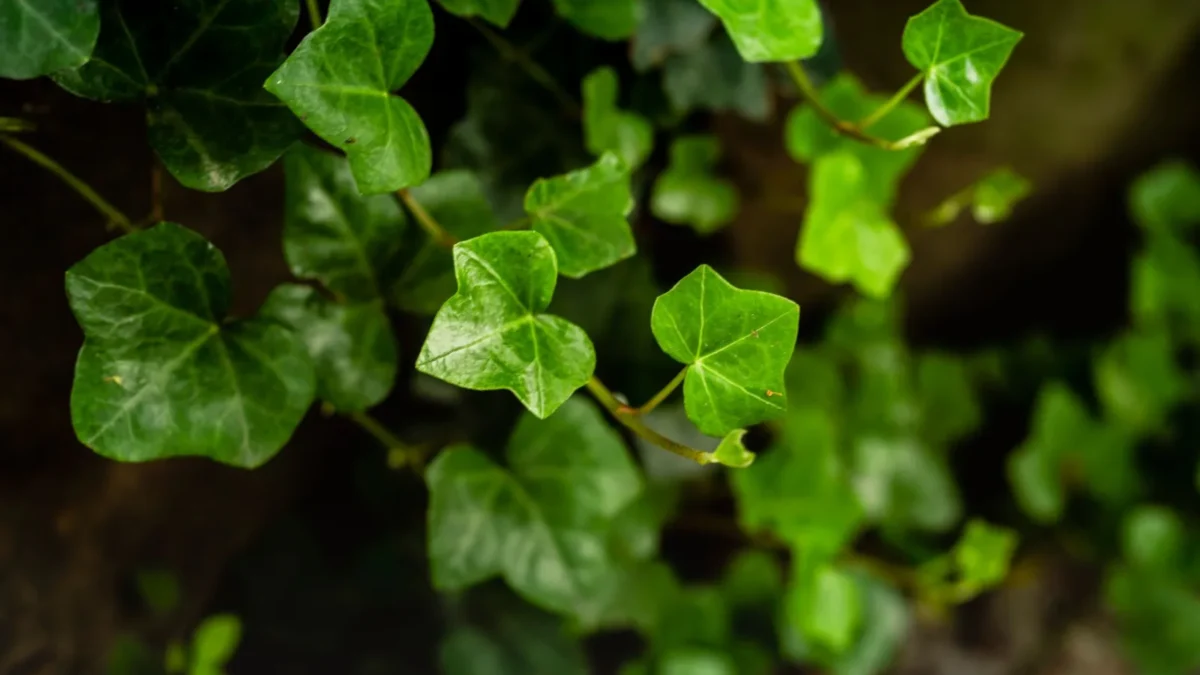
English ivy care is straightforward once you understand its core needs: bright, indirect light, consistent moisture without waterlogging, and moderate-to-high humidity. This vigorous, fast-growing evergreen thrives indoors when given the right conditions, making it an excellent choice for both beginners and experienced plant enthusiasts. This guide covers everything you need to know to keep your English ivy healthy, vibrant, and thriving year-round.
| Botanical name | Hedera helix |
|---|---|
| Light | Bright indirect light; 1,000–2,500 foot-candles; 3–5 feet from east/west window |
| Watering | Water when top 1–2 inches of soil feel dry; typically every 7–10 days indoors |
| Humidity | 50–70% relative humidity; essential to prevent spider mites |
| Temperature | 60–75°F (16–24°C); avoid below 50°F consistently |
| Soil | Quick-draining potting soil; pH 6.0–7.8; well-aerated, humus-rich mix |
| Feeding | Monthly during spring, summer, and fall with high-nitrogen water-soluble fertilizer |
| Size | Highly variable; up to 80 feet tall and 50 feet spread outdoors; compact indoors |
| Difficulty | easy |
| Cats | ⚠️ toxic — Triterpenoid saponins cause vomiting, abdominal pain, hypersalivation, diarrhea |
| Dogs | ⚠️ toxic — Triterpenoid saponins cause vomiting, abdominal pain, hypersalivation, diarrhea |
Key points
- Place your ivy 3–5 feet from an east or west window for ideal bright, indirect light; it tolerates lower light but reacts poorly to direct sun
- Water when the top 1–2 inches of soil feel dry—typically every 7–10 days indoors; overwatering is the #1 cause of decline
- Maintain 50–70% humidity to prevent spider mite infestations, which are especially severe on this plant
- Use quick-draining potting soil with a pH of 6.0–7.8 and repot every 1–2 years as the plant grows
- English ivy is toxic to dogs and cats—keep it out of reach of pets
Light Requirements for English Ivy
English ivy grows best in bright, indirect light ranging from 1,000–2,500 foot-candles. Position your plant 3–5 feet from an unobstructed east- or west-facing window, or 2–4 feet back from a shaded south window for optimal growth. Variegated varieties can tolerate slightly lower light, while solid-green ivy generally prefers brighter conditions.
Although English ivy can tolerate lower light levels, it reacts poorly to strong direct sun. Direct sunlight heats the leaf surface and damages cells, leading to dry, brown patches that feel crispy. If you notice brown, crispy patches on the leaves, move the plant further back from the window or filter the light with a sheer curtain.
Watering Your English Ivy
Water English ivy when the top 1–2 inches of soil feel dry to the touch. Indoors, this typically means watering every 7–10 days, though the exact frequency depends on light, temperature, and pot size. In warmer conditions or smaller pots, you may need to water as often as every 5 days; in cool, dim winter locations, stretching to 10–14 days is normal.
Overwatering is the #1 cause of decline in English ivy, leading to yellowing leaves, mushy stems, and fatal root rot. Waterlogged soil rots the plant’s fine roots quickly, causing it to drop leaves as it sheds the load it can no longer support. To prevent this, allow the soil to partly dry out between waterings and improve drainage if needed.
Underwatering causes crispy brown leaf tips as the plant dries out. Check the soil daily and water thoroughly at the first sign of dryness near the surface.
Humidity and Temperature
Humidity
English ivy thrives with 50–70% relative humidity. High humidity is absolutely essential to prevent the severe spider mite infestations this plant is especially prone to. Once humidity falls below about 40%, the leaves lose water faster than the roots can absorb it, causing brown, crispy edges that spread over time.
To raise humidity indoors, use a humidifier, mist the foliage regularly, or place the pot on a pebble tray filled with water (keeping the pot base above the waterline). Grouping plants together also helps create a more humid microenvironment.
Avoid placing your ivy near heaters, radiators, air conditioners, or strong drafts, as constant airflow dries out the leaves quickly.
Temperature
English ivy tolerates average household temperatures of 60–75°F (16–24°C). Temperatures consistently below 50°F can cause stunted growth or leaf drop. Keep your plant away from cold windows in winter and protect it from sudden temperature fluctuations.
Soil and Repotting
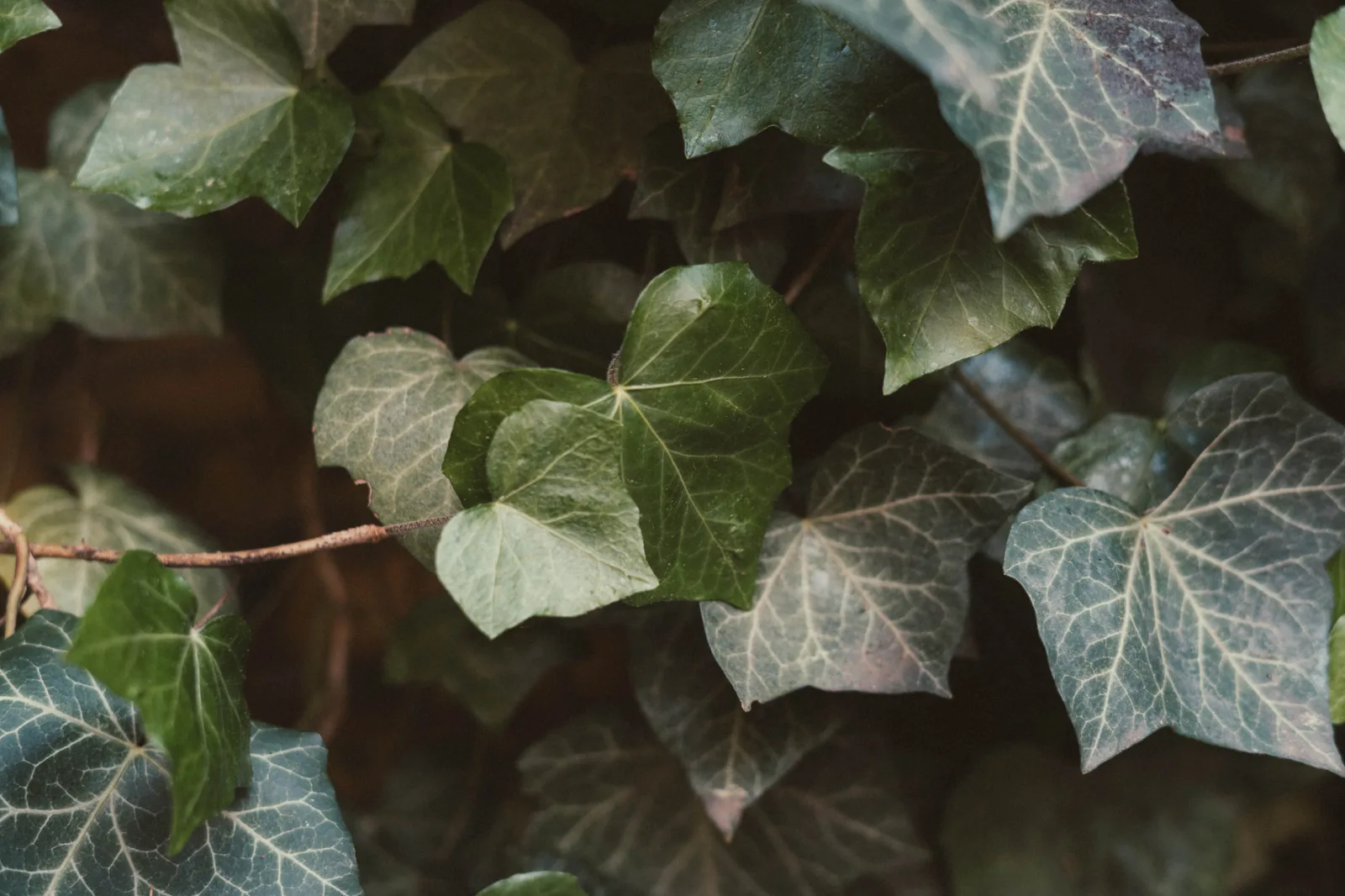
Indoor ivy must be planted in quick-draining potting soil specifically made for houseplants. English ivy prefers well-draining soil with a pH range of 6.0–7.8, and the mix should be well-aerated and humus-rich rather than dense peat or garden soil. Drainage is non-negotiable: always use pots with functioning drainage holes.
English ivy is a vigorous grower and will likely need repotting every 1–2 years. You will know it is time when roots begin circling the bottom of the pot or growing out of the drainage holes. When repotting, only increase the pot size by 1–2 inches in diameter. A pot that is too large will hold excess wet soil, leading to root rot.
Feeding Your English Ivy
Fertilize your ivy about once a month during spring, summer, and fall with a high-nitrogen water-soluble fertilizer. This supports vigorous foliage growth and keeps the plant nutrient-rich. Do not fertilize during winter, when growth slows naturally.
Pruning and Training
English ivy is highly vigorous and fast-growing, so pruning helps maintain its shape and prevent it from becoming unruly. Trim stems back to encourage bushier growth, or pinch out the tips regularly to maintain a compact form. If your ivy is trailing as a ground cover, it rarely needs pruning except when it invades unintended areas—trim the edges with a spade or shears as needed.
You can also train English ivy to climb a moss pole or trellis by gently securing the stems as they grow. The plant will naturally root along nodes where stems touch soil or moss.
Propagation Methods
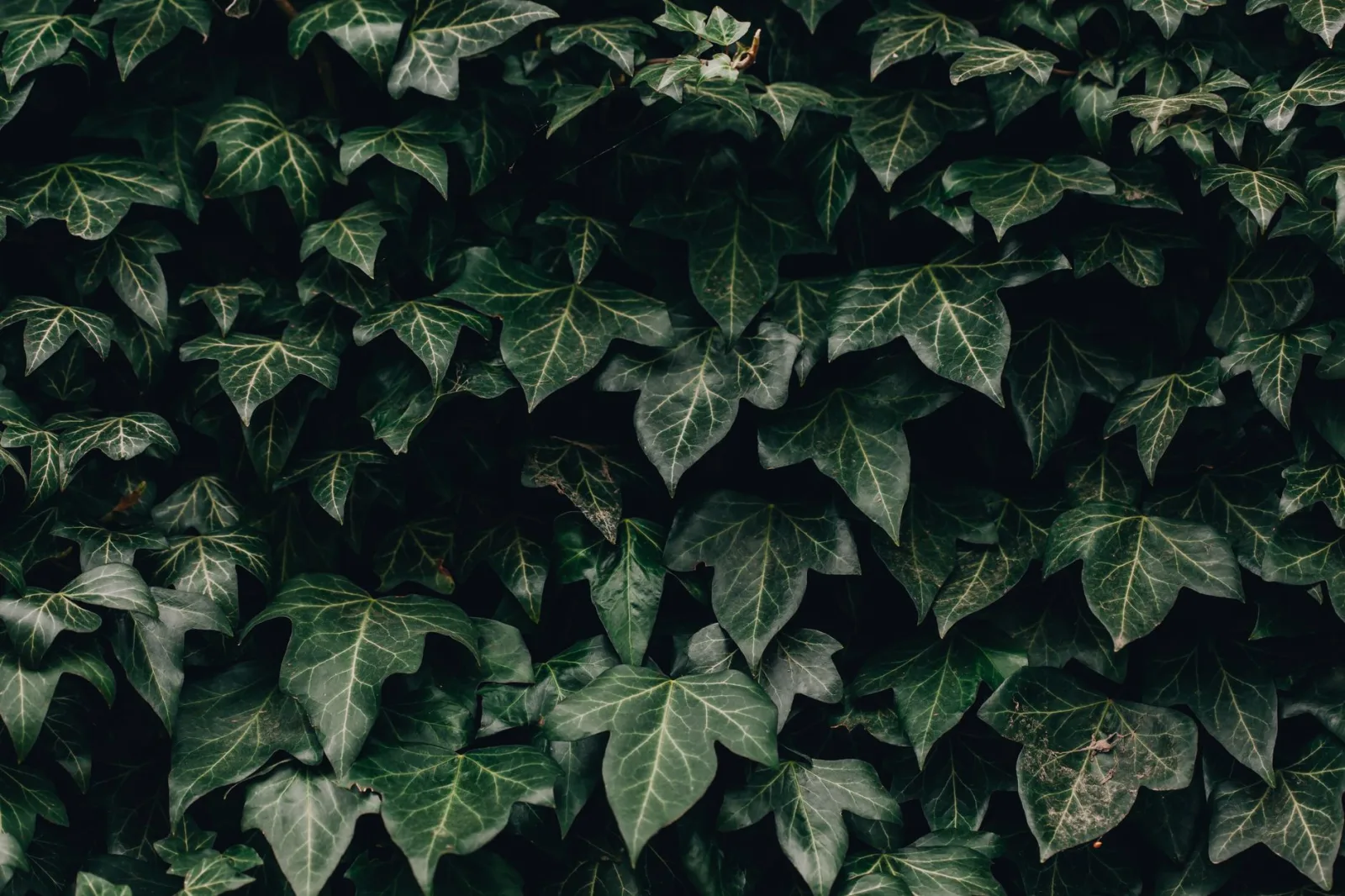
English ivy propagates easily from stem cuttings, either in water or soil.
Water Propagation
- Cut a 4–6 inch healthy vine section just below a leaf node.
- Strip the lower pair of leaves.
- Drop the cutting in a clear glass jar with enough room-temperature water to cover the lower node by at least 0.75 inches (2 cm), leaving the upper leaves above the waterline.
- Roots typically appear within 3–4 weeks under bright, indirect light.
Soil Propagation
- Take 4–6 inch cuttings with at least 3–4 leaf nodes.
- Plant the cuttings in moist potting mix, burying at least one node below the soil surface.
- Roots develop within 2–4 weeks under bright, indirect light.
Soil propagation develops stronger root systems that are less prone to transplant shock than water-rooted cuttings.
Common Problems and Solutions
Brown, Crispy Leaf Edges
Low humidity below 40% causes the leaves to lose water faster than the roots can absorb it, resulting in brown, crispy edges. Raise humidity using a humidifier or pebble tray, and mist the foliage regularly. Move the plant away from heaters, radiators, and drafts.
Yellowing Leaves and Leaf Drop
Overwatering is the most common cause of yellowing leaves and leaf drop in English ivy. If leaves are yellowing alongside wet soil and a mushy base, reduce watering frequency and ensure the pot has drainage holes. Allow soil to partly dry between waterings. Check the roots—if they are black or mushy, unpot the plant and trim the affected roots with sterilized scissors before repotting in fresh, dry soil.
Brown Patches from Direct Sun
Direct sunlight damages leaf cells, creating dry, brown patches that feel crispy. Move your ivy away from strong direct sun and position it where it receives bright, indirect light instead. A spot 3–5 feet from an east or west window is ideal.
Underwatering and Brown Leaf Tips
Underwatering causes crispy brown leaf tips as the plant dries out. Check the soil daily and water thoroughly at the first sign of dryness near the surface.
Spider Mites
Spider mites are the number one killer of indoor ivy and look like tiny dust particles on the undersides of leaves, spinning fine silk-like webbing. English ivy is highly susceptible to spider mites when humidity drops below 40%, especially in heated indoor environments during winter where dry air accelerates mite reproduction.
If infested, immediately isolate the plant and spray all foliage with a strong stream of water to dislodge mites and webbing. Apply neem oil or insecticidal soap weekly for 3–4 weeks. Raise ambient humidity above 50% using a humidifier or pebble tray.
Root Rot
Thin ivy roots rot quickly in dense, waterlogged soil, especially after transplant shock. Mushy black roots prevent water uptake, leading to limp, drying leaves despite wet soil. Unpot the plant and inspect the roots. Trim all black or mushy tissue with sterilized scissors and repot in fresh, quick-draining soil.
Dying Ivy
Ivy decline is caused by a water imbalance (usually overwatering), low humidity, incorrect light levels, spider mites, or a root-bound pot—often a combination of factors. If the stems are still green and flexible when you scratch the surface, the plant can recover. Trim off all dead foliage, address the underlying problem (usually underwatering or low humidity), and give the plant time to regrow.
FAQ
Is English ivy toxic to pets?
Yes, English ivy is toxic to both dogs and cats. It contains triterpenoid saponins that cause vomiting, abdominal pain, hypersalivation, and diarrhea. The foliage is more toxic than the berries. Keep the plant out of reach of pets and call the ASPCA Poison Control at (888) 426-4435 immediately if your pet ingests any part of the plant.
How often should I water English ivy?
Water when the top 1–2 inches of soil feel dry, typically every 7–10 days indoors. In summer, you may need to water every 5–7 days; in winter, every 10–14 days is normal. Overwatering causes root rot, so allow the soil to partly dry between waterings.
What light does English ivy need?
English ivy requires bright, indirect light—ideally 1,000–2,500 foot-candles, equivalent to a spot 3–5 feet from an east or west window. It can tolerate lower light but reacts poorly to direct sun, which causes brown, crispy patches on the leaves.
How do I prevent spider mites?
Spider mites thrive in dry air, so maintaining 50–70% humidity is essential to prevent infestations. Use a humidifier, pebble tray, or mist regularly to keep humidity above 40%. Isolate any infested plants and treat them immediately with neem oil or insecticidal soap.
When should I repot my English ivy?
Repot your ivy every 1–2 years when roots begin circling the bottom of the pot or growing out of drainage holes. Only increase the pot size by 1–2 inches in diameter, as too large a pot holds excess wet soil and leads to root rot.
Can I propagate English ivy from cuttings?
Yes, English ivy propagates easily from 4–6 inch stem cuttings. Root in water (first roots appear in 3–4 weeks) or in moist soil for stronger root development. Both methods typically produce roots within 2–4 weeks under bright, indirect light.