English Ivy Hedera helix
Is English Ivy Toxic to Cats and Dogs?
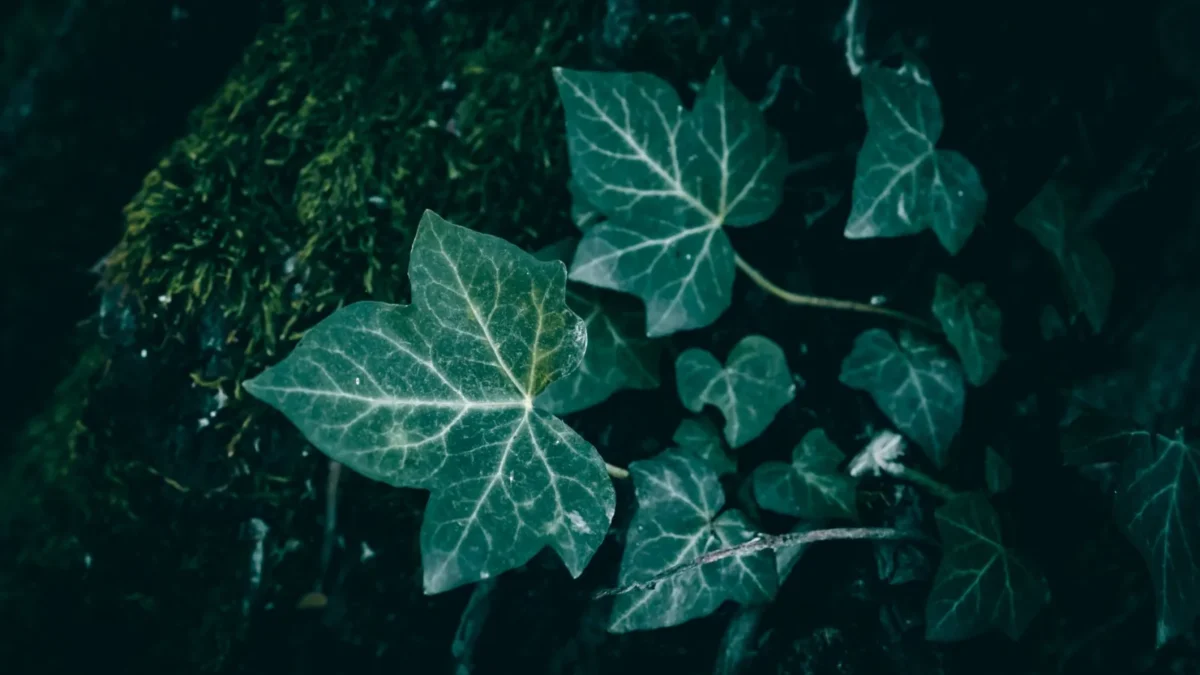
Quick answer: Yes, English ivy is toxic to both cats and dogs. The foliage is particularly dangerous. If your pet chews on it, watch for vomiting, abdominal pain, hypersalivation, and diarrhea.
| Botanical name | Hedera helix |
|---|---|
| Light | Bright indirect light; 1,000–2,500 foot-candles; 3–5 feet from east/west window |
| Watering | Water when top 1–2 inches of soil feel dry; typically every 7–10 days indoors |
| Humidity | 50–70% relative humidity; essential to prevent spider mites |
| Temperature | 60–75°F (16–24°C); avoid below 50°F consistently |
| Soil | Quick-draining potting soil; pH 6.0–7.8; well-aerated, humus-rich mix |
| Feeding | Monthly during spring, summer, and fall with high-nitrogen water-soluble fertilizer |
| Size | Highly variable; up to 80 feet tall and 50 feet spread outdoors; compact indoors |
| Difficulty | easy |
| Cats | ⚠️ toxic — Triterpenoid saponins cause vomiting, abdominal pain, hypersalivation, diarrhea |
| Dogs | ⚠️ toxic — Triterpenoid saponins cause vomiting, abdominal pain, hypersalivation, diarrhea |
What makes English ivy toxic to pets
English ivy contains triterpenoid saponins that are poisonous to both cats and dogs. The leaves pose a greater risk than the berries, so a pet chewing on the vine or foliage is more likely to ingest a harmful amount. Even a small amount can trigger symptoms, particularly in smaller animals.
Symptoms to watch for
If your cat or dog has chewed on English ivy, monitor them closely for:
- Vomiting
- Abdominal pain
- Hypersalivation (excessive drooling)
- Diarrhea
These signs may appear within a few hours of ingestion.
What to do if your pet ingests English ivy
If you suspect your pet has eaten any part of your English ivy plant, contact your veterinarian or the ASPCA Animal Poison Control Centre immediately at (888) 426-4435. Do not wait for symptoms to appear—early treatment gives your pet the best chance of a swift recovery.
Keep your English ivy completely out of reach of cats and dogs. Place it on a high shelf, in a hanging basket, or in a room your pets cannot access. If you have curious cats or determined dogs, consider choosing a non-toxic houseplant instead.
Read the full guide: English Ivy Care: The Complete Guide
More about English Ivy
The same problem in other plants
- Is Ponytail Palm Toxic to Cats and Dogs?
- Is Areca Palm Toxic to Cats and Dogs?
- Is Parlor Palm Toxic to Cats, Dogs, and Other Pets?
- Is Dieffenbachia Toxic to Cats and Dogs?
Sources
Photo: Wyxina Tresse / Pexels, Pexels