English Ivy Hedera helix
Why Is My English Ivy Dying? Diagnose and Revive Your Plant
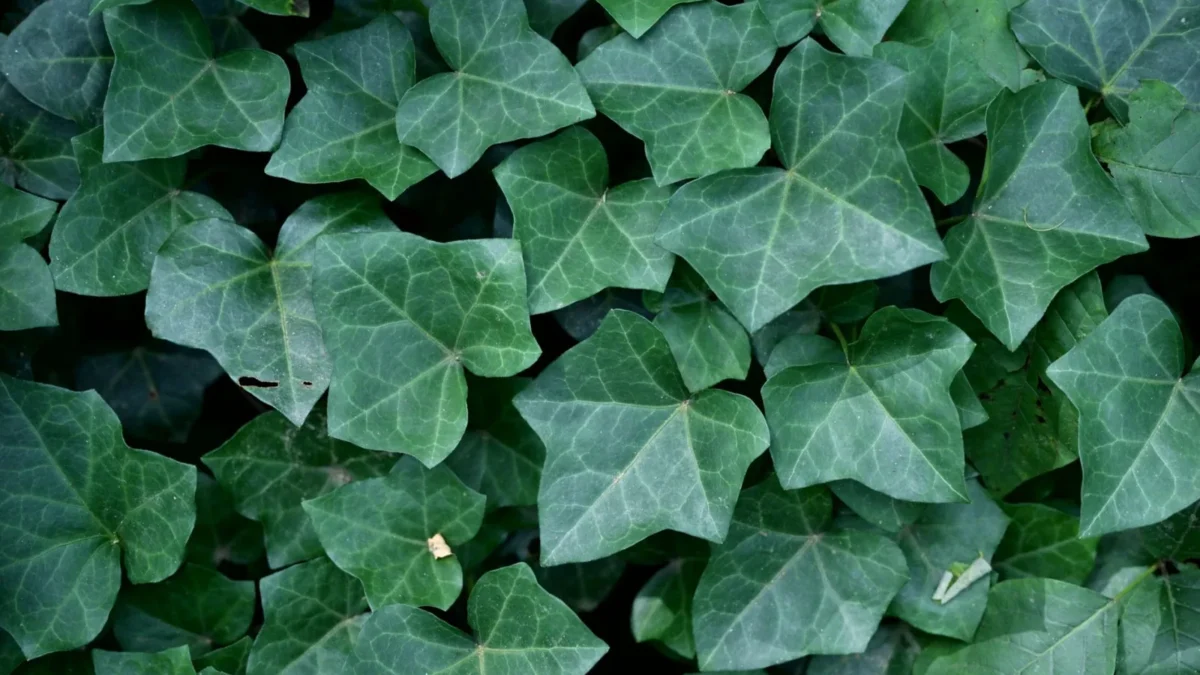
Quick answer: Your English ivy is most likely dying from overwatering (the #1 killer), low humidity, spider mites, or a combination of these. Check the soil moisture, inspect the undersides of leaves for webbing, and move the plant away from heaters and drafts. If the stems are still green and flexible, recovery is possible.
| Botanical name | Hedera helix |
|---|---|
| Light | Bright indirect light; 1,000–2,500 foot-candles; 3–5 feet from east/west window |
| Watering | Water when top 1–2 inches of soil feel dry; typically every 7–10 days indoors |
| Humidity | 50–70% relative humidity; essential to prevent spider mites |
| Temperature | 60–75°F (16–24°C); avoid below 50°F consistently |
| Soil | Quick-draining potting soil; pH 6.0–7.8; well-aerated, humus-rich mix |
| Feeding | Monthly during spring, summer, and fall with high-nitrogen water-soluble fertilizer |
| Size | Highly variable; up to 80 feet tall and 50 feet spread outdoors; compact indoors |
| Difficulty | easy |
| Cats | ⚠️ toxic — Triterpenoid saponins cause vomiting, abdominal pain, hypersalivation, diarrhea |
| Dogs | ⚠️ toxic — Triterpenoid saponins cause vomiting, abdominal pain, hypersalivation, diarrhea |
Diagnose the exact problem
English ivy dying usually comes down to one or more of these factors:
Overwatering and root rot are the most common culprits. If the soil feels wet when you press your finger into it, and leaves are yellowing or stems feel mushy, stop watering immediately. Root rot happens quickly in soggy soil, especially after you first bring the plant home.
Low humidity is the second major issue. When humidity drops below 40%, the leaf edges turn brown and crispy as the plant loses water faster than the roots can replace it. Your English ivy needs humidity between 50–70% to thrive. Winter heating indoors is a particular problem.
Spider mites are the number one pest killer of indoor ivy. They look like tiny dust particles on the undersides of leaves and leave fine webbing. They explode in winter when heated air dries out the plant—mites reproduce every 3–5 days in those conditions. If you see stippling damage or browning on leaves, isolation and treatment are urgent.
Wrong light or temperature matters less often, but strong direct sun burns leaves into dry, brown patches. Cold drafts and temps consistently below 50°F stunt growth and cause leaf drop.
How to save your English ivy
-
Check the soil. Unplug the pot and look at the roots. If they are black or mushy, trim all dead tissue with sterilized scissors and repot into fresh, quick-draining potting soil.
-
Fix watering. Water only when the top 1–2 inches of soil feel dry to the touch. Indoors, this is typically every 7–10 days—fewer days in summer, more in winter. Use pots with drainage holes and never let soil sit waterlogged.
-
Raise humidity immediately. Place the pot on a pebble tray with water, use a humidifier, or mist regularly to reach 50–70%. This alone will stop brown leaf edges and prevent spider mites.
-
Treat spider mites if present. Isolate the plant at once. Spray all foliage with a strong stream of water to dislodge mites and webbing. Apply neem oil or insecticidal soap weekly for 3–4 weeks. Raise humidity above 50% as you treat.
-
Move it away from heat sources. Keep your English ivy away from radiators, heaters, air conditioners, and strong drafts—these dry leaves out fast.
-
Trim dead foliage. If the stems are still green and flexible when you scratch them, cut off all brown or dead leaves and give the plant time to recover. Remove and throw away affected leaves to prevent disease spread.
FAQ
Can I propagate a dying English ivy to start fresh?
Yes. Cut a 4–6 inch stem with 4–5 leaves, strip the lower pair, and root it in water or moist soil. Roots appear in 3–4 weeks. Soil propagation produces stronger roots less prone to transplant shock than water alone. This is a great way to save genetics from a struggling plant.
What light does English ivy need?
Place it 3–5 feet from an east- or west-facing window, or 2–4 feet back from a shaded south window, aiming for 1,000–2,500 foot-candles of bright, indirect light. Avoid direct sun, which burns leaves brown and crispy.
Read the full guide: English Ivy Care: The Complete Guide