English Ivy Hedera helix
How Often to Water English Ivy: A Complete Indoor Care Guide
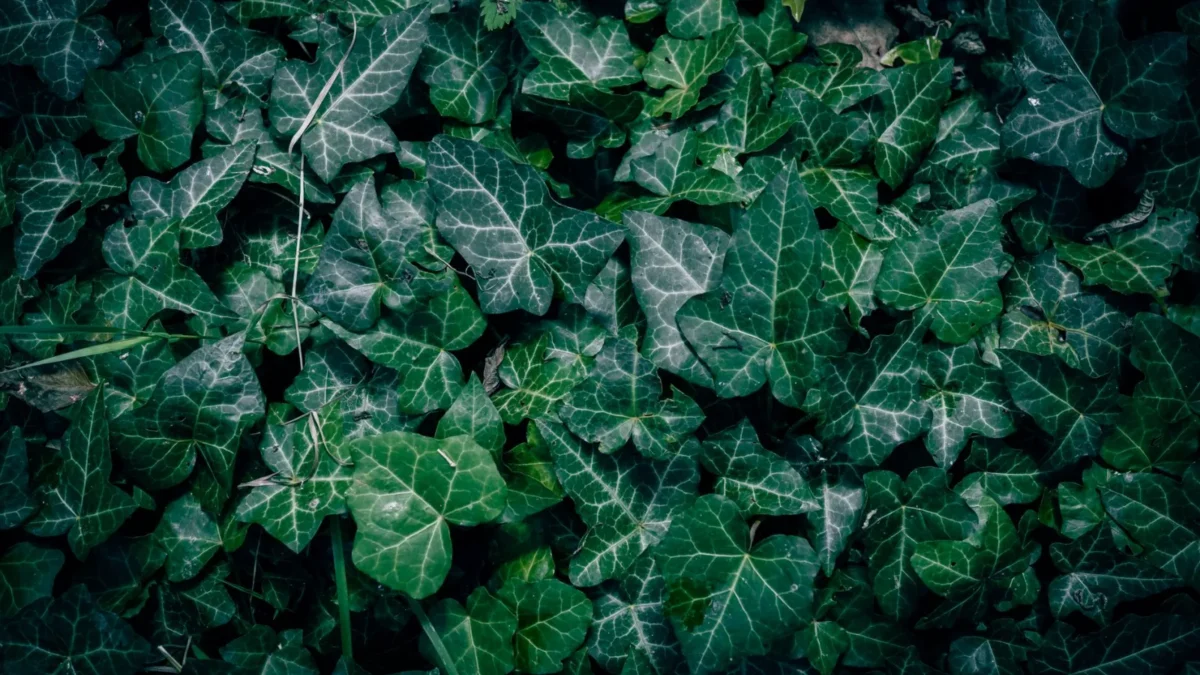
Quick answer: How often? Water English ivy every 7–10 days indoors, or every 5–7 days in warm, sunny, or windy conditions, checking that the top 1–2 inches of soil feel dry to the touch before watering. Seasonal changes mean adjusting your schedule in summer and winter.
| Botanical name | Hedera helix |
|---|---|
| Light | Bright indirect light; 1,000–2,500 foot-candles; 3–5 feet from east/west window |
| Watering | Water when top 1–2 inches of soil feel dry; typically every 7–10 days indoors |
| Humidity | 50–70% relative humidity; essential to prevent spider mites |
| Temperature | 60–75°F (16–24°C); avoid below 50°F consistently |
| Soil | Quick-draining potting soil; pH 6.0–7.8; well-aerated, humus-rich mix |
| Feeding | Monthly during spring, summer, and fall with high-nitrogen water-soluble fertilizer |
| Size | Highly variable; up to 80 feet tall and 50 feet spread outdoors; compact indoors |
| Difficulty | easy |
| Cats | ⚠️ toxic — Triterpenoid saponins cause vomiting, abdominal pain, hypersalivation, diarrhea |
| Dogs | ⚠️ toxic — Triterpenoid saponins cause vomiting, abdominal pain, hypersalivation, diarrhea |
The Basic Watering Schedule for English Ivy
How often to water English ivy depends on your light, temperature, and pot size rather than a fixed calendar date. The golden rule is simple: water when the top 1–2 inches of soil feel dry. Check daily and water thoroughly at the first sign of dryness near the surface.
Indoors under standard conditions, this typically means watering every 7–10 days. However, in warm, bright spaces with small pots, you may need to water every 5–7 days. The plant is forgiving once you understand that watering to a schedule, rather than to the soil’s moisture, is the quickest path to problems.
Seasonal Adjustments: Summer and Winter
English ivy’s water needs shift with the seasons. In summer, when warmth accelerates evaporation, water every 5–10 days whenever the top inch of soil has dried. Your plant is growing fast and actively using water.
In winter, growth slows and cooler indoor temperatures mean soil dries more slowly. Stretch your watering to every 10–14 days. Even though the plant needs less, do not let the soil become bone-dry; it still needs consistent, gentle moisture.
Why Overwatering Is the #1 Problem
Overwatering is the leading cause of decline in English ivy, leading to yellowing leaves, mushy stems, and fatal root rot. The plant’s fine roots rot quickly in waterlogged soil, and once they turn black and mushy, they cannot absorb water, leaving the plant limp and drying despite wet soil around the roots.
The solution is to use pots with drainage holes and well-draining potting soil—not garden soil or dense mixes. Allow the soil to partly dry out before watering again. If your plant shows yellowing leaves and the soil feels wet, stop watering immediately and repot into fresh, dry soil if root rot has begun.
Underwatering causes crispy brown leaf tips as the plant dries out, but this is easier to recover from than root rot. If the stems are still green and flexible when you scratch the surface, the plant can recover with consistent, proper watering.
FAQ
Should I mist English ivy instead of watering the soil?
No—misting does not replace watering. English ivy needs consistent soil moisture and humidity of 50–70%. Misting helps prevent spider mites, but the plant’s roots need regular water from the pot’s base.
What if the soil dries out too fast?
If soil dries in fewer than 5 days, the pot may be too small, the light too bright, or the room too warm. Bright light, warmth, and small pots push watering toward every 5 days. Move it slightly farther from the light source, or repot into a container one to two inches larger in diameter.
How do I know if my English ivy is getting the right amount of water?
Healthy ivy has green, firm stems and no yellowing or brown, mushy tissue. The soil should feel lightly moist an inch down, never soggy or completely dry. If leaves drop alongside yellowing and the soil feels wet, overwatering is the culprit.
Read the full guide: English Ivy Care: The Complete Guide
More about English Ivy
The same problem in other plants
- How Often Should You Water a Christmas Cactus?
- How Often to Water Your Ponytail Palm: Complete Watering Guide
- How Often Should You Water a Parlor Palm?
- How Often Should You Water Dieffenbachia?
Sources
- English Ivy Watering: When, How Much, and What to Avoid
- Why is My English Ivy Turning Brown? Troubleshooting Tips for Healthy Plants
- English Ivy Indoor Guide: Fix Spider Mites & Watering Tips
Photo: Wyxina Tresse / Pexels, Pexels