English Ivy Hedera helix
How to Propagate English Ivy: Step-by-Step Methods
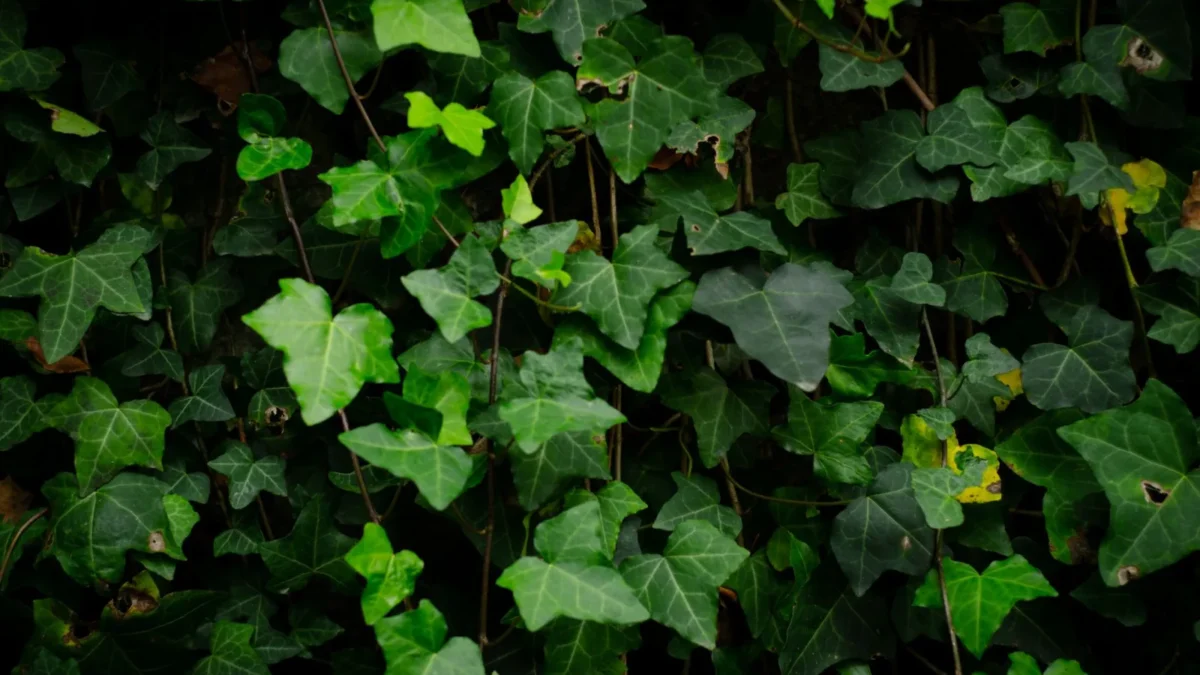
Quick answer: English ivy propagates easily from 4–6 inch stem cuttings in water or soil, producing roots within 2 to 4 weeks under bright, indirect light. You can also layer outdoor stems to root where they touch the ground.
| Botanical name | Hedera helix |
|---|---|
| Light | Bright indirect light; 1,000–2,500 foot-candles; 3–5 feet from east/west window |
| Watering | Water when top 1–2 inches of soil feel dry; typically every 7–10 days indoors |
| Humidity | 50–70% relative humidity; essential to prevent spider mites |
| Temperature | 60–75°F (16–24°C); avoid below 50°F consistently |
| Soil | Quick-draining potting soil; pH 6.0–7.8; well-aerated, humus-rich mix |
| Feeding | Monthly during spring, summer, and fall with high-nitrogen water-soluble fertilizer |
| Size | Highly variable; up to 80 feet tall and 50 feet spread outdoors; compact indoors |
| Difficulty | easy |
| Cats | ⚠️ toxic — Triterpenoid saponins cause vomiting, abdominal pain, hypersalivation, diarrhea |
| Dogs | ⚠️ toxic — Triterpenoid saponins cause vomiting, abdominal pain, hypersalivation, diarrhea |
Three Ways to Propagate English Ivy
English ivy is a vigorous, fast-growing plant that roots readily from cuttings, making it an ideal candidate for beginners. The best method depends on whether you want faster initial results (water) or stronger, transplant-ready plants (soil).
How to Propagate English Ivy in Water
Water propagation is the fastest way to see results and watch roots develop.
- Cut a 4–6 inch stem section just below a leaf node, keeping at least 3–4 leaf nodes on the cutting.
- Strip the lower pair of leaves to expose the nodes that will root.
- Drop the cutting into a clear glass jar with room-temperature water, submerging the lower node by at least 2 cm (0.75 inch). Leave the upper leaves above the waterline.
- Place the jar in bright, indirect light.
- Change the water every 3–4 days to prevent bacterial growth.
- Roots will appear within 2 to 4 weeks.
- Once roots are 1 inch long, pot the cutting into moist, quick-draining potting soil.
Keep newly potted cuttings in high humidity (50–70%) for the first week to prevent transplant shock.
How to Propagate English Ivy in Soil
Soil propagation develops stronger root systems that are less prone to transplant shock.
- Prepare a pot with quick-draining potting soil mixed for houseplants.
- Take a 4–6 inch cutting just below a leaf node with at least 3–4 leaf nodes intact.
- Remove the lower leaves and insert the exposed node into moist soil.
- Firm the soil gently around the cutting.
- Place the pot in bright, indirect light at 60–75°F (16–24°C).
- Keep soil consistently moist (not waterlogged) for the first 2–4 weeks.
- Roots will develop within 2 to 4 weeks.
Propagating English Ivy from Outdoor Stems
If you have access to outdoor ivy, you can use a natural layering technique. Spreading stems will root at the nodes where they touch the soil. Simply pin a healthy stem section to the ground with a small peg or rock, keep the soil moist, and roots will form at the contact point within a few weeks. Once established, sever the rooted section from the parent plant.
What to Expect During Propagation
Roots typically appear within 3–4 weeks. During this time, keep cuttings in bright, indirect light—1,000–2,500 foot-candles, equivalent to a spot 3–5 feet from an east- or west-facing window. Maintain 50–70% humidity to prevent leaf loss and support root development.
Once roots are established, move new plants into standard care conditions: water when the top 1–2 inches of soil feel dry, typically every 7–10 days indoors.
Common Mistakes When Propagating English Ivy
The biggest error is keeping soil or water too warm or waterlogged. Overwatering is the #1 cause of decline in English ivy, leading to yellowing leaves, mushy stems, and fatal root rot. Change water every few days if propagating in water, and never let soil stay soggy.
Another mistake is placing cuttings in low light. English ivy requires bright, indirect light, not low light. Without adequate light, roots develop slowly or not at all.
Finally, transplanting too early can cause shock. Wait until roots are at least 1 inch long before moving water-rooted cuttings to soil.
Important: English ivy is toxic to dogs and cats. Keep all cuttings and new plants away from pets, as the foliage is especially toxic.
Read the full guide: English Ivy Care: The Complete Guide
More about English Ivy
The same problem in other plants
- How to Propagate Ponytail Palm: Step-by-Step Methods
- How to Propagate Areca Palm: Methods That Work
- How to Propagate Parlor Palm: Step-by-Step Guide
- How to Propagate Dieffenbachia in Water and Soil
Sources
- English Ivy Indoor Plant Care: A Complete, Science … – LifeTips
- Hedera helix – Plant Finder
- English Ivy Watering: When, How Much, and What to Avoid
Photo: Pedro Oliveira / Pexels, Pexels