Ficus Audrey Ficus benghalensis
Why Are My Ficus Audrey Leaves Turning Yellow?
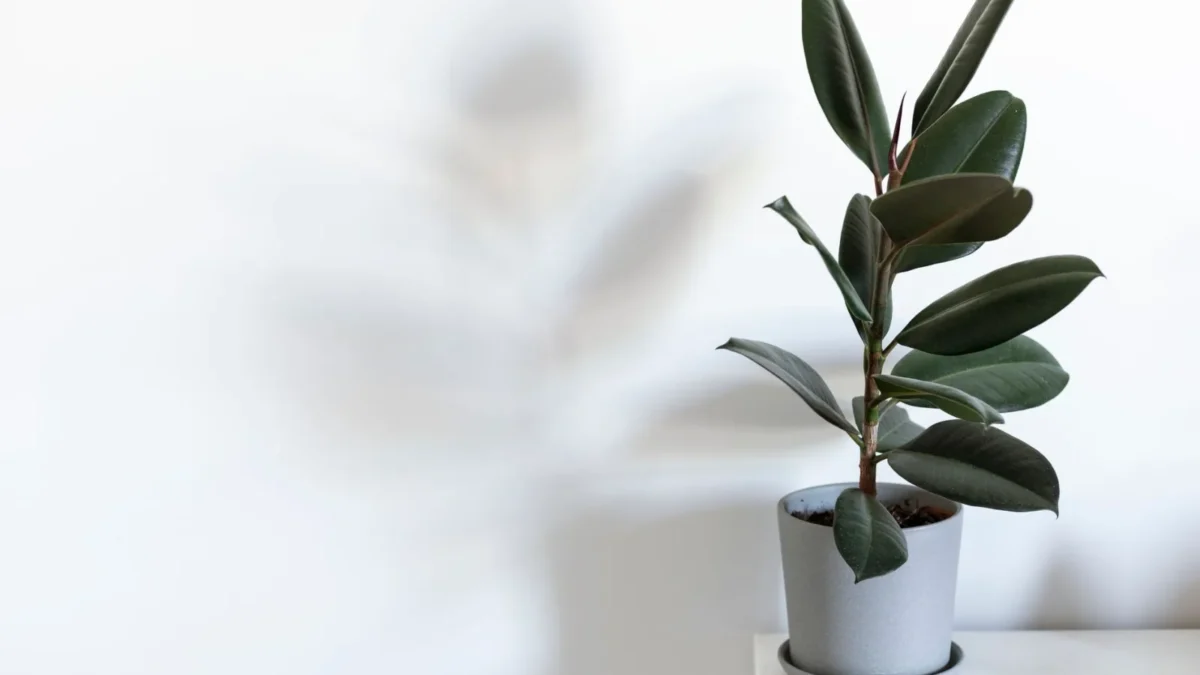
Quick answer: Yellow leaves on your Ficus Audrey usually mean overwatering, poor drainage, or insufficient light. Check the soil moisture, drainage holes, and your plant’s position—then adjust accordingly.
| Botanical name | Ficus benghalensis |
|---|---|
| Light | bright indirect light; tolerates gentle morning direct sun; near south- or east-facing window |
| Watering | water when top 1-2 inches of soil dries out; every 7-10 days typically |
| Humidity | 50-80%; 60% ideal; prefers moderate to high humidity |
| Temperature | 65-80°F (15-27°C); avoid cold drafts and sudden temperature changes |
| Soil | peat-free loam-based compost with perlite and bark chippings; well-draining |
| Feeding | balanced fertilizer monthly in spring and summer; high-nitrogen for leafy growth |
| Size | 5-10 feet indoors when properly cared for |
| Difficulty | easy |
| What you see | Likely cause | What to do |
|---|---|---|
| Lower leaves yellow first; soil stays wet 4+ days; soft, limp leaves | Overwatering or poor drainage | Stop watering and let soil dry completely over 1–2 weeks. Repot into fresh, well-draining soil with perlite and bark. |
| Yellowing all over; leaves curl inward; stunted growth | Underwatering | Water immediately. Water thoroughly once the top 1–2 inches of soil dries out. |
| Yellowing lower leaves only; rest looks healthy | Natural aging | This is normal. Older leaves shed to feed new growth—no action needed. |
| Yellow leaves in dim corners; slow growth; leggy stems | Low light | Move your plant to bright indirect light (500+ foot-candles). A south- or east-facing window works well. |
| Yellowing with crispy, brown tips; winter months | Low humidity | Increase humidity to 50–80%, ideally 60%. Mist daily or use a humidifier. |
| Yellow leaves near cold windows or vents | Temperature stress | Keep the plant away from cold drafts and maintain temperatures between 65–80°F. Move it away from windows and heating vents. |
Understanding the most common cause: overwatering
Overwatering is the leading cause of yellow Ficus Audrey leaves. When leaves turn yellow from overwatering, they often feel soft and limp rather than dry or crispy. Without enough oxygen, roots start to rot and cannot absorb nutrients, causing the yellowing.
The problem usually stems from either watering too frequently or using a pot without drainage holes. Water only when the top 1–2 inches of soil dries out—typically every 7–10 days, depending on your home’s temperature and humidity.
Dark-brown or black spots on overwatered leaves indicate poor soil drainage. Always use a pot with drainage holes and peat-free, loam-based compost with added bark chippings for best results.
How to fix underwatering and low light
If your plant receives too little water, leaves brown and drop slowly all over the plant at once. Water immediately if underwatering is the problem.
Insufficient light also triggers yellowing. Below 500 foot-candles of bright light, lower leaves yellow as the plant cannibalizes them for energy. Inadequate light causes yellowing, leggy growth, and slow development. Position your Ficus Audrey near a south- or east-facing window where it receives consistent bright, indirect light throughout the day.
Humidity and temperature stress
Keep humidity between 50–80%, with 60% being ideal. Low humidity can cause browning tips with yellow halos on new leaves. While this won’t kill your plant, increasing local moisture prevents the symptom in fresh growth.
Protect your plant from cold drafts or sudden temperature changes. Maintain temperatures between 65–80°F. Cold draughts from windows and doors cause leaves to dry out and brown, beginning at the tips.
Prevention
The key to avoiding yellow leaves is consistency. Ficus Audrey prefers soil that is consistently moist but not soggy, with small drought periods between waterings. Water regularly during spring and summer, and reduce frequency in winter. Ensure bright indirect light, maintain humidity above 50%, and keep your plant in a stable, warm location away from drafts and heating vents.
Read the full guide: Ficus Audrey Care: The Complete Guide
More about Ficus Audrey
The same problem in other plants
- Why Are My Caladium Leaves Turning Yellow?
- Why Are My Ti Plant Leaves Turning Yellow?
- Why Are My Staghorn Fern Leaves Turning Yellow?
- Why Are My Philodendron Micans Leaves Turning Red?
Sources
- Ficus Benghalensis Plant Care Guide
- Why Does My Ficus Have Brown Leaves
- Ficus Audrey Yellow Leaves: Causes & Exact Fixes
Photo: Justyna Grochowska / Pexels, Pexels