Alocasia Alocasia
How Often to Water Alocasia: The Complete Watering Schedule
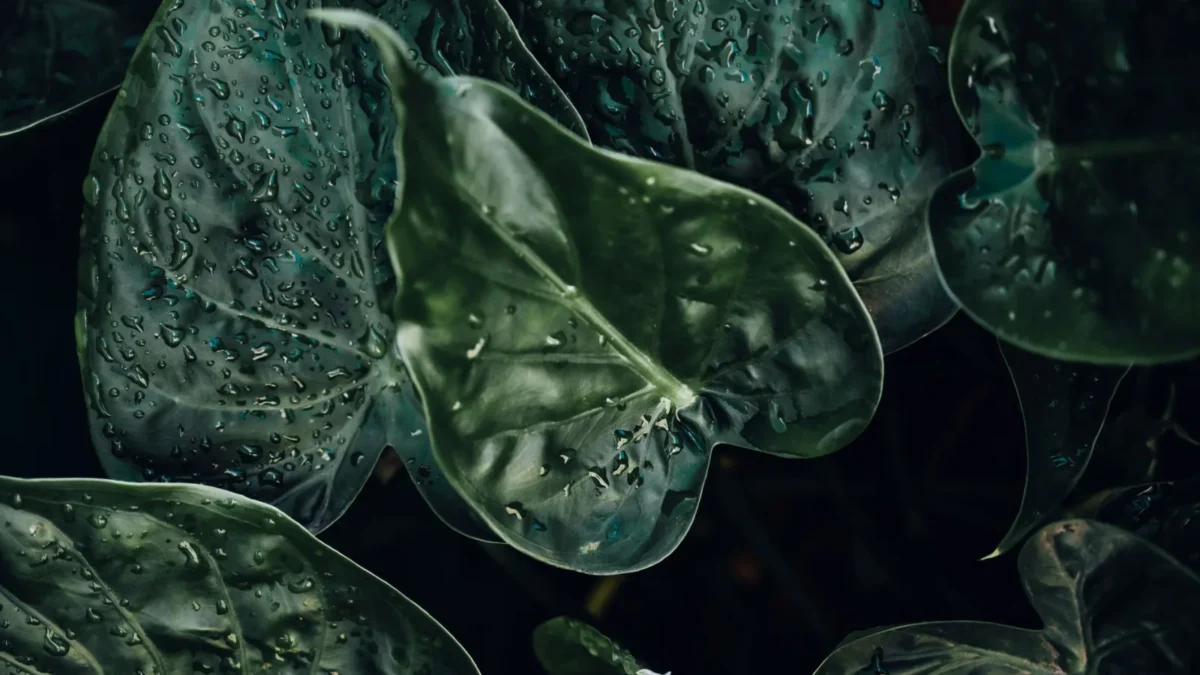
Quick answer: How often? Water your alocasia every 5 to 7 days in spring and summer as soon as the top 2 to 3 cm of soil is dry, then cut back to every 2 to 3 weeks in winter. Always check the soil moisture before watering rather than sticking to a fixed calendar, since the right watering schedule for alocasia depends on your home’s temperature, humidity, and pot size.
| Botanical name | Alocasia |
|---|---|
| Light | Bright indirect light; avoid direct summer sun |
| Watering | Water when top 2-3 cm soil is dry; every 5-7 days spring/summer, every 2-3 weeks winter |
| Humidity | High humidity spring to autumn; mist or use pebble tray |
| Temperature | 16–30°C (60–85°F); avoid temperatures below 16°C and drafts |
| Soil | Peat-free houseplant compost with horticultural grit; 3 parts compost to 1 part grit |
| Feeding | General liquid fertilizer every 2-3 weeks spring to autumn; no feeding in winter |
| Size | 2-6 feet tall; some species up to 1.5m (5ft); many smaller options available |
| Difficulty | moderate |
The Basic Watering Schedule for Alocasia
How often to water alocasia changes dramatically between growing season and dormancy. During spring and summer, when your alocasia is actively growing, water every 5 to 7 days as soon as the top 2 to 3 cm of soil is dry. In winter, when the plant slows down and enters dormancy, reduce watering to roughly every 2 to 3 weeks.
The most important rule is to check the soil first. Insert your finger about 2 cm (roughly 1 inch) into the compost—if it feels dry at that depth, water thoroughly until water flows from the drainage holes. If it still feels moist, wait another day or two and check again.
Why Winter Watering Matters Most
Overwatering in winter is the single most common way alocasia is killed indoors. When temperatures drop and growth slows, your alocasia’s roots need far less moisture, yet many people continue the summer watering schedule out of habit. The result is waterlogged soil that suffocates the roots.
Alocasia have shallow, fleshy rhizomes that are highly sensitive to saturated soil; even 24 to 48 hours of waterlogged conditions can trigger rapid leaf collapse as oxygen-depleted roots fail. Signs of overwatering include drooping leaves, soil that feels soggy several days after watering, and a noticeably light pot when lifted.
If you suspect overwatering, perform the finger test by inserting your finger 2 cm into the soil. If it is wet, hold off watering and check the roots; if they smell bad or feel soft and mushy, repot into fresh, airy compost immediately.
Signs of Underwatering and How to Respond
Underwatering also causes drooping leaves, but the soil tells a different story. If the potting mix feels completely dry, crumbly, or has pulled away from the pot edges, your alocasia is suffering from dehydration. The pot will also feel noticeably light when lifted, and leaf edges may turn brown and crispy as the plant sacrifices moisture from the extremities.
If the soil is dry and the pot is light, water thoroughly and wait. Mild cases from temporary stress may bounce back in 3 to 5 days with proper care.
Humidity’s Role in Watering
High humidity environments reduce the need for frequent watering, while lower humidity may necessitate more frequent checks and potential increases in watering to compensate for faster drying soil. Provide high humidity by placing the container on a tray of moist gravel or pebbles from spring to autumn, which slows soil drying and reduces stress on the plant.
FAQ
How often to water alocasia Polly, Frydek, Regal Shield, or other varieties?
All alocasia varieties follow the same watering schedule: every 5 to 7 days in spring and summer, every 2 to 3 weeks in winter, based on soil moisture. Species size and pot size may affect how quickly soil dries, so always check before watering rather than using a one-size-fits-all routine.
What happens if I water on a fixed calendar instead of checking soil?
Fixed watering schedules are a major cause of root rot and leaf drop in alocasia. Always check the soil moisture first; conditions in your home—light, temperature, humidity, and pot material—all affect drying speed.
Can I water less if my alocasia is in low light?
No, but you should move your alocasia to bright indirect light instead. Low light makes stems weak and floppy, and poor conditions stress the plant further. Bright but indirect light is what alocasia needs.
Read the full guide: Alocasia Care: The Complete Guide
More about Alocasia
The same problem in other plants
- How Often to Water Hoya Carnosa: The Right Watering Schedule
- How Often Should You Water a Moth Orchid?
- How Often Should You Water Aloe Vera?
- How Often Should You Water Heartleaf Philodendron?
Sources
- Alocasia Care Guide: Watering, Light & Problems
- Why Are My Alocasia Stems Drooping? – ScienceInsights
- Alocasia / RHS Plant Guide
Photo: Charlie Orellana / Pexels, Pexels