Money Tree Pachira aquatica
How Often Should You Water a Money Tree: Complete Seasonal Guide
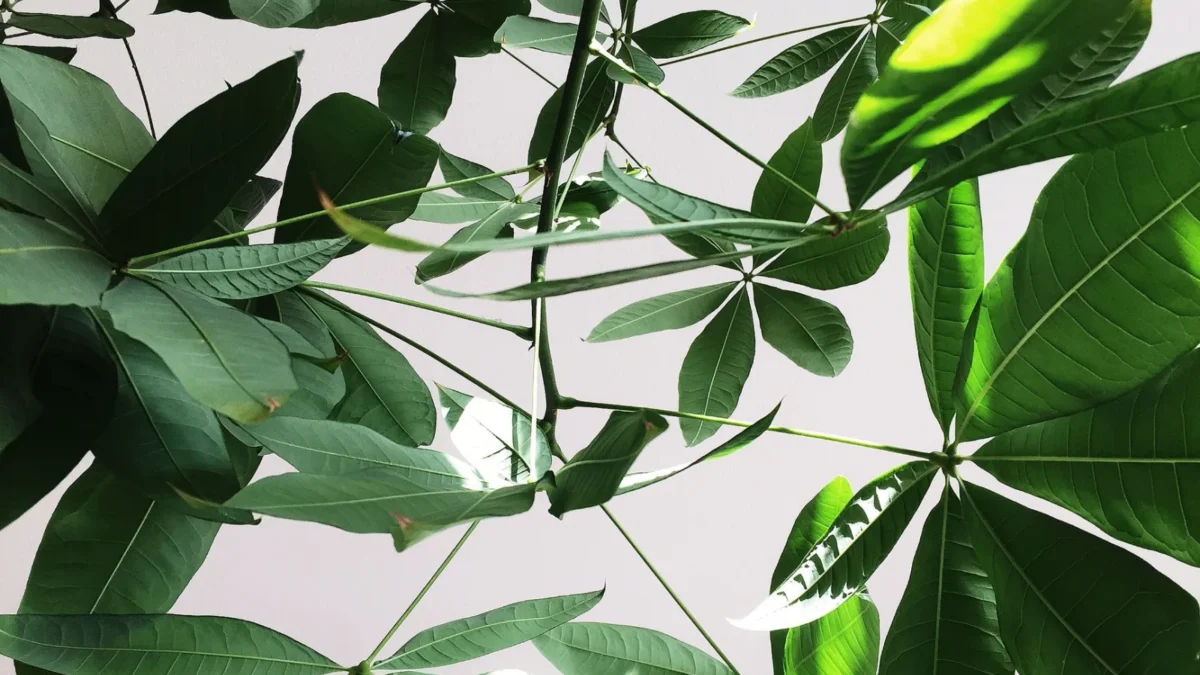
Quick answer: How often? Water your money tree only when the top 2–3 inches of soil are completely dry, typically every 1–2 weeks in spring and summer, and every 3–5 weeks in fall and winter. Never follow a calendar; always check the soil first with your finger or a moisture meter, as timing depends on light, pot size, humidity, temperature, and soil type.
| Botanical name | Pachira aquatica |
|---|---|
| Light | bright indirect light; tolerates partial shade; avoid direct sun 10am-3pm |
| Watering | water when top 2-3 inches of soil completely dry; every 1-2 weeks spring/summer; every 3-5 weeks fall/winter |
| Humidity | around 50% humidity; at least 50% to thrive; use pebble tray, humidifier, or misting |
| Temperature | 65-90°F (18-32°C); avoid cold drafts |
| Soil | well-draining; neutral to acidic pH; peat, perlite, sand mix |
| Feeding | balanced liquid fertilizer every 4-6 weeks spring/summer at half-strength; every 2-3 months fall/winter |
| Size | up to 1.5m in pot; reaches 20m in tropical habitat |
| Difficulty | easy |
| Cats | ✓ non-toxic |
| Dogs | ✓ non-toxic |
Basic Watering Schedule
Money trees are among the easiest houseplants to care for, but the key to success is understanding when to water rather than sticking to a fixed routine. Let the soil guide you: insert your finger into the soil and water only when the top 2–3 inches feel completely dry.
When you do water, thoroughly soak the pot until excess moisture drains from the bottom, then empty the saucer to prevent the roots from sitting in soggy soil.
How Season Changes Your Watering Frequency
During the growing season (spring and summer), you’ll typically water more often—every 1–2 weeks. As temperatures drop and growth slows in fall and winter, reduce watering to every 3–5 weeks. This timing keeps the plant healthy without risking root rot from oversaturated soil during dormancy.
Watering needs vary based on your specific conditions: a smaller pot, lower humidity, or a warm room may dry out faster than you expect, while a larger pot in cool conditions may stay moist longer. Always test before watering.
Signs of Overwatering
Overwatering is the most common problem with money trees. Look for yellowing leaves (especially the lower ones), wilting despite wet soil, and a sour or rotting smell from the soil. The plant may also shed green, healthy-looking leaves without obvious reason.
If you suspect root rot—roots look black and mushy and smell bad—the plant is in serious danger and needs immediate repotting into fresh, well-draining soil.
Signs of Underwatering
Money tree leaves curl inward and turn pale yellow or crispy when the plant doesn’t get enough water. The leaves lose their firm, turgid appearance because the plant lacks water to support them. If underwatering persists, leaf curling worsens and leaves may drop entirely.
Other Factors That Affect Watering
Humidity plays a role: money trees prefer around 50% humidity to thrive. In drier air, the soil dries out faster and the plant loses more water through its leaves, so you may need to water slightly more often. Consider using a pebble tray, humidifier, or misting to help maintain adequate humidity.
Temperature also matters. Keep your money tree between 65–90°F (18–32°C) and away from cold drafts near doors or vents. Cooler temperatures slow water uptake and growth, so winter watering should be even more conservative.
FAQ
How do I check if my money tree needs water?
Insert your finger into the soil to the second knuckle or use a calibrated moisture meter. Water only when the top 2–3 inches feel completely dry.
Can I water on a schedule?
No. Never water on a fixed calendar schedule—always test the soil first. Conditions like pot size, light, humidity, and temperature mean your plant may need water at different intervals each week.
What’s the difference between overwatering and underwatering signs?
Overwatering causes yellow leaves (especially lower ones) and a wet soil that smells sour. Underwatering makes leaves curl inward and turn pale or crispy.
Read the full guide: Money Tree Care: The Complete Guide
More about Money Tree
The same problem in other plants
- How Often Should You Water Chinese Evergreen?
- How Often Should You Water Bird of Paradise?
- How Often Should You Water a Boston Fern?
- How Often Should You Water Dracaena Marginata?
Sources
- How Often to Water Money Tree Plant: A Science-Backed Guide
- Money Tree Care 101: This Plant Care Routine is Ideal for Newbie Plant Parents – Bob Vila
- Money Tree Care Guide (Pachira aquatica)
Photo: Ellah Jacqueline / Pexels, Pexels