Air Plant Tillandsia
How to Propagate Air Plants From Pups and Seeds
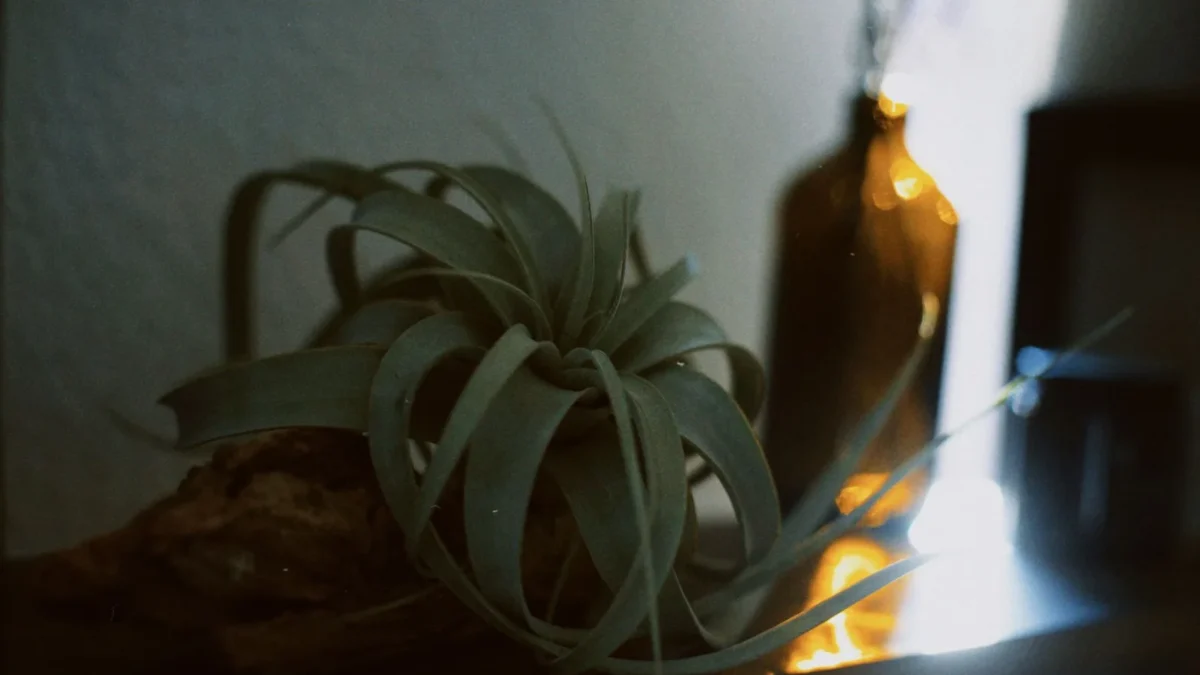
Quick answer: The best way to propagate air plants is from pups—small offsets that grow from the base of mature plants. Once pups reach one-third to half the size of the mother plant, you can twist or cut them away and care for them like any other air plant.
| Botanical name | Tillandsia |
|---|---|
| Light | Bright indirect light; avoid direct sunlight which can burn leaves |
| Watering | Soak 2-3 times weekly spring-autumn in rainwater; weekly in winter; allow to dry within hours |
| Humidity | 50-70% |
| Temperature | 50-90°F (10-32°C); avoid prolonged exposure below 45°F |
| Soil | No soil; attach to wood, rocks, shells, or wire |
| Feeding | Balanced foliar feed monthly spring-late summer |
| Size | 0.1-0.5 m height; matures in 5-10 years |
| Difficulty | demanding |
Growing air plants from pups (the easiest method)
Most air plants belong to the Bromeliaceae family and follow a natural life cycle: they grow, flower, then produce pups before the parent plant dies. When your air plant blooms, watch for 2-8 small offsets to emerge from the base.
Wait until the pups are clearly visible and sizeable—ideally one-third to half the size of the mother plant. At this point, the parent will start to decline, signalling it’s time to separate them.
- Gently twist the pup away from the base.
- If it won’t budge, use a clean knife to make a downward slice right at the bottom of the pup.
- Allow the cut wound to dry and callus over before watering again.
- Once separated, treat the pup exactly as you would a mature air plant—no special care is needed.
What to expect when pups grow
Each pup will follow the same growth pattern as the parent: it will mature over 5–10 years, flower, and eventually produce its own pups. If you leave pups attached to the mother plant instead of removing them, they’ll clump together, forming a larger specimen.
Alternatively, you can separate each pup and grow them individually on wood, rocks, shells, or wire.
Why seed propagation isn’t practical
Although air plants can flower, they rarely set seed as houseplants, making seed propagation unreliable and time-consuming. Pup propagation is far faster and more successful in a home environment.
Care for newly separated pups
Your new pups need the same care as adult air plants. Provide bright, indirect light— a south-facing window behind a net curtain is ideal. From spring to autumn, soak them 2–3 times weekly in rainwater; in winter, reduce watering to every 10–14 days. Rainwater is essential, as tap water can damage the plants’ specialized moisture-absorbing cells.
Keep humidity between 50–70%, and maintain temperatures between 50–90°F. Allow pups to dry completely within a few hours after soaking to prevent rot.
FAQ
Can you propagate air plants from leaves or cuttings?
No—air plants don’t propagate from individual leaves or stem cuttings. Pups are the only reliable method.
How long until a pup becomes a full-size plant?
Pups typically take 5–10 years to reach maturity and flower.
Read the full guide: Air Plant Care: The Complete Guide
More about Air Plant
The same problem in other plants
- How to Propagate Burro's Tail From Stem Cuttings
- How to Propagate Bunny Ears Cactus
- How to Propagate Corn Plant in Soil and Water
- How to Propagate Tradescantia Zebrina: Water and Soil Methods
Sources
- Air Plants Care Guide
- How to Plant, Grow, and Care For Tillandsia Air plants
- How to Care for Air Plants Indoors
Photo: Valeria Palesska / Pexels, Pexels