Air Plant Tillandsia
Why Is My Air Plant Turning Brown? Causes and Solutions
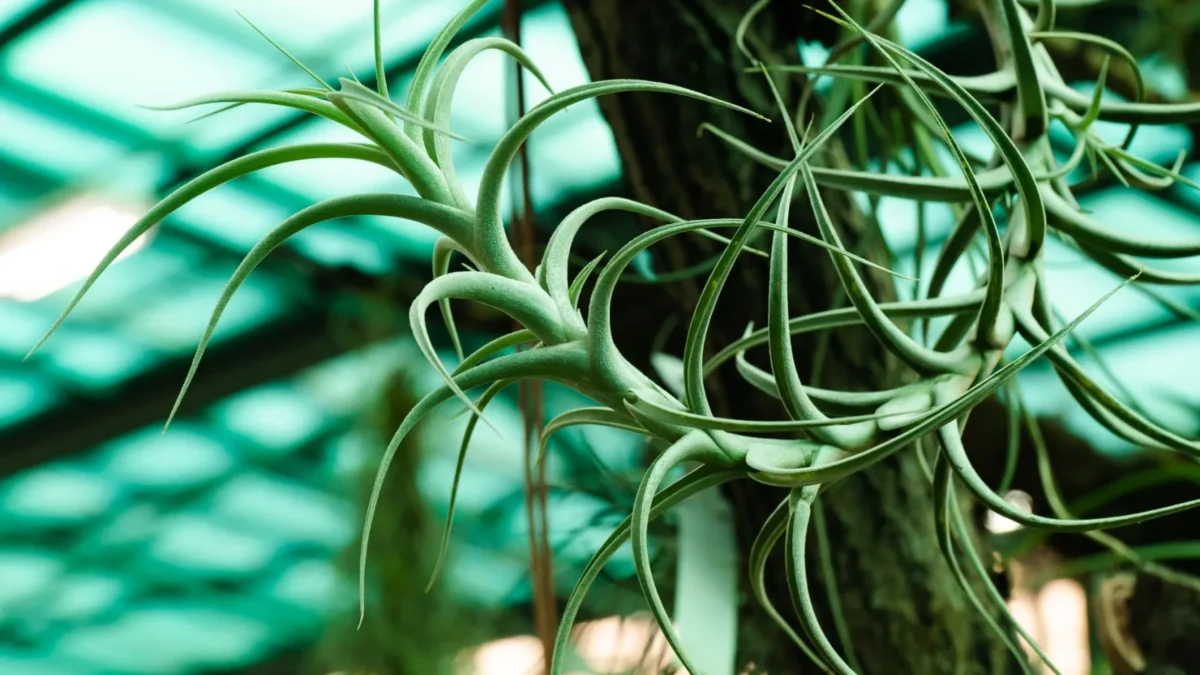
Quick answer: Your air plant is turning brown most likely due to underwatering, poor air circulation causing rot, or leaf burn from direct sunlight. Each cause has a different fix, and most plants can be saved if you act quickly.
| Botanical name | Tillandsia |
|---|---|
| Light | Bright indirect light; avoid direct sunlight which can burn leaves |
| Watering | Soak 2-3 times weekly spring-autumn in rainwater; weekly in winter; allow to dry within hours |
| Humidity | 50-70% |
| Temperature | 50-90°F (10-32°C); avoid prolonged exposure below 45°F |
| Soil | No soil; attach to wood, rocks, shells, or wire |
| Feeding | Balanced foliar feed monthly spring-late summer |
| Size | 0.1-0.5 m height; matures in 5-10 years |
| Difficulty | demanding |
Common causes of browning in air plants
| What you see | Likely cause | What to do |
|---|---|---|
| Whole plant drying, brown tips and curling leaves | Underwatering or dehydration | Soak overnight in rainwater, then establish regular watering schedule |
| Brown or black centre, soft leaves, mushy base | Rot from water in crown | Improve air circulation, dry plant thoroughly within hours after watering |
| Brown patches on leaf surfaces | Sunburn from direct sun | Move to bright indirect light, such as near a window |
| Brown lower leaves dropping off | Stress from temperature or water changes | Check temperature range and watering consistency |
| Dry brown tips | Winter dehydration | Increase winter watering and add misting |
| Hard white or grey crusts on leaves | Hard water deposits blocking trichomes | Switch to rainwater for all watering |
Air plants (Tillandsia) have specialized water-absorbing cells called trichomes on their leaves—their main way of taking in moisture. Understanding which type of browning you’re seeing will tell you exactly what went wrong.
How to fix underwatering and dehydration
Dehydration happens when watering is infrequent, temperatures are high, and humidity is low—often a combination of all three. Plants can sometimes be revived by soaking overnight, but long-term success requires better care habits.
From spring until autumn, soak your air plant in rainwater two to three times a week, allowing it to dry completely between waterings. In winter, water once weekly. Rainwater is essential because tap water, especially in hard water areas, contains dissolved minerals that precipitate on the trichomes and block them, preventing moisture absorption.
If your plant shows curling leaves and dry tips, it likely needs more winter moisture. Keep up with weekly water baths, and add an extra misting once a week during colder months.
Maintain humidity between 50% and 70% indoors, which will make a real difference.
How to prevent and treat rot
Rot causes the centre or leaves to turn brown or black and usually happens when water collects in the crown of the plant combined with poor air circulation.
After watering, always ensure your air plant dries completely within a few hours. Never let water sit in the centre of the plant. If you’re misting, keep air circulating with a gentle fan nearby. Avoid placing plants in tightly closed containers or cramped spaces—they need fresh air to absorb nutrients and prevent rot.
If rot has already started, the affected plant may not recover, but you can prevent it spreading by improving airflow immediately and adjusting your watering method.
Why direct sunlight causes brown leaves
Too much direct sunlight can cause leaves to burn and turn brown. A position in a south-facing window behind a net curtain is ideal for providing bright but diffused light. If your air plant is in a sunny spot, move it back from the window or filter the light with a sheer curtain.
FAQ
Can I save a severely browned air plant?
If the plant still has some green tissue and the centre isn’t completely rotted, try an overnight soak in rainwater, then adjust your care routine. Brown roots and lower leaves are normal stress responses and don’t always mean the plant is dying.
What temperature do air plants need?
Air plants prefer temperatures between 50°F and 90°F (10°C to 32°C). Anything below 45°F is dangerously cold and can kill them if prolonged.
Should I use tap water or rainwater?
Always use rainwater. Tap water deposits mineral buildup that blocks the trichomes your air plant relies on to drink.
Read the full guide: Air Plant Care: The Complete Guide
More about Air Plant
The same problem in other plants
- Why Is My Rattlesnake Plant Turning Brown?
- Why Are My Aluminum Plant Leaves Turning Brown or Black?
- Why Are My Corn Plant Leaves Turning Brown at the Tips?
- Why Are My Tradescantia Zebrina Leaves Turning Brown?
Sources
Photo: Dmitry Kharitonov / Pexels, Pexels