Tradescantia Zebrina Tradescantia zebrina
How to Propagate Tradescantia Zebrina: Water and Soil Methods
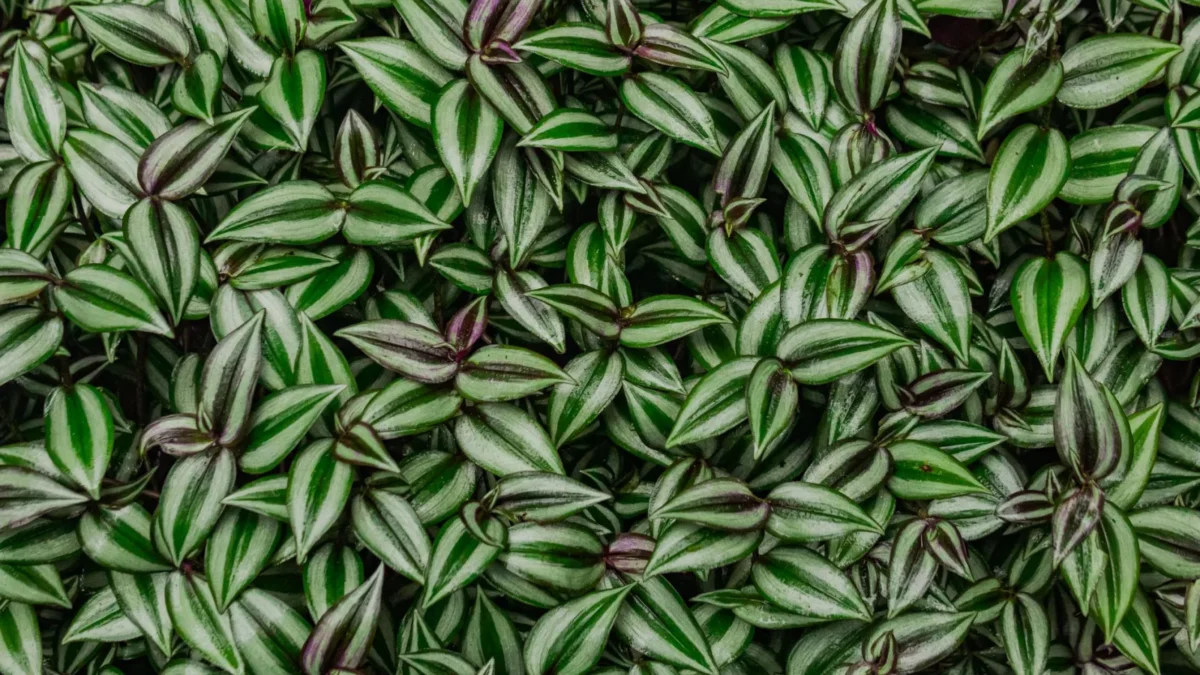
Quick answer: Tradescantia zebrina propagates easily from stem cuttings in either water or soil. The best time is spring and summer, when cuttings root fastest. Take 3–6 inch cuttings with at least one leaf node, remove lower leaves, and either place them in water (roots form in 1–2 weeks) or pot them directly in soil (roots develop in about two weeks).
Tradescantia Zebrina at a glance
| Botanical name | Tradescantia zebrina |
|---|---|
| Light | Bright indirect light; tolerates filtered sun and shade; direct sun may scorch leaves |
| Watering | Water when top inch of soil is dry; keep consistently moist during growing season; reduce watering fall to late winter |
| Humidity | 40–60% relative humidity |
| Temperature | 60–85°F; avoid below 50°F |
| Soil | Peaty, soil-based potting mix; equal parts peat moss, perlite, potting soil; well-draining, slightly acidic to neutral p |
| Feeding | Monthly diluted half-strength liquid fertilizer during spring and summer growing season |
| Size | 6–9 inches tall; spreads 2–3 feet or wider in hanging baskets |
| Difficulty | easy |
| Cats | ⚠️ toxic — Skin irritation and contact dermatitis from sap; mild GI upset if ingested |
| Dogs | ⚠️ toxic — Skin irritation and contact dermatitis from sap; mild GI upset if ingested |
How to take cuttings from Tradescantia zebrina
Start by making clean cuts with sharp, sterilized scissors. Cut just below a leaf node—that small bump on the stem where leaves emerge—and take cuttings 3 to 6 inches long. Each cutting needs at least a few leaves attached. Remove the leaves from the lower two-thirds of the stem so nodes are exposed for rooting. Every node must be either submerged in water or buried in soil; without one, a cutting won’t root.
Water propagation method
- Place each cutting in a small container of fresh water, making sure at least one node is submerged
- Put the container in bright, indirect light
- Change the water every few days to keep it fresh
- Watch for roots to develop in 1–2 weeks
- Once roots reach 3–4 inches long, transplant into pots with well-draining potting mix
This method lets you watch roots develop, making it satisfying and reliable for beginners.
Soil propagation method
- Insert 4–6 cuttings into a 3-inch pot filled with well-draining potting mixture
- Keep the pot in a warm location with bright, filtered light
- Water just enough to keep the rooting mix barely moist
- Roots develop in about two weeks
- Once established, care for new plants as you would mature specimens
Soil propagation is faster and skips the transplanting step, though you’ll need to be careful not to overwater during rooting.
Common propagation mistakes
Using dull tools crushes stem tissue, inviting rot. Cuttings without a node won’t root, no matter how long you wait. Keeping the soil too wet during rooting can cause rot before roots form; barely moist is correct. Planting in cold conditions slows rooting dramatically—wait for spring or summer when the plant is actively growing.
What to expect after roots form
Once roots establish, new leaf growth appears quickly. Keep your new plant in bright, indirect light and maintain humidity around 40–60%. Water when the top inch of soil dries, and feed monthly with half-strength liquid fertilizer during spring and summer.
Why propagate regularly
Tradescantia zebrina naturally loses lower leaves with age. Propagating regularly gives you fresh young plants and helps manage leggy growth. The fast-growing stems and closely spaced nodes make it almost impossible to fail—use this to your advantage by taking cuttings whenever you trim the plant.
Read the full guide: Tradescantia Zebrina Care: The Complete Guide
More about Tradescantia Zebrina
The same problem in other plants
- How to Propagate Bunny Ears Cactus
- How to Propagate Corn Plant in Soil and Water
- How to Propagate Air Plants From Pups and Seeds
- How to Propagate a Weeping Fig from Cuttings
Sources
- Tradescantia Zebrina Propagation: A Step-by-step Tutorial
- Tradescantia Care Guide: Zebrina Light, Watering & Soil – Houseplants Nook
- How do I care for my Tradescantia zebrina houseplant? – NYBG Mertz Library Reference
Photo: Nothing Ahead / Pexels, Pexels