Alocasia Alocasia
How to Propagate Alocasia: Step-by-Step Guide
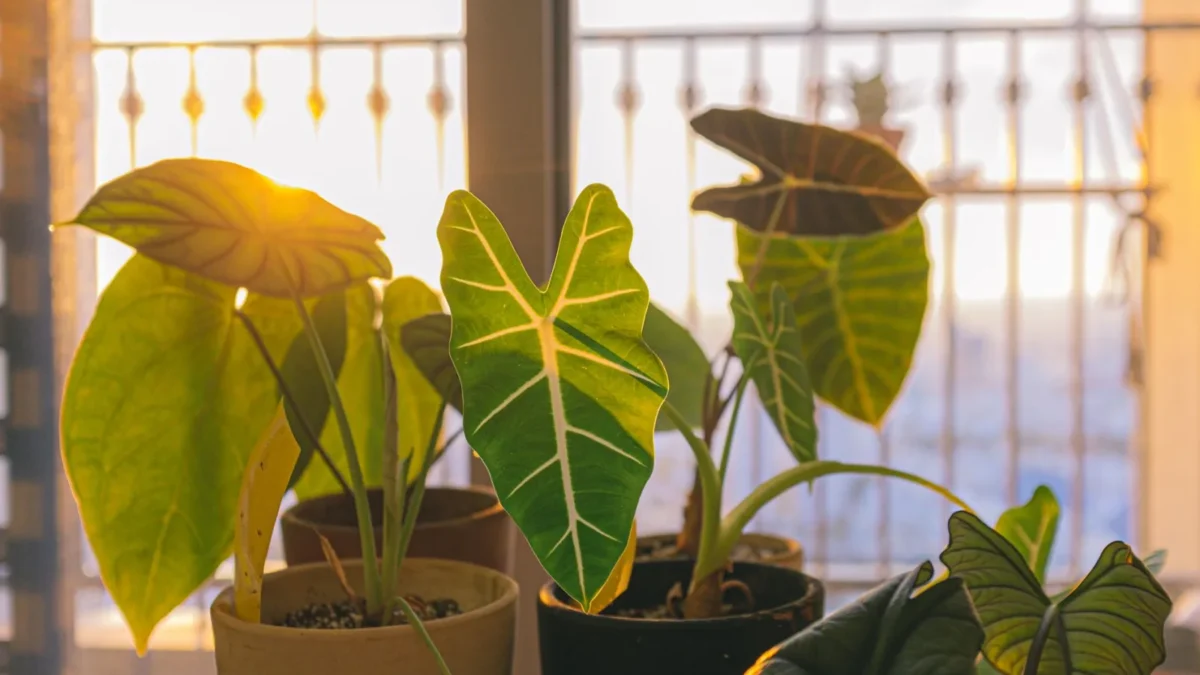
Quick answer: Here’s how to do it: You can propagate alocasia by dividing the rhizomes, removing and potting corms, or water propagating stem cuttings with root clumps. The easiest and most reliable method is rhizome division in spring, when new growth emerges after winter dormancy.
| Botanical name | Alocasia |
|---|---|
| Light | Bright indirect light; avoid direct summer sun |
| Watering | Water when top 2-3 cm soil is dry; every 5-7 days spring/summer, every 2-3 weeks winter |
| Humidity | High humidity spring to autumn; mist or use pebble tray |
| Temperature | 16–30°C (60–85°F); avoid temperatures below 16°C and drafts |
| Soil | Peat-free houseplant compost with horticultural grit; 3 parts compost to 1 part grit |
| Feeding | General liquid fertilizer every 2-3 weeks spring to autumn; no feeding in winter |
| Size | 2-6 feet tall; some species up to 1.5m (5ft); many smaller options available |
| Difficulty | moderate |
How to Propagate Alocasia from Rhizomes
Alocasia grows from rhizomes—underground stems that naturally produce new shoots. This makes them ideal for propagation because the plant does most of the work for you. The best time to propagate alocasia is in spring or early summer, when the plant is coming out of dormancy.
- Remove the plant from its pot and gently brush away soil to expose the rhizome.
- Wait until any offset shoots have at least 2–3 leaves and visible roots of their own. If they’re still relying on the mother plant, give them more time to develop strength.
- Use a sharp, clean knife to make a clean cut through the rhizome, separating the offset from the parent.
- Pot each division into fresh, well-draining soil: peat-free houseplant compost mixed with horticultural grit at a ratio of 3 parts compost to 1 part grit.
- Water thoroughly and place in bright, indirect light at 16–30°C (60–85°F).
Each new plant should establish roots and send up fresh growth within 2–4 weeks with proper care.
How to Propagate Alocasia Corms
Alocasia also produces tiny corms—small, round tubers—around the base of the plant that develop into full plants with patience. You can harvest corms when repotting.
When repotting, sift through the soil and look for small, firm, tan or brown round structures. Rinse them gently and discard any that are soft, mushy, or rotting.
Place the corms in damp sphagnum moss or perlite, then seal them in a ventilated box or clear cup. Moss works best—it gives better airflow and lowers rot risk. Keep them in a warm, bright location. New shoots should emerge in 4–8 weeks; once they develop leaves, pot them into soil.
Alternatively, place corms in water with the top half above the water line, in a warm, bright spot, and change the water every few days.
How to Propagate Alocasia in Water
You can water propagate stem cuttings with root clumps for many alocasia species. Wash the clump with distilled water and make a cutting that includes the root clump, a stem, and one or two leaves. Fill a bowl with distilled water and submerge the root clump. Cover the bowl with a plastic lid to retain moisture.
Keep the container in a warm, bright spot and change the water every few days. Roots and new growth typically appear within 3–4 weeks; once established, pot into soil.
FAQ
How do I know if my corm is dead?
Discard any corm that is soft, mushy, or shows signs of rot. Healthy corms are firm to the touch and tan or brown in color.
Can I propagate alocasia corms in winter?
No—wait until spring or early summer. Winter is dormancy, and the plant’s energy is focused on survival rather than growth. Spring propagation gives the best results.
How long until a new propagated alocasia looks full?
A divided rhizome with established roots and leaves may reach mature size in 6–12 months, depending on the species and growing conditions. Corm propagation takes longer—12–18 months or more—because you’re starting from a tiny tuber.
Read the full guide: Alocasia Care: The Complete Guide
More about Alocasia
The same problem in other plants
- How to Propagate Jade Plant from Leaves and Cuttings
- How to Propagate Moth Orchids: Step-by-Step
- How to Propagate Aloe Vera from Leaves and Pups
- How to Propagate Calathea: Step-by-Step Instructions