Alocasia Alocasia
Why Is My Alocasia Drooping? Causes and How to Fix It
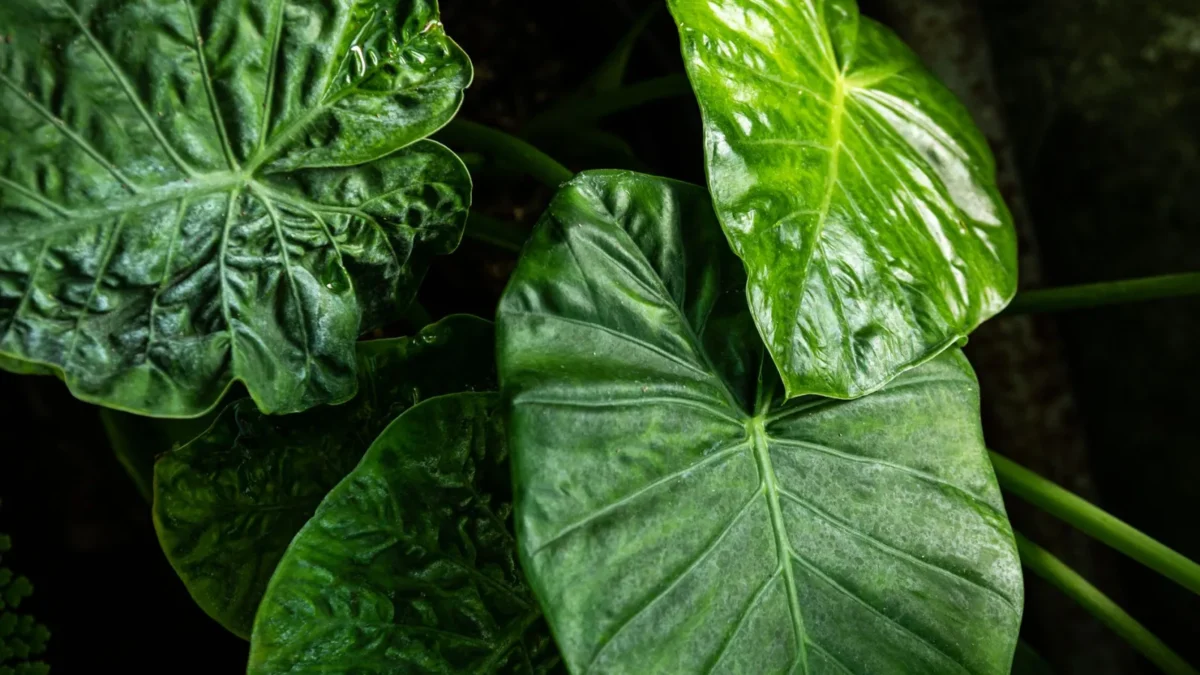
Quick answer: Why is my alocasia drooping? Most likely because of overwatering, underwatering, weak light, or temperature stress. Check the soil moisture first using the finger test, then adjust your care based on what you find.
| Botanical name | Alocasia |
|---|---|
| Light | Bright indirect light; avoid direct summer sun |
| Watering | Water when top 2-3 cm soil is dry; every 5-7 days spring/summer, every 2-3 weeks winter |
| Humidity | High humidity spring to autumn; mist or use pebble tray |
| Temperature | 16–30°C (60–85°F); avoid temperatures below 16°C and drafts |
| Soil | Peat-free houseplant compost with horticultural grit; 3 parts compost to 1 part grit |
| Feeding | General liquid fertilizer every 2-3 weeks spring to autumn; no feeding in winter |
| Size | 2-6 feet tall; some species up to 1.5m (5ft); many smaller options available |
| Difficulty | moderate |
What’s causing your alocasia to droop
| What you see | Likely cause | What to do |
|---|---|---|
| Soil is soggy, wet days after watering; roots smell musty or feel soft | Overwatering and root rot | Repot into fresh, airy mix; cut back watering to every 2–3 weeks in winter |
| Soil is bone dry, pulling from pot edges; pot feels very light | Underwatering and dehydration | Water thoroughly until water drains; check soil every 5–7 days in spring/summer |
| Plant is pale, weak, and drooping in a dim corner | Too little light | Move to bright indirect light location |
| Drooping started suddenly near cold drafts or AC vents | Temperature stress or cold exposure | Move away from drafts; keep temperature between 16–30°C (60–85°F) |
| Leaves drooping and dropping as days shorten in autumn | Natural dormancy | Ease off watering; keep tuber warm; plant will recover in spring |
Overwatering is the single most common reason. Alocasia have shallow, fleshy rhizomes that are highly sensitive to saturated soil—even 24 to 48 hours of waterlogged conditions can trigger rapid leaf collapse as oxygen-depleted roots fail. If the soil is consistently soggy several days after the last watering, the roots are being suffocated and turning into mushy, dark tissue.
Underwatering causes the opposite problem. If the potting mix feels completely dry, crumbly, or pulled away from the edges of the pot, the plant is suffering from dehydration. The pot will feel noticeably light when lifted, and leaf edges may turn brown and crispy.
Light problems are one of the most common causes of drooping leaves—too little light makes stems weak and floppy. Move your plant to bright indirect light; direct summer sun can burn the foliage, but darkness will weaken it just as much.
Temperature swings matter too. A sudden drop below 60°F or direct airflow from AC can cause leaves to droop within hours. Alocasias dislike cool temperatures below 16°C (60°F) and draughts.
If yours is drooping and shedding leaves as the days shorten, it may simply be going dormant. Ease off the watering, keep the tuber warm, and it usually returns in spring.
How to diagnose and fix the problem
Start with the finger test: insert a finger two inches deep into the soil. If it is dry and the pot is light, water thoroughly and wait. If it is wet, hold off, check the roots, and repot into a fresh, airy mix if they smell or feel soft.
For watering: water every 5 to 7 days in spring and summer as soon as the top 2 to 3 cm of soil is dry, dropping to roughly every 2 to 3 weeks in winter dormancy. Always check the soil rather than watering on a fixed calendar. Continuing the summer watering schedule into winter is the single most common way alocasia is killed indoors.
If you repot, choose a peat-free houseplant compost and add horticultural grit to improve drainage—about three parts compost and one part grit.
For light and temperature, move the plant somewhere warm and bright, away from draughts. Mild cases from temporary stress may bounce back in 3 to 5 days with proper care. Severe root damage can take 2 to 4 weeks to show improvement.
Preventing drooping alocasia
Humidity helps prevent stress. Alocasias need humid air from spring to autumn. Provide high humidity by placing the container on a tray of moist gravel or pebbles.
Water wisely and consistently. Water freely and apply a general liquid fertiliser every 2–3 weeks from spring to autumn. In winter, when dormant, they need very little water and no feeding.
Keep conditions stable: maintain temperature between 16–30°C (60–85°F), avoid draughts, and provide bright indirect light. Check soil moisture before every watering, and your alocasia will stay upright and healthy.
Read the full guide: Alocasia Care: The Complete Guide
More about Alocasia
The same problem in other plants
- Why Is My Jade Plant Drooping and Wilting?
- Why Is My Moth Orchid Wilting?
- Why Is My Aloe Vera Plant Drooping?
- Why Is My Rubber Plant Drooping and How to Fix It?
Sources
- Alocasia / RHS Plant Guide
- Why Is My Alocasia Drooping? Causes & Fixes
- Alocasia Care Guide: Watering, Light & Problems
Photo: Julia Zolotova / Pexels, Pexels