Calathea Goeppertia
How to Propagate Calathea: Division Method & Care Guide
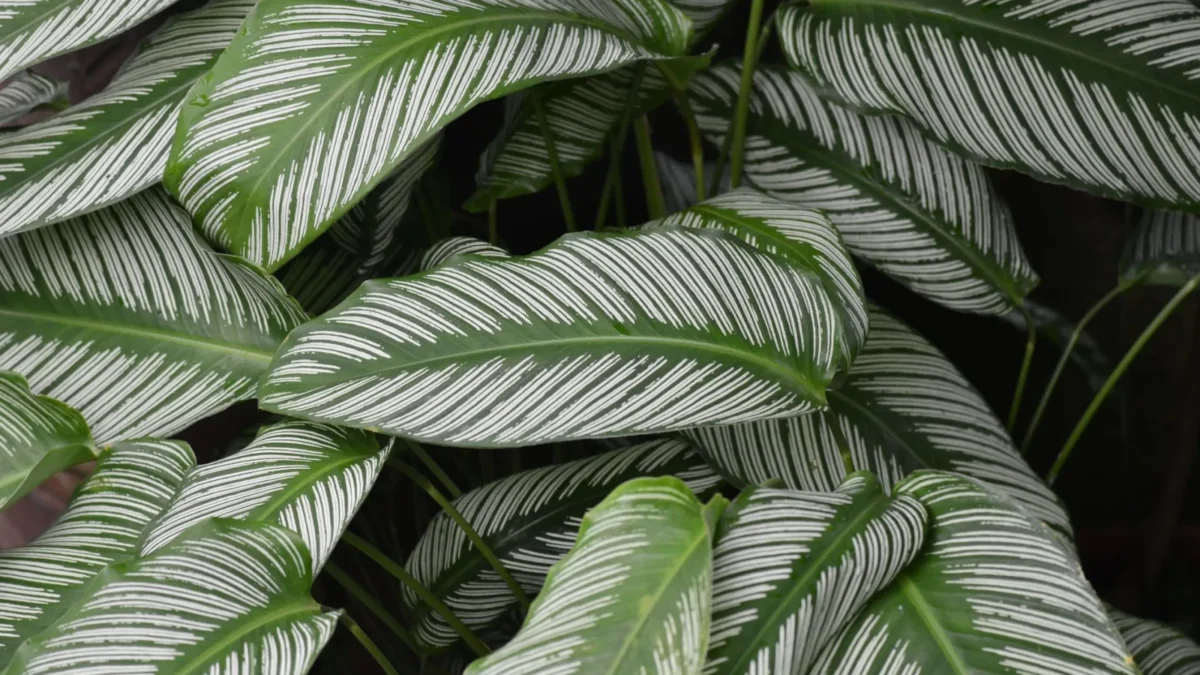
Quick answer: The only reliable way to propagate calathea is by division during active growth in spring to early summer. Calathea cannot be propagated from stem or leaf cuttings, so division of mature plants with multiple crowns is your only proven method.
| Botanical name | Goeppertia |
|---|---|
| Light | Bright indirect light; east-facing windowsill ideal; avoid direct sunlight |
| Watering | Keep soil evenly moist during growing season; allow top 2 inches to dry slightly before watering; reduce in winter |
| Humidity | High humidity 40-60% relative; mist regularly or use pebble tray with water |
| Temperature | 16–21°C (61–70°F); avoid drafts and temperature fluctuations |
| Soil | Free-draining, moisture-retentive, peat-free compost with potting grit |
| Feeding | Balanced liquid fertilizer applied monthly during growing season |
| Size | Height 1–2 feet; spread 0.75–1 foot |
| Difficulty | easy |
Best time to propagate calathea
Root division should be performed every 2–3 years, ideally in late spring (April–June), when the plant is entering its active growth phase and can recover quickly. This timing gives new divisions the warmth and longer daylight they need to establish roots and fresh growth before winter.
How to divide your calathea: step-by-step
- Water the plant lightly a few hours before starting to ease removal from the pot.
- Gently remove the entire root ball and shake off excess soil to expose the rhizomes.
- Identify natural divisions where multiple stalks emerge with their own roots.
- Carefully separate these clumps by hand or use a clean blade if needed.
- Ensure each division has at least 2–3 stems with leaves and a healthy portion of roots.
- Pot each section in fresh, free-draining, moisture-retentive, peat-free compost, keeping the original depth.
What to expect after division
Success hinges on preserving intact root-rhizome junctions, minimizing root disturbance, and maintaining high humidity and warm, stable temperatures (70–80°F) for 3–4 weeks post-division. During this critical period, mist your new divisions regularly or place them on a saucer of damp pebbles to keep humidity high. Keep the temperature steady at 16–21°C (61–70°F), away from draughts.
New root growth typically emerges within 3–4 weeks if conditions are ideal. Fresh leaf growth will follow as the division settles and roots establish themselves. Keep the soil evenly moist during this recovery phase; check soil moisture with your finger before watering—the key is to make sure the soil starts to dry out a little, not a lot, before you water again.
Common mistakes when propagating calathea
The most common error is attempting to propagate from cuttings, which simply doesn’t work with calathea. Another frequent mistake is dividing undersized plants or sections without enough roots or leaf clusters. Each division must have at least 2–3 stems with leaves and healthy roots to survive.
Overwatering divided plants during their recovery period is also risky. Although calathea likes consistently moist soil, overwatering causes yellow wilting leaves, stem rot, and severely stunted growth. If this happens, empty the catch tray and stop watering until the top 2 inches of soil has dried out.
Finally, don’t neglect humidity. Low humidity is responsible for more cases of calathea leaf curl than any other single cause, particularly during winter. Keep relative humidity between 40% and 60% for best results.
FAQ
Can you propagate calathea in water?
No. Calathea cannot be propagated from stem or leaf cuttings in water or soil because they lack the necessary meristematic tissue to regenerate roots and shoots. Division is the only reliable method.
How long until new calathea plants are ready to mature?
After 3–4 weeks of careful recovery with high humidity and warm temperatures, new divisions should show root and leaf growth. Full maturity to the plant’s natural size of 1–2 feet in height takes several months with consistent care.
Read the full guide: Calathea Care: The Complete Guide
More about Calathea
The same problem in other plants
- How to Propagate Heartleaf Philodendron from Cuttings
- How to Propagate a Rubber Plant: Step-by-Step Guide
- How to Propagate Peace Lily: A Step-by-Step Guide
- How to Propagate Spider Plant Babies in Water or Soil
Sources
- How to grow calatheas / RHS Growing Guide
- How to Propagate a Calathea: Step-by-Step Guide – Plant Care
- Top 5 Reasons Your Calathea Leaves Are Turning Yellow
Photo: Yufan Jiang / Pexels, Pexels