Jade Plant Crassula ovata
Why Is My Jade Plant Drooping? Causes and How to Fix It
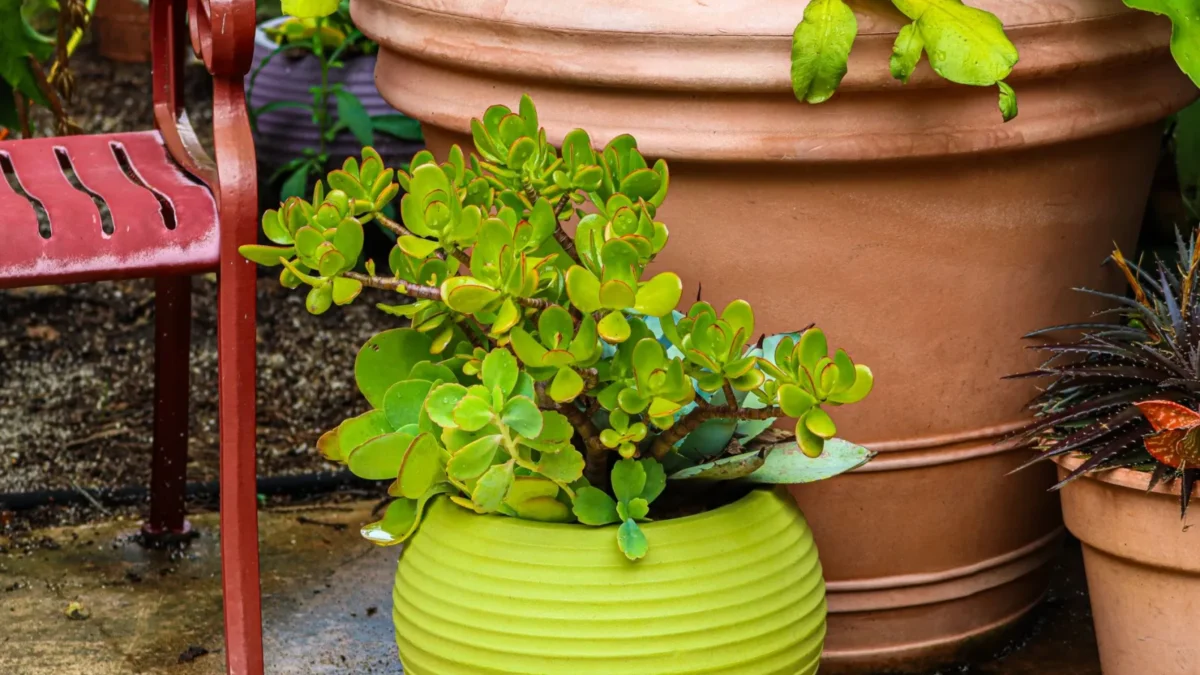
Quick answer: Jade plants droop most often from overwatering and root rot, but underwatering, insufficient light, temperature stress, or over-fertilizing can also cause wilting. Check your soil moisture, drainage, and light levels to pinpoint the cause, then adjust your care routine.
| Botanical name | Crassula ovata |
|---|---|
| Light | 4-6 hours bright indirect light; prefers some afternoon shade |
| Watering | Water when top inch of soil is dry; allow soil to dry between waterings |
| Humidity | Standard household humidity (30-50%); no misting needed |
| Temperature | 65-70°F; can tolerate down to 55°F at night; not frost tolerant |
| Soil | Well-draining succulent/cactus potting mix; slightly acidic pH around 6.0 |
| Feeding | Balanced 20-20-20 at one-quarter strength weekly or controlled-release at season start |
| Size | 18-30 inches tall indoors; can reach 3-6 feet in optimal conditions |
| Difficulty | easy |
| Cats | ⚠️ toxic — Contains bufadienolides; causes vomiting, depression, incoordination |
| Dogs | ⚠️ toxic — Contains bufadienolides; causes vomiting, depression, incoordination |
What causes jade plant drooping
| What you see | Likely cause | What to do |
|---|---|---|
| Soft, wrinkled, floppy leaves; soil is wet | Overwatering or root rot | Let soil dry out; check roots for rot; repot if needed |
| Wrinkled, dull leaves; bone-dry soil | Underwatering | Water deeply until it drains; establish a regular watering schedule |
| Drooping stems with dark green leaves | Insufficient light | Move plant to a brighter spot with more direct sun |
| Plant wilting suddenly; recent temperature swings | Temperature stress | Move away from drafts, heaters, or cold windows |
| Drooping after fertilizing; crusty soil surface | Over-fertilizing | Flush soil with water; reduce fertilizer strength |
Root rot: the most serious cause
Root rot from overwatering is the most common reason jade plants droop and the hardest to reverse. When you water too frequently, the soil stays wet and oxygen cannot reach the roots, causing them to rot and stop absorbing moisture. Infected stems wilt before the plant’s leaves fall off.
To check for root rot, remove the plant from its pot and inspect the roots. Smell the soil at the drainage hole—a sour, swampy, or sulphurous smell indicates active rot. Healthy roots are firm and light-coloured; rotted roots are black, mushy, or brittle.
If you find root rot:
- Using clean scissors, trim away any black, brown, or mushy roots, being gentle to avoid damaging healthy ones.
- Disinfect the remaining healthy roots by dipping them briefly in a solution of one part bleach to nine parts water, then rinse with clean water.
- Repot in a fresh cactus or succulent soil in a pot with drainage holes at the bottom; do not reuse old soil.
- Allow the cuts to callus for 7 to 10 days, and do not water for 7 to 10 days after replanting.
Underwatering and weak leaves
When your jade plant wilts or its leaves become soft, wrinkled, or floppy, it often means the water reserves are depleted. The leaves lose support and begin to shrivel and droop due to lack of moisture.
Unlike root rot, underwatering is easy to fix. Water your jade plant when the top inch of soil is dry, then let it dry out thoroughly between waterings. Allow soils to dry between waterings—this mimics the plant’s native arid environment and prevents the wet conditions that cause root rot.
Not enough light
Insufficient light is a common cause of leggy growth and drooping leaves, as the plant stretches to find more sunlight. Inadequate light causes deep-green leaves and drooping stems; the plant is not necessarily dying, but it is not receiving the sunlight needed for compact, sturdy growth.
Your jade plant needs at least 4–6 hours of bright, indirect sunlight per day. It prefers bright light but appreciates some afternoon shade. Move your plant closer to a window where it gets plenty of light, especially in the morning and midday.
Temperature and fertilizer issues
Extreme temperature—either hot or cold—can cause jade plants to droop. These plants prefer average temperatures of 65 to 70 degrees Fahrenheit and can tolerate cooler nights down to 55 degrees. Keep them indoors if temperatures drop to 50 degrees or below, as they are not frost tolerant.
Over-fertilizing damages roots through salt buildup in the soil. Since damaged roots cannot absorb enough moisture, your jade plant may wilt or shed leaves. Reduce fertilizer strength and frequency— use a balanced 20-20-20 fertilizer at one-quarter strength weekly or a controlled-release fertilizer at the beginning of the season.
Prevention
The single biggest preventative is matching the plant’s native rhythm: when the soil is completely dry, water deeply every 2–3 weeks, provide at least 4–6 hours of direct sun, and use a free-draining pot with a working drainage hole. The top two inches of soil should be dry before watering again; if you are unsure, err on the side of too little rather than too much.
Read the full guide: Jade Plant Care: The Complete Guide
More about Jade Plant
The same problem in other plants
- Why Is My Prayer Plant Drooping? Causes and Recovery Steps
- Why Is My Dracaena Marginata Drooping and Dropping Leaves?
- Why Is My Peperomia Drooping and How to Fix It
- Why Is My Moth Orchid Wilting?