Monstera Monstera deliciosa
How to Save a Monstera Plant: Complete Care and Troubleshooting Guide
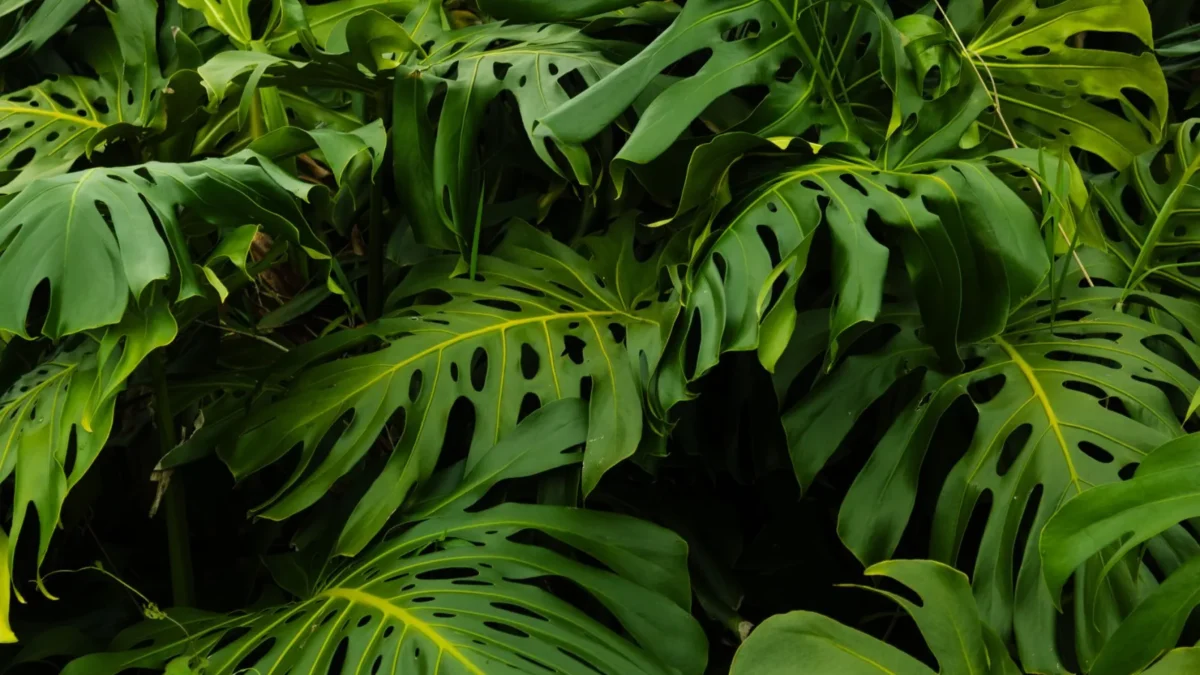
Monstera deliciosa is one of the easiest large tropical houseplants to grow well, and with the right understanding of its needs, you can keep yours thriving for years. This guide covers everything you need to know to save a struggling monstera plant—from correcting watering mistakes to providing proper light—plus how to maintain a healthy specimen from the start.
| Botanical name | Monstera deliciosa |
|---|---|
| Light | 6-8 hours bright indirect light daily; tolerates low light but grows faster in bright indirect conditions; avoid direct |
| Watering | Water when top 2-3 inches of soil are dry; every 1-2 weeks typically; summer 7-10 days, winter 2-4 weeks |
| Humidity | Above 50%; ideally 60% or higher; use pebble tray or humidifier; avoid misting |
| Temperature | 65-85°F (18-29°C); avoid temperatures below 55°F (13°C) and cold drafts |
| Soil | Well-draining, chunky mix with perlite and orchid bark; neutral to slightly acidic pH 5.5-7 |
| Feeding | Balanced water-soluble fertilizer every 2-4 weeks during spring and summer growing season |
| Size | Up to 8-10 feet tall indoors; leaves up to 2 feet wide |
| Difficulty | easy |
| Cats | ⚠️ toxic — Calcium oxalate crystals cause mouth irritation, drooling, vomiting |
| Dogs | ⚠️ toxic — Calcium oxalate crystals cause mouth irritation, drooling, vomiting |
Key points
– Water when the top 2-3 inches of soil are dry; typically every 1-2 weeks, but frequency varies with season and conditions
– Place your monstera in bright indirect light for 6-8 hours daily; it will grow faster and develop the characteristic split leaves better with adequate light
– Keep humidity above 50%, ideally 60% or higher, using a pebble tray or humidifier rather than misting
– Maintain temperatures between 65-85°F and avoid cold drafts or sudden temperature swings
– Use a chunky, well-draining soil mix with perlite and orchid bark to prevent root rot
– Most monstera problems stem from incorrect watering or light; diagnosis and correction often revive the plant quickly
Light Requirements for Your Monstera
Indoor Monstera plants flourish best with 6 to 8 hours of bright, indirect light daily. This is the sweet spot for both growth and leaf fenestration—the characteristic leaf splits that make these plants so striking. Without enough light, your monstera will stay smaller, leaves won’t develop their famous holes, and growth will slow noticeably.
Monstera tolerates low light, but grows faster and becomes more dramatic in a spot with indirect bright light. The difference is substantial: a plant in bright conditions will visibly outpace one in dim corners.
For practical placement, east or west-facing windows work best. Position the plant 3 to 5 feet back from an east or west window, or 4 to 6 feet back from a south window with sheer curtains to filter the sun. Direct sunlight, especially during peak hours of the day, can scorch the leaves and cause damage. If you notice brown patches or leaf burn appearing, move the plant slightly back from the window or add a sheer curtain between the plant and direct rays.
If your monstera is drooping and the soil isn’t particularly dry, light deficiency could be the problem. When Monsteras lack sufficient natural light, they stretch their stems longer and longer to reach for more light, creating thinner, more top-heavy growth that naturally droops.
Watering Your Monstera: How Often and How Much
Incorrect watering is the most common reason monstera plants fail. The key principle is simple: water when the top 2-3 inches of soil are dry. This typically falls around every 1-2 weeks, but the exact frequency depends on your home’s temperature, humidity, pot size, and season. Sticking to a fixed schedule is far less effective than checking the soil first.
Checking soil moisture
Insert your finger into the soil up to the second knuckle. If the soil feels dry at this depth, it’s time to water. Alternatively, use a wooden stick or chopstick to probe the soil; if it comes out clean or only slightly damp, the plant needs water.
Seasonal watering frequency
In summer, most Monsteras need watering every 7–10 days. In winter, that stretches to every 2–4 weeks as growth slows and evaporation decreases. Spring and summer follow a similar rhythm to summer, with watering every 7-10 days being typical.
Proper watering technique
Use the soak-and-dry method: water thoroughly until the soil is evenly saturated, then let it dry out before watering again. Monsteras want a thorough soaking followed by a meaningful dry-down. This approach prevents both underwatering and root rot.
Alternate between top watering to flush out salts and bottom watering to encourage deep root growth. Top watering helps prevent mineral buildup from tap water, while bottom watering encourages roots to grow deeper into the pot.
Humidity and Temperature Needs
Humidity for healthy growth
Aim for indoor temperatures between 65°F and 85°F (18°C to 29°C), and try to keep humidity levels above 50%. Monstera is a tropical plant that loves humidity above 50%. However, the difference between tolerating 50% and enjoying 60% or higher is dramatic. A monstera deliciosa can adapt to average household humidity (around 40%), but providing humidity levels of 60% or higher unlocks an entirely different speed of growth.
In most homes, average indoor humidity sits at 30-40%, which is tolerable but suboptimal. Low humidity slows growth and can cause leaf edge browning.
Raising humidity effectively
Fill a tray with pebbles and water, then place the pot on top. Evaporation increases local humidity. A small cool-mist humidifier placed nearby makes a measurable difference; aim for 50-60%.
Despite common advice, misting Monstera leaves provides only a brief humidity spike and can encourage fungal issues on the leaves. Consistent ambient humidity is far better.
Temperature requirements
Monstera thrives best in temperatures between 65°F and 85°F (18°C to 29°C). The plant dislikes cold drafts, air conditioning vents, and temperatures below 55°F (13°C). If the temperature drops below roughly 13°C for prolonged periods, this can seriously damage and even kill the plant.
Abrupt temperature changes can cause drooping, so keep your plant away from heating vents, air conditioning units, and drafty windows in winter.
Soil and When to Repot Your Monstera
The right soil mix
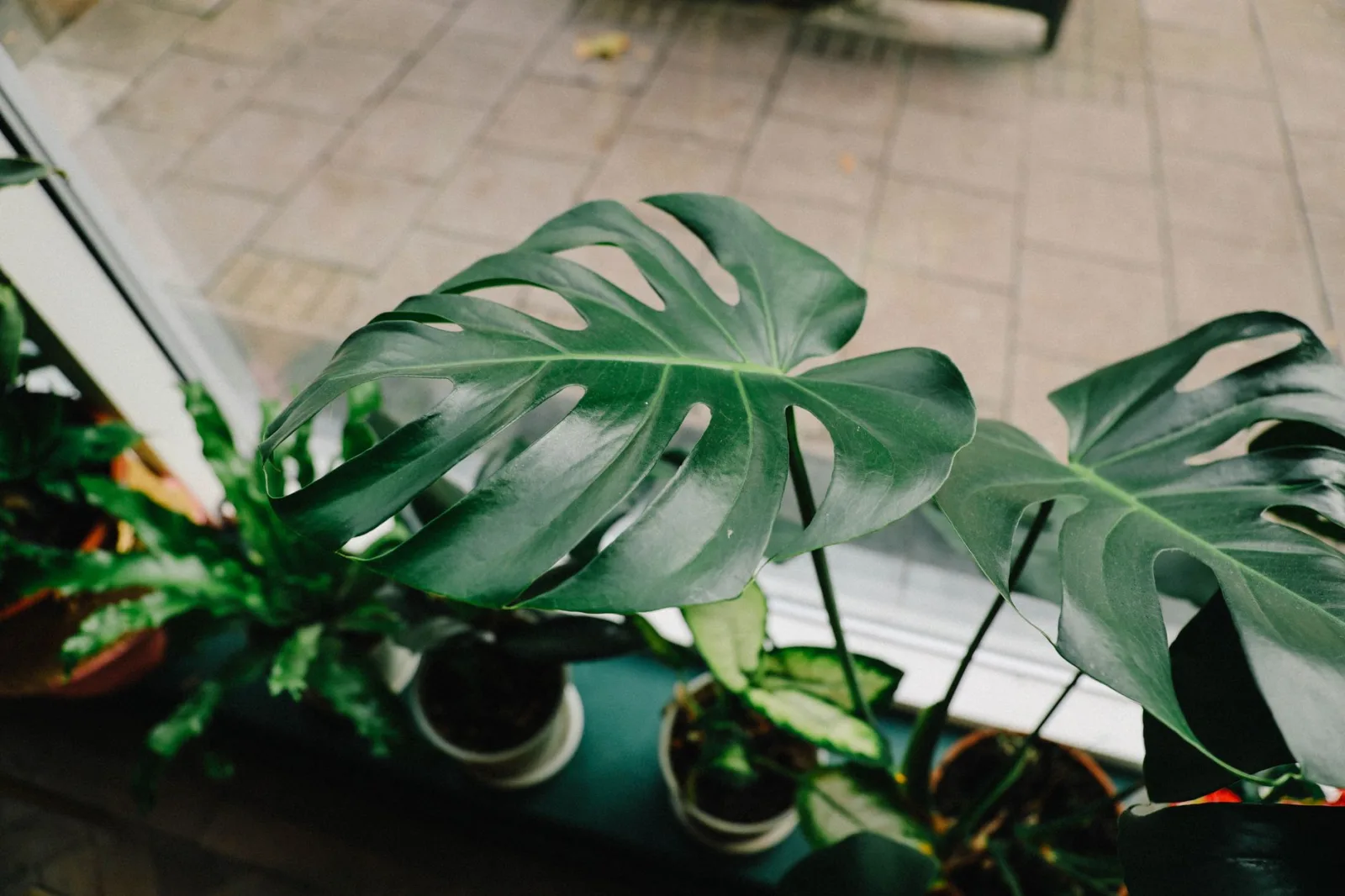
Monsteras like soil that drains well and is loamy with neutral or slightly acidic pH (5.5 to 7). Standard potting soil is too dense and moisture-retentive for Monstera roots, which need excellent drainage and aeration. Monstera thrives in a chunky, well-aerated soil mix rather than standard potting soil.
A practical mix is 40% potting soil, 30% orchid bark, 20% perlite, and 10% compost. This keeps the medium light and airy while retaining enough moisture for healthy roots. If you prefer simplicity, use any potting mix that includes perlite and has a chunky texture.
When to repot
Repot every two years regardless to inspect root health before problems develop. This gives you a chance to catch root rot early and refresh the soil, which can become depleted over time.
If roots are soft and mushy during repotting, trim affected roots with clean scissors and repot into fresh aroid mix—a blend of potting soil, perlite, and orchid bark drains well while retaining enough moisture for healthy roots.
Feeding and Fertilizing
Fertilize on a bi-weekly or monthly basis during the growing season (spring and summer) using a balanced, water-soluble fertilizer applied at the time of watering. Every 2-4 weeks is a safe range; monthly feeding is gentler if you’re unsure. Stop fertilizing in autumn and winter when growth naturally slows.
Over-fertilizing your Monstera can cause the leaves to turn brown, with spots appearing as black and brown discoloration all over the leaf. If you suspect overfertilization or your plant is drooping despite adequate watering, flush the soil with water to leach out excess salts, then reduce feeding frequency.
Pruning and Encouraging Leaf Splits
Pruning keeps your monstera at a manageable size and encourages fuller, bushier growth. When you remove a stem, the plant directs energy into branching at nearby nodes rather than growing taller.
The characteristic leaf splits, called fenestrations, appear when the plant is mature and receiving adequate light. Insufficient light can result in stunted growth, smaller leaves, and the absence of the plant’s characteristic fenestrations. If your monstera stops splitting leaves, the first thing to check is light; a move to a brighter spot often restarts the process within weeks.
Your monstera can grow rapidly when provided with the right care, often reaching heights of up to 10 feet indoors. With everything it needs, a mature plant can reach 8 feet tall with large leaves that can be two feet wide. Regular pruning helps keep the plant at a size that fits your space.
Propagating Your Monstera
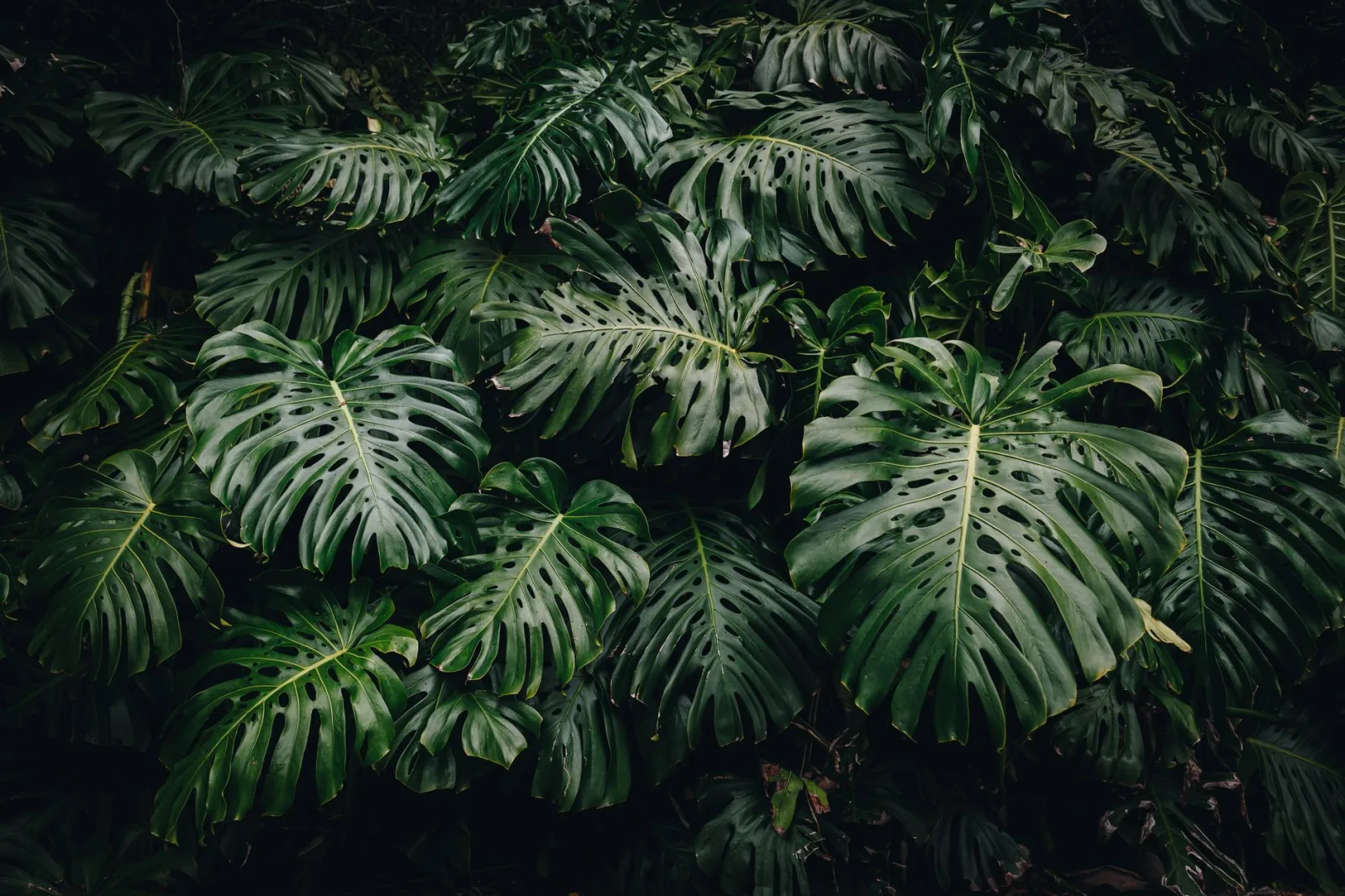
Monstera propagates easily from cuttings taken just below a node. Cut a 6-8 inch section that includes at least one or two nodes and aerial roots if possible. Place the cutting in water or moist potting mix, keeping humidity high.
Be aware that the leaves, stems, and fresh cuttings contain insoluble calcium oxalates that can cause painful mouth irritation, drooling, vomiting, and difficulty swallowing if ingested by pets. Wash your hands after handling cuttings and keep them away from cats and dogs.
Roots typically form within 2-4 weeks in water or moist soil. Once roots are 1-2 inches long, transfer the cutting to potting mix and treat it as you would a mature plant.
Common Problems and How to Fix Them
Why are my monstera leaves turning yellow?
Yellowing leaves usually signal overwatering. Drooping and wilting is just one of the many signs of an overwatered monstera; you should also keep an eye out for yellowing leaves, mushy stems, and soggy soil that doesn’t dry out. When soil is too wet, water fills the air holes and prevents oxygen from reaching roots. Without oxygen, roots cannot take up water and nutrients, causing the plant to suffer even though it seems wet.
Allow the soil to dry completely before the next watering. If roots are soft and mushy, trim affected roots with clean scissors and repot into fresh aroid mix.
Monstera leaves turning brown or yellow: humidity and underwatering issues
Brown leaf tips or edges have several causes. Low humidity causes brown spots on a Monstera leaf because the plant takes in a lot of its water through the leaves. When there isn’t enough moisture in the air, the leaf will dry out and turn brown, starting at the tip and spreading down the edges, giving the leaf a papery texture.
Fix this by using a pebble tray or humidifier to raise ambient humidity.
Light brown edges mean your monstera deliciosa needs more water. Consider watering more often or giving it more water per session. Check that water is actually reaching the bottom of the pot; if the soil dries too fast or water runs straight through, repot into fresh, appropriate mix.
Exposure to direct sunlight for extended periods can cause the leaves to turn brown and scorch them. Move to a place with indirect light.
Tap water mineral buildup from fluoride, chlorine, or dissolved salts in mains water produces a similar dry, brown tip but tends to appear regardless of season and often comes with a faint white crust on the soil surface. Switch to filtered, distilled, or rainwater for three to four waterings to see if the browning stops.
Dark brown spots or patches on leaves
Dark brown spots or patches on your leaves likely mean the plant is getting too much water and causing root rot. If you add moisture to the soil when it is still wet, the roots won’t be able to breathe, leading to fungal growth that attacks the roots. This can cause brown or black spots to develop on the leaves and stems as the rot spreads throughout the plant. Dark brown patches with yellow halos on wet mix suggest root stress.
Allow the soil to dry completely before the next watering. If roots are soft and mushy, trim affected roots with clean scissors and repot into fresh aroid mix.
Why is my monstera droopy?
Drooping has multiple causes, and diagnosis is key to saving your plant.
The most common cause of drooping in monstera plants is underwatering. If your Monstera does not have enough water, its leaves begin to wither, edges may turn brown, and stems bend. One of the earlier signs of underwatering is drooping leaves; if the stems and leaves look lifeless, the soil has likely been dry for too long. Check the soil first: stick a finger in the top few centimetres of soil to check moisture.
However, drooping can also occur from overwatering. Soil that is too wet can cause drooping because water fills the air holes in the soil, leaving no room for oxygen. If soil has been consistently wet, ease back on watering frequency and ensure the pot has drainage holes.
If the soil isn’t particularly dry, it could be a lack of humidity causing your monstera’s leaves to droop. A lack of humidity in the air can cause leaves to be limp and droop down. Use a humidifier or place your Monstera near a pebble tray with water.
Insufficient light can also cause drooping. When Monsteras grow in dim conditions, they develop longer, thinner, more top-heavy stems that are more likely to droop.
Above 85°F combined with direct afternoon sun and low humidity, transpirational water loss accelerates beyond what roots can supply, causing leaves to droop and curl inward as a water-conservation response.
Insects like spider mites, mealybugs, thrips, and others can suck juices from your monstera’s leaves and stems, causing it to droop from lack of turgor pressure. If you notice droopiness along with small red or brown dots, cottony webbing, sticky residue, or actual insects, act quickly to treat the infestation.
Abrupt temperature change—usually from warm to cold—can cause drooping. Overfertilization can also cause a monstera plant to droop.
Why are my monstera leaves curling?
Leaf curling usually occurs when conditions are too hot and dry. Above 85°F combined with direct afternoon sun and low humidity, transpirational water loss accelerates beyond what roots can supply, causing leaves to droop and curl inward as a water-conservation response. Move the plant to a cooler, more humid spot, away from direct sun, and ensure the soil is consistently moist during heat waves.
Underwatered plants can also curl their leaves; monstera plants that are underwatered can wilt, curl, and even drop their leaves before dying. Check the soil and water if needed.
Is Monstera Toxic to Cats and Dogs?
Monstera deliciosa is toxic to dogs and toxic to cats, with the toxic principles being calcium oxalate crystals. The leaves, stems, and fresh cuttings contain insoluble calcium oxalates that can cause painful mouth irritation, drooling, vomiting, and difficulty swallowing.
The main toxic agent present in the plant is needle-like, insoluble calcium oxalate crystals. Monstera tissues contain insoluble calcium oxalate crystals shaped like tiny needles, often called raphides; when plant tissue is chewed or sap contacts sensitive tissue, those crystals can cause mechanical irritation and inflammation.
If your cat just chewed a leaf, you can almost certainly relax: it’s uncomfortable, but it’s not a kidney-failure plant. However, if a pet ingests a large amount or shows severe symptoms like difficulty breathing, contact a veterinarian.
Keep your monstera out of reach of curious cats and dogs, and wash your hands after pruning or propagating.
FAQ
How big does a monstera get indoors?
When provided with the right care, Monsteras can grow rapidly, often reaching heights of up to 10 feet indoors. With everything it needs, a mature plant can reach 8 feet tall (2.4 m) with large leaves that can be two feet wide.
How often should I water my monstera?
Water when the top 2-3 inches of soil are dry, which typically falls around every 1-2 weeks. In summer, water every 7-10 days; in winter, every 2-4 weeks. Always check the soil first rather than following a fixed schedule.
Why won’t my monstera develop leaf splits?
Monster will not develop leaf perforations when light is inadequate, even under fluorescent lamps that keep the plant alive. Move your plant to a brighter location with 6-8 hours of indirect light daily to encourage fenestrations.
What humidity level does monstera need?
Aim for humidity above 50%, ideally 60% or higher. Use a pebble tray or humidifier to raise humidity; misting provides only brief benefit and can encourage fungal issues.
What’s the best soil for monstera?
Monstera needs chunky, well-draining soil with perlite and orchid bark. A mix of 40% potting soil, 30% orchid bark, 20% perlite, and 10% compost works well. Standard potting soil is too dense and leads to root rot.
What temperature should I keep my monstera at?
Maintain temperatures between 65°F and 85°F (18°C and 29°C). Avoid temperatures below 55°F (13°C) and keep the plant away from cold drafts and heating vents.
More about Monstera
Sources
Photo: David Correa Franco / Pexels, Pexels