Monstera Monstera deliciosa
Why Is My Monstera Droopy or Wilting
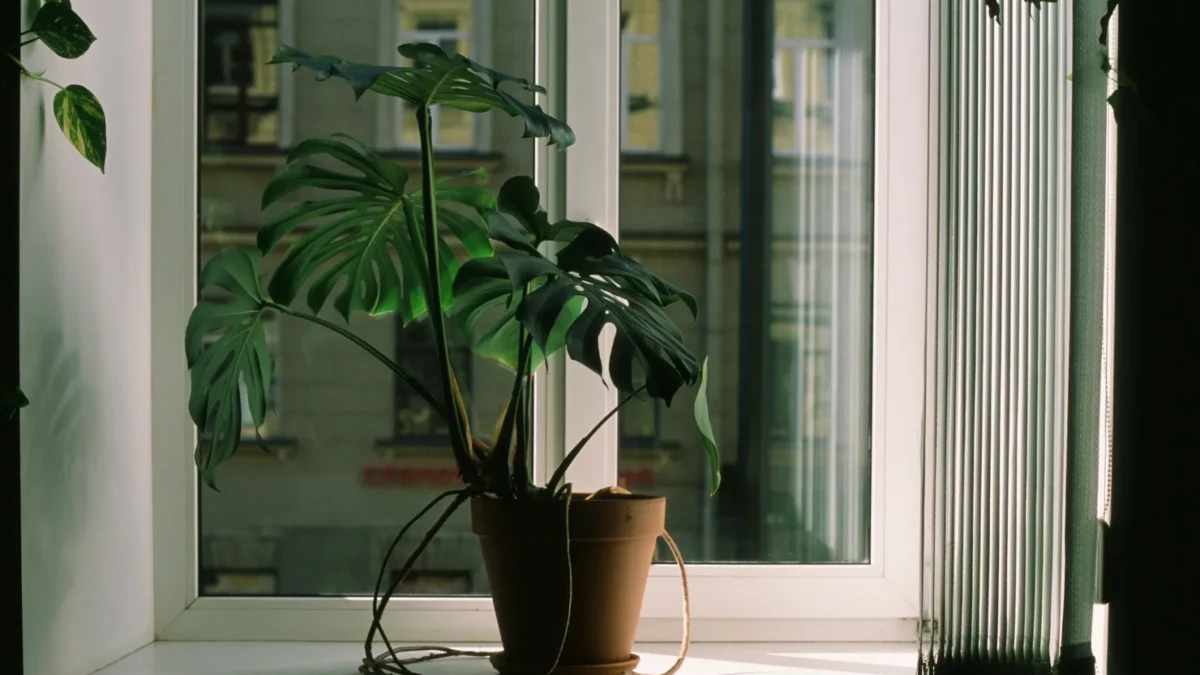
Quick answer: Your Monstera is droopy most likely because it’s underwatered, overwatered, or the air humidity is too low. Check the soil moisture and air humidity around your plant—these are the two fastest fixes for a drooping Monstera.
| Botanical name | Monstera deliciosa |
|---|---|
| Light | 6-8 hours bright indirect light daily; tolerates low light but grows faster in bright indirect conditions; avoid direct |
| Watering | Water when top 2-3 inches of soil are dry; every 1-2 weeks typically; summer 7-10 days, winter 2-4 weeks |
| Humidity | Above 50%; ideally 60% or higher; use pebble tray or humidifier; avoid misting |
| Temperature | 65-85°F (18-29°C); avoid temperatures below 55°F (13°C) and cold drafts |
| Soil | Well-draining, chunky mix with perlite and orchid bark; neutral to slightly acidic pH 5.5-7 |
| Feeding | Balanced water-soluble fertilizer every 2-4 weeks during spring and summer growing season |
| Size | Up to 8-10 feet tall indoors; leaves up to 2 feet wide |
| Difficulty | easy |
| Cats | ⚠️ toxic — Calcium oxalate crystals cause mouth irritation, drooling, vomiting |
| Dogs | ⚠️ toxic — Calcium oxalate crystals cause mouth irritation, drooling, vomiting |
| What you see | Likely cause | What to do |
|---|---|---|
| Dry soil, crispy leaf edges | Underwatering | Water thoroughly when top 2-3 inches of soil are dry |
| Soggy soil, yellowing leaves | Overwatering | Let soil dry out; trim mushy roots and repot into fresh aroid mix |
| Limp leaves, soil not soggy | Low humidity | Use a pebble tray or humidifier; aim for 50% or higher |
| Long thin stems, pale leaves | Insufficient light | Move to a spot with 6-8 hours of bright indirect light daily |
| Sudden drooping after temperature drop | Cold shock | Keep plant between 65–85°F (18–29°C); avoid temperatures below 55°F (13°C) |
| Small insects, sticky residue | Pest infestation | Inspect undersides of leaves; treat with neem oil or insecticidal soap |
Underwatering: The Most Common Cause
Underwatering is the top reason your Monstera droops. When the soil dries out for too long, the plant cannot deliver water and nutrients to its leaves, causing them to wilt and sag.
Check soil moisture by inserting your finger up to the second knuckle—if it feels dry, water immediately. During summer, most Monsteras need watering every 7–10 days; in winter, stretch it to every 2–4 weeks. Use the soak-and-dry method: water thoroughly until it drains from the bottom, then let it dry out before watering again.
Overwatering and Root Rot
Overwatering is equally destructive. When soil stays wet, it squeezes out oxygen and roots cannot breathe. Watch for yellowing leaves, mushy stems, and soil that doesn’t dry out—these signal root rot.
If roots are soft and mushy, trim the affected roots with clean scissors and repot into fresh aroid mix (a blend of potting soil, perlite, and orchid bark). Then allow the soil to dry completely before the next watering.
Low Humidity and Light
Drooping can also come from air that’s too dry. Monstera thrives when humidity stays above 50%; ideally 60% or higher. Use a pebble tray with water beneath the pot or place a cool-mist humidifier nearby. Misting leaves provides only brief relief and can encourage fungal problems, so consistent ambient humidity is far better.
Insufficient light also causes drooping stems to stretch and weaken. Place your Monstera near an east or west-facing window 3–5 feet back, or a south window 4–6 feet back with sheer curtains.
Temperature and Other Factors
Abrupt temperature swings cause drooping too. Keep your plant between 65–85°F (18–29°C) and avoid cold drafts or temperatures below 55°F (13°C).
Pests like spider mites and mealybugs suck juices from leaves and stems, weakening turgor pressure. Look for small red or brown dots, webbing, or sticky residue on the undersides of leaves and stems.
FAQ
How do I know if my Monstera is underwatered or overwatered?
Underwatered soil feels bone-dry; overwatered soil stays soggy and may smell musty. Check the top 2–3 inches with your finger. Underwatered plants have crispy leaf edges; overwatered ones show yellowing and soft stems.
Can drooping Monstera leaves recover?
Yes, if you identify and fix the cause quickly. Water underwatered plants thoroughly, improve humidity, or repot if roots are rotting. Recovery takes a few days to a week once conditions improve.
Read the full guide: Monstera Care: The Complete Guide
More about Monstera
Sources
- Monstera Deliciosa Care: The Complete Guide (2026)
- Why is my Monstera drooping? Causes and Solutions
- florasense.com
Photo: Elena Golovchenko / Pexels, Pexels