Monstera Monstera deliciosa
Why Are My Monstera Leaves Curling: Causes & How to Fix
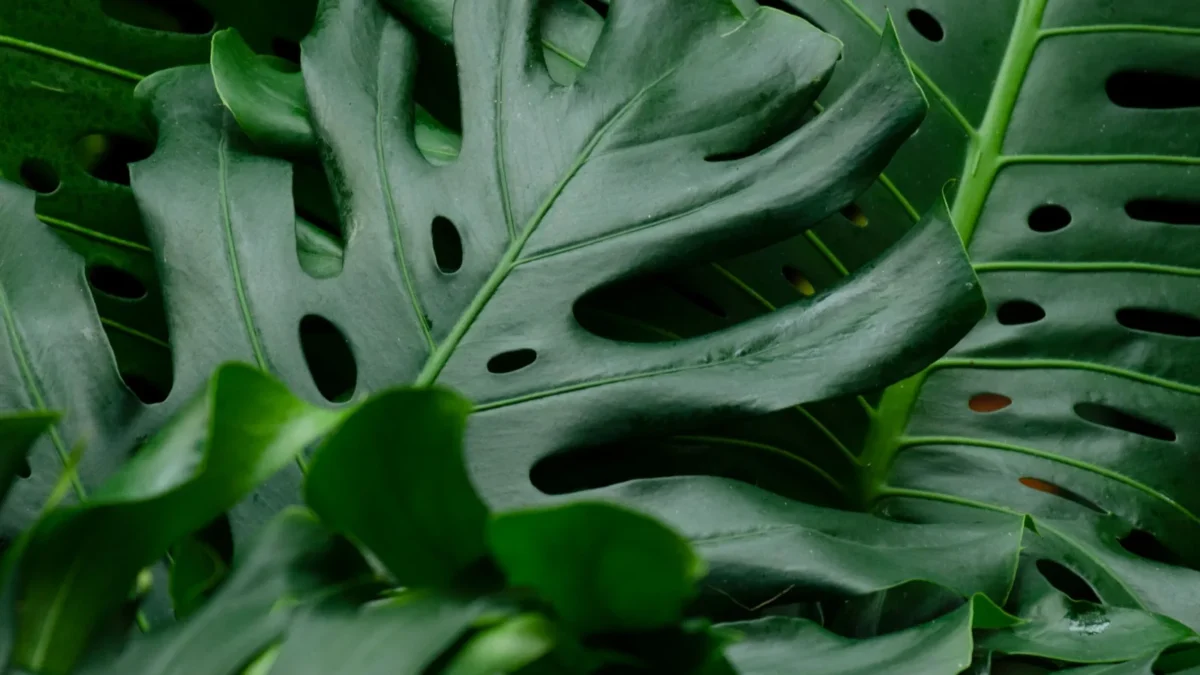
Quick answer: Monstera leaves curl inward most often because of heat stress combined with low humidity and direct sun, or because the soil has dried out too much. Check your watering, humidity, and light—one of these is usually the problem.
| Botanical name | Monstera deliciosa |
|---|---|
| Light | 6-8 hours bright indirect light daily; tolerates low light but grows faster in bright indirect conditions; avoid direct |
| Watering | Water when top 2-3 inches of soil are dry; every 1-2 weeks typically; summer 7-10 days, winter 2-4 weeks |
| Humidity | Above 50%; ideally 60% or higher; use pebble tray or humidifier; avoid misting |
| Temperature | 65-85°F (18-29°C); avoid temperatures below 55°F (13°C) and cold drafts |
| Soil | Well-draining, chunky mix with perlite and orchid bark; neutral to slightly acidic pH 5.5-7 |
| Feeding | Balanced water-soluble fertilizer every 2-4 weeks during spring and summer growing season |
| Size | Up to 8-10 feet tall indoors; leaves up to 2 feet wide |
| Difficulty | easy |
| Cats | ⚠️ toxic — Calcium oxalate crystals cause mouth irritation, drooling, vomiting |
| Dogs | ⚠️ toxic — Calcium oxalate crystals cause mouth irritation, drooling, vomiting |
What’s causing Monstera leaves to curl
| What you see | Likely cause | What to do |
|---|---|---|
| Curled inward leaves, especially in warm spots with afternoon sun | Heat stress + low humidity + transpiration loss | Move away from direct sun; increase humidity to 50%+ with a pebble tray or humidifier; check soil moisture |
| Wilted, curled leaves; dry soil | Underwatering | Water when top 2–3 inches feel dry; typically every 1–2 weeks |
| Curled leaves; warm temperature above 85°F | Direct afternoon sun + heat | Move to a spot with bright, indirect light away from direct rays |
| Limp, drooping leaves; damp soil | Overwatering or low humidity | Allow soil to dry out before next watering; increase humidity |
| Curled edges; brown or papery texture | Low humidity | Raise humidity above 50% with a pebble tray or humidifier |
Heat stress and direct sun
The most common reason Monstera leaves curl is a combination of factors: above 85°F, direct afternoon sun, and low humidity all together cause water to evaporate from the leaves faster than the roots can replace it. As a defense, the plant curls its leaves inward to reduce surface area and water loss.
Direct sunlight during peak hours can scorch the leaves outright. Move your plant to a spot with 6 to 8 hours of bright, indirect light daily. East or west-facing windows 3 to 5 feet back work well, or south windows 4 to 6 feet back with sheer curtains.
Underwatering
Dry soil is another major trigger for curling leaves. When soil stays dry too long, the plant cannot absorb enough water to keep leaves firm and open.
Water when the top 2–3 inches of soil feel dry to the touch. In summer, this typically means watering every 7–10 days; in winter, every 2–4 weeks. Use the soak-and-dry method: water thoroughly until water drains out, then let the soil dry meaningfully before watering again.
Low humidity
Monsteras are tropical plants and need humidity above 50%; ideally 60% or higher. In most homes, indoor humidity sits at 30–40%, which can cause leaf edges to brown and leaves to droop or curl.
Boost humidity without misting (which can encourage fungal problems on leaves). Instead, place your pot on a pebble tray filled with water—evaporation raises local humidity. Or use a small cool-mist humidifier placed nearby.
Temperature stress
Keep your Monstera between 65°F and 85°F (18–29°C). Avoid temperatures below 55°F and cold drafts, as they can damage the plant. If temperatures spike above 85°F, combined with direct sun and low humidity, leaves will curl as the plant tries to conserve water.
FAQ
Can I straighten curled Monstera leaves?
Once a leaf has curled, it will not fully uncurl. However, new growth will emerge healthy and unfurled once you fix the underlying cause—whether that’s improving humidity, reducing direct sun, or adjusting watering.
Is leaf curling permanent damage?
No. If you address the cause promptly—increasing humidity, moving away from direct sun, or watering correctly—your Monstera will produce healthy, flat new leaves. Existing curled leaves may not recover, but they won’t spread damage to new growth.
Read the full guide: Monstera Care: The Complete Guide
More about Monstera
The same problem in other plants
Sources
- Monstera Deliciosa Care: The Complete Guide (2026)
- florasense.com
- 11 Reasons Why are My Monstera Leaves Drooping (With Effective Solutions!)
Photo: Yufan Jiang / Pexels, Pexels