Money Tree Pachira aquatica
Why Are My Money Tree Leaves Turning Yellow
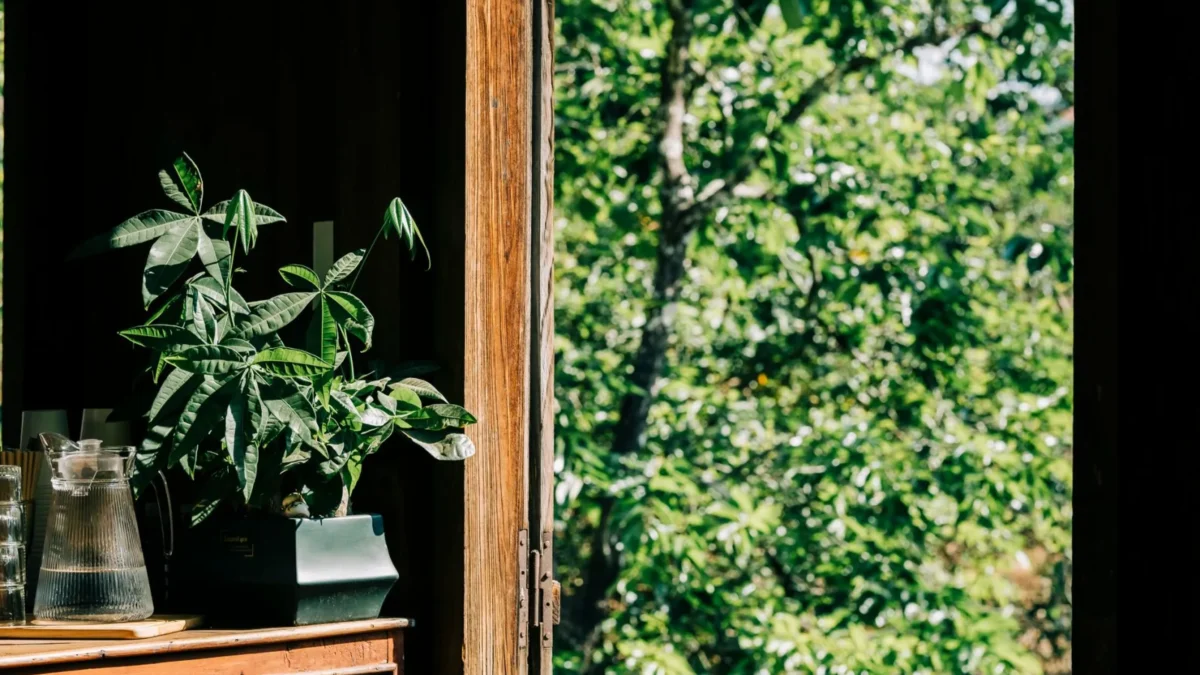
Quick answer: Why is my money tree turning yellow? Yellow leaves are most commonly caused by overwatering, but can also result from low light, nutrient deficiency, or natural aging of older leaves. Check your soil moisture first, then adjust watering, light, or feeding based on what you find.
| Botanical name | Pachira aquatica |
|---|---|
| Light | bright indirect light; tolerates partial shade; avoid direct sun 10am-3pm |
| Watering | water when top 2-3 inches of soil completely dry; every 1-2 weeks spring/summer; every 3-5 weeks fall/winter |
| Humidity | around 50% humidity; at least 50% to thrive; use pebble tray, humidifier, or misting |
| Temperature | 65-90°F (18-32°C); avoid cold drafts |
| Soil | well-draining; neutral to acidic pH; peat, perlite, sand mix |
| Feeding | balanced liquid fertilizer every 4-6 weeks spring/summer at half-strength; every 2-3 months fall/winter |
| Size | up to 1.5m in pot; reaches 20m in tropical habitat |
| Difficulty | easy |
| Cats | ✓ non-toxic |
| Dogs | ✓ non-toxic |
| What you see | Likely cause | What to do |
|---|---|---|
| Yellow leaves throughout, especially lower leaves; wilting despite wet soil; musty smell from soil | Overwatering or root rot | Let soil dry out more between waterings; water only when top 2–3 inches are dry; ensure pot has drainage holes; repot if soil smells sour |
| Pale yellow or crispy leaves; plant looks droopy | Underwatering | Water more frequently; check soil with your finger or a moisture meter |
| Lower leaves only turning yellow | Natural aging | No action needed; this is normal as the plant makes way for new growth |
| Overall yellowing; slow growth; pale appearance | Low light or nutrient deficiency | Move closer to bright indirect light; feed with balanced liquid fertilizer at half-strength every 4–6 weeks in spring and summer |
| Pale yellow patches at leaf edges, spreading inward; leaves crisp and drop within days | Direct midday sun | Move away from direct sunlight, especially between 10 a.m. and 3 p.m. |
Overwatering: the most common cause
Overwatering is by far the most common reason why money tree leaves turn yellow. The problem is that most people water on a fixed schedule rather than checking the soil first.
Water your money tree only when the top 2–3 inches of soil are completely dry. This typically means every 1–2 weeks in spring and summer, and every 3–5 weeks in fall and winter, but the exact timing depends on your pot size, soil type, and how much light your plant receives. Always use your finger, a chopstick, or a moisture meter to test before watering.
If you’ve been overwatering, look for generalized yellow leaves—especially the lower ones—combined with wilting, even though the soil is wet. A sour or musty smell from the soil is a sign that root rot has begun. Caught early, your money tree can recover: let the soil dry out more between waterings, and empty any water that collects in the saucer underneath. If the roots have turned black and mushy and the stem feels soft, you may need to repot the plant into fresh, well-draining soil.
Low light and nutrient deficiency
Money trees should be grown in bright indirect light or partial shade. Low light will cause the leaves to pale and yellow. Move your plant closer to a window, but avoid direct sun between 10 a.m. and 3 p.m., which causes rapid leaf scorch with pale yellow or bleached patches that spread and crisp within days.
A lack of essential nutrients, particularly nitrogen, can also cause yellowing leaves. If your plant looks pale overall and growth has slowed, feed it with a balanced liquid fertilizer at half-strength every 4–6 weeks during spring and summer. Reduce feeding to once every 2–3 months in fall and winter when the plant grows more slowly.
Natural aging
If only the lower leaves are turning yellow and the rest of the plant looks healthy, this is completely normal. As your money tree grows, it naturally sheds older lower leaves to make way for new growth. No action is needed.
How to prevent yellowing leaves
Check your soil moisture before every watering—this single habit prevents most problems. Keep your money tree in bright indirect light, maintain humidity around 50% using a pebble tray, humidifier, or misting, and keep temperatures between 65 and 90°F. Feed during the growing season and empty water from saucers promptly. Following these steps will keep your money tree healthy and green.
Read the full guide: Money Tree Care: The Complete Guide
More about Money Tree
The same problem in other plants
- Why Are My Dieffenbachia Leaves Turning Yellow?
- Why Are My Chinese Evergreen Leaves Turning Yellow?
- Why Are My Prayer Plant Leaves Turning Yellow? Complete Solutions
- Why Are My Dracaena Marginata Leaves Turning Yellow?
Sources
- How Often to Water Money Tree Plant: A Science-Backed Guide
- Money Tree Care 101: This Plant Care Routine is Ideal for Newbie Plant Parents – Bob Vila
- Why Does My Money Tree Have Yellow Leaves? (Pachira aquatica) – Smart Garden Guide
Photo: Kha Ruxury / Pexels, Pexels