Peperomia Peperomia obtusifolia
Why Are My Peperomia Leaves Turning Yellow?
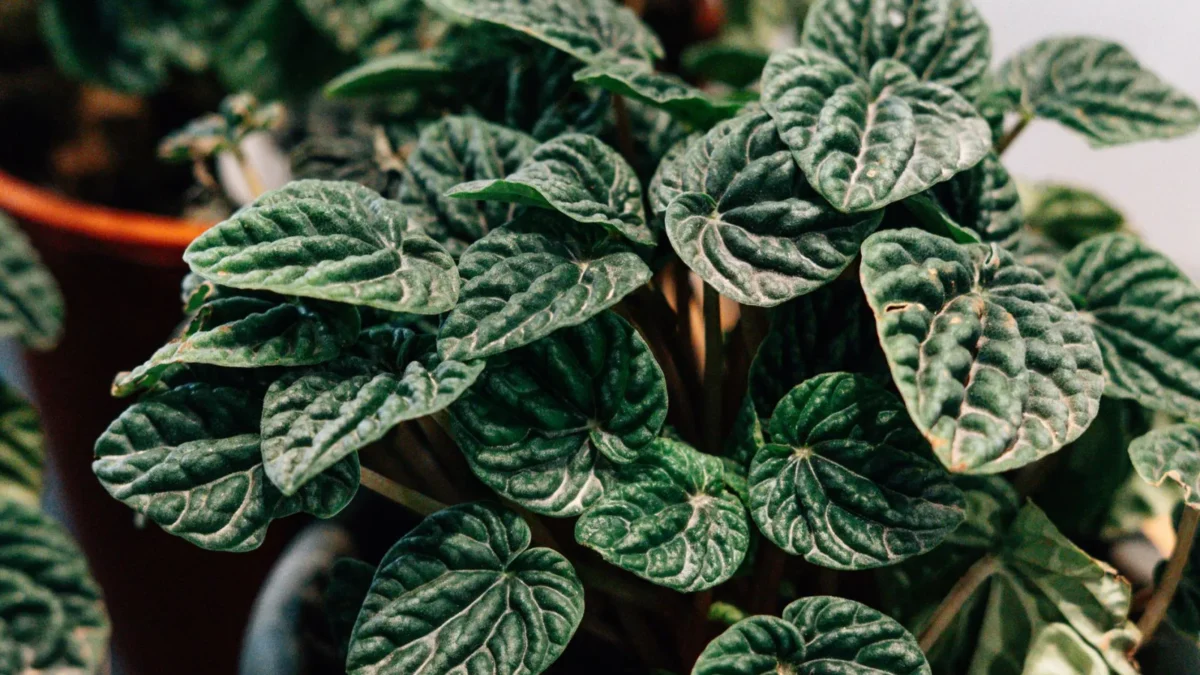
Quick answer: Peperomia leaves turning yellow is usually caused by overwatering, which leads to root rot, but poor light and nutrient deficiencies can also be responsible. Identify which problem your plant has by checking the soil moisture, light conditions, and feeding schedule, then adjust accordingly.
| Botanical name | Peperomia obtusifolia |
|---|---|
| Light | Bright indirect light; avoid direct sun which scorches leaves and deep shade which causes weak growth |
| Watering | Let top few centimetres of compost dry before watering; spring/summer every 10-14 days; autumn/winter every 21-28 days |
| Humidity | Prefers humid air; adapts to lower home humidity; consider humidified room or wet pebbles in summer |
| Temperature | Optimal 18-24°C; tolerated range 15-30°C; keep above 10°C to avoid cellular damage |
| Soil | Peat-based potting mix with 30% inorganic component (perlite, pumice, or horticultural grit); well-draining and nutrient |
| Feeding | Balanced liquid fertiliser every 4-6 weeks during spring and early summer |
| Size | Typically 12 inches tall as a houseplant with thick erect stems |
| Difficulty | easy |
| What you see | Likely cause | What to do |
|---|---|---|
| Yellow leaves, soggy soil, bad smell from pot | Overwatering and root rot | Let soil dry more between waterings; water only when top 50-75% is dry |
| Yellow leaves, otherwise healthy looking | Nutrient deficiency | Apply balanced liquid fertiliser every 4–6 weeks during spring and early summer |
| Yellow leaves, pale and drooping | Insufficient light | Move plant to bright indirect light |
| Yellowing plus fine webbing or stippling | Spider mites | Spray leaves thoroughly; isolate plant from others |
| Yellow leaves, plant otherwise dry | Underwatering (if prolonged) | Water more consistently; check soil before each watering |
Overwatering is the main culprit
The number one reason peperomia leaves turn yellow is overwatering. These plants store water in their thick leaves, which means they tolerate drought far better than soggy conditions. Overwatering causes root rot in persistently damp soil, and once roots fail, the plant cannot absorb nutrients or water, even if the soil looks moist.
To fix this, let the top few centimetres of compost dry before watering. In spring and summer, water every 10–14 days; in autumn and winter, stretch this to every 21–28 days. When you do water, do so until water flows freely from the drainage hole at the bottom of the pot, then allow excess to drain completely. If you notice a foul smell from the pot, the roots are rotting—repot the plant into fresh, well-draining soil immediately.
Poor light and nutrient deficiencies
If the soil moisture is correct but leaves are still yellowing, check your light. Peperomias thrive in bright indirect light. Direct sun scorches leaves, but deep shade causes weak growth and yellowing. Move your plant to a spot where it receives bright, filtered light throughout the day.
Yellowing can also signal that your plant is not getting enough nutrients. During the growing season (spring and early summer), apply a balanced liquid fertiliser every 4–6 weeks. This provides the nutrients needed to maintain healthy, green foliage.
Preventing peperomia leaves from turning yellow
The best prevention is consistent, moderate watering—let the soil almost dry on top before rewatering. Ensure your plant sits in bright indirect light away from direct sun, and feed it monthly during spring and summer. Check soil moisture with your finger before watering; if the top half still feels damp, wait another day or two. These forgiving, low-maintenance plants are easy to keep healthy once you dial in the right routine.
Read the full guide: Peperomia Care: The Complete Guide
More about Peperomia
The same problem in other plants
- Why Are My Prayer Plant Leaves Turning Yellow? Complete Solutions
- Why Are My Money Tree Leaves Turning Yellow?
- Why Are My Dracaena Marginata Leaves Turning Yellow?
- Why Are My Hoya Carnosa Leaves Turning Yellow?