Cast Iron Plant Aspidistra elatior
Is Cast Iron Plant Toxic to Cats and Dogs?
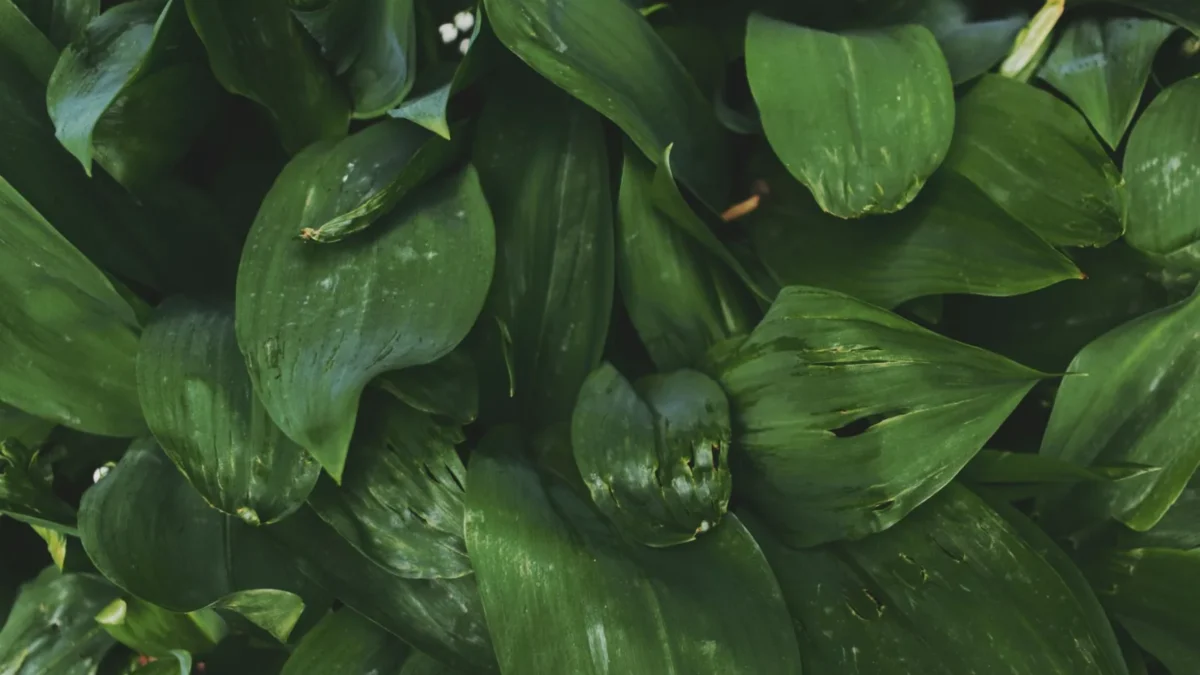
Quick answer: The cast iron plant is non-toxic to cats and non-toxic to dogs, making it a genuinely pet-safe choice for your home. However, chewing on any plant material may cause mild digestive upset in either species.
| Botanical name | Aspidistra elatior |
|---|---|
| Light | Bright indirect light; tolerates full shade; avoid direct sun |
| Watering | Water when top 6 cm of soil feels dry; every 10-14 days spring/summer; every 3-4 weeks fall/winter |
| Humidity | Not important; tolerates dry or moist air; average household humidity adequate |
| Temperature | 60-75°F (15-24°C); tolerates dips to 45°F (5°C) |
| Soil | Well-drained, peaty potting mixture; 50:50 peat-free loam and peat-free compost |
| Feeding | Balanced liquid fertilizer at half strength once or twice in spring/summer; monthly during growing season |
| Size | 60-90 cm tall with 60-90 cm spread; typically 3 feet tall |
| Difficulty | easy |
| Cats | ✓ non-toxic |
| Dogs | ✓ non-toxic |
Why your cat or dog can safely be around this plant
The cast iron plant earns its reputation as a low-maintenance houseplant partly because it’s completely safe for the pets in your home. Unlike many popular indoor plants, you won’t need to keep it out of reach or worry if your cat nibbles a leaf or your dog investigates it.
This makes it an excellent option if you’re looking to add greenery to a pet-friendly space without stress. The plant’s ability to tolerate neglect—it’s famous for surviving in dim corners and with irregular watering—means it works just as well in homes with curious animals as it does in busy households.
What to expect if your pet chews the plant
Although the cast iron plant itself is safe, consuming any plant material may cause vomiting and gastrointestinal upset in cats and dogs. This isn’t a toxicity issue—it’s simply that their digestive systems aren’t designed to process plant fibres well.
If your pet chews on the plant, keep an eye on them for the next few hours. Most mild upset passes quickly. If your cat or dog shows persistent vomiting, severe diarrhea, or loss of appetite, contact your vet. These signs are usually temporary but worth checking out.
Pet-safe doesn’t mean pet-proof
Just because the cast iron plant is safe doesn’t mean it won’t suffer damage from an enthusiastic dog or cat. If you have a pet known for chewing houseplants, place the pot somewhere secure—on a shelf, in a corner, or behind furniture—to protect both your plant and your pet from unnecessary stomach upset. The plant grows to 60–90 cm tall and spreads the same width, so it can make a striking display on a plant stand or elevated surface out of paws’ reach.
The cast iron plant’s tough nature means it’ll bounce back from minor damage once you’ve redirected your pet’s attention elsewhere.
Read the full guide: Cast Iron Plant Care: The Complete Guide
More about Cast Iron Plant
The same problem in other plants
- Is Weeping Fig Toxic to Cats, Dogs, and Other Pets?
- Is Kalanchoe Toxic to Cats, Dogs, and People?
- Is Polka Dot Plant Toxic to Cats and Dogs?
- Is Lucky Bamboo Toxic to Cats, Dogs, and Other Pets?
Sources
- Toxic and Non-toxic Plants: Cast Iron Plant
- Aspidistra elatior
- Cast Iron Plant (Aspidistra elatior): Complete Care & ID Guide
Photo: Primitive Spaces / Pexels, Pexels