Monstera Siltepecana Monstera siltepecana
Is Monstera Siltepecana Toxic to Cats and Dogs?
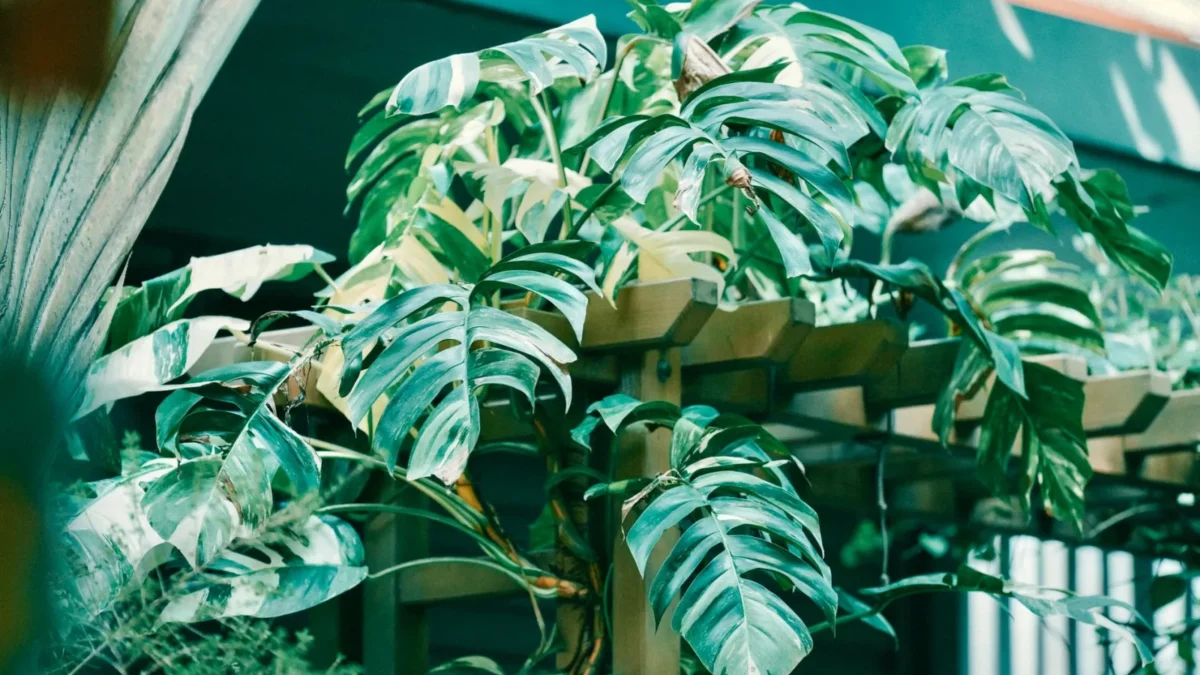
Quick answer: Yes, Monstera Siltepecana is toxic to cats and dogs. All parts of the plant contain insoluble calcium oxalate crystals, with the leaves and stems posing the greatest risk if chewed or ingested.
Monstera Siltepecana at a glance
| Botanical name | Monstera siltepecana |
|---|---|
| Light | Bright indirect light, 200–800 foot-candles; 6+ hours daily. Avoid direct sun. |
| Watering | Water when top 2 inches of soil feel dry; every 5–8 days in summer. Never on fixed schedule. |
| Humidity | 60–80% relative humidity; tolerates brief dips to 40% RH |
| Temperature | 65–85°F (18–29°C) |
| Soil | Chunky aroid mix: potting soil/coco coir, orchid bark, perlite, sphagnum moss in equal parts |
| Feeding | Balanced liquid fertilizer monthly during growing season (March–October). Zero fertilizer November–February. |
| Size | Trailing or climbing; 5–8 feet tall, 3–5 feet wide; up to 250 cm with support |
| Difficulty | easy |
What Happens If a Cat or Dog Eats Monstera Siltepecana
If your pet chews or ingests any part of this plant, calcium oxalate crystals are released immediately. This causes oral irritation including burning of the mouth and tongue, excessive drooling, difficulty swallowing, and vomiting.
Symptoms appear quickly after ingestion, so watch for these signs if your pet has access to the plant. Even a small amount of leaf material can trigger a reaction.
Keeping Your Pet Safe
Place your Monstera Siltepecana out of reach of cats and dogs—on a high shelf, in a closed room, or in a hanging planter where pets cannot jump or climb to it. Remember that cats can jump surprisingly high and dogs may chew on trailing vines, so position the plant carefully.
If your cat or dog has chewed or eaten any part of the plant, contact your veterinarian or the ASPCA Animal Poison Control Center immediately. Do not wait to see if symptoms develop; prompt professional advice can prevent complications.
Consider keeping this plant in a room your pets cannot access, especially if you have curious kittens or puppies who are more likely to investigate and chew on plants.
Read the full guide: Monstera Siltepecana Care: The Complete Guide
More about Monstera Siltepecana
The same problem in other plants
- Is Bamboo Palm Toxic to Cats and Dogs?
- Is Maidenhair Fern Toxic to Cats and Dogs?
- Is Mini Monstera Toxic to Cats and Dogs?
- Is Alocasia Frydek Toxic to Dogs and Cats?
Sources
Photo: 🇻🇳🇻🇳Nguyễn Tiến Thịnh 🇻🇳🇻🇳 / Pexels, Pexels