Mini Monstera Rhaphidophora tetrasperma
Is Mini Monstera Toxic to Cats and Dogs?
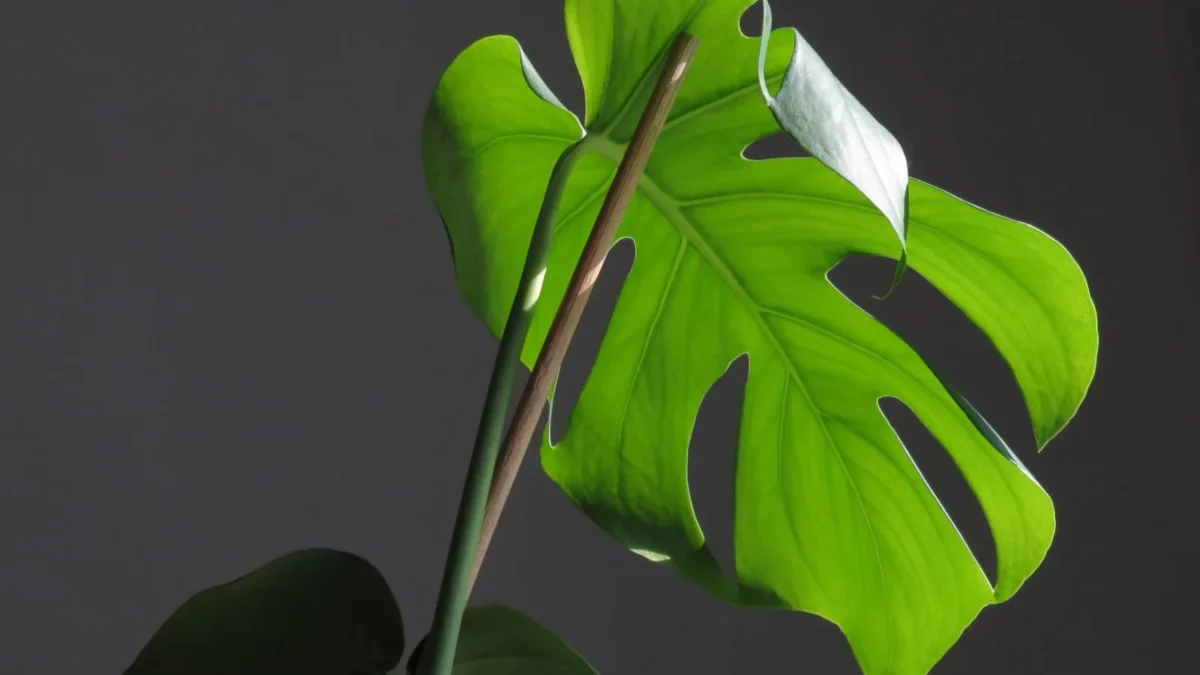
Quick answer: Yes, mini monstera is toxic to both cats and dogs. The plant contains insoluble calcium oxalates in its leaves and stems, which can cause immediate oral irritation, drooling, vomiting, and diarrhea. If your cat or dog ingests any part of a mini monstera, contact your vet or an emergency animal clinic right away—do not wait for symptoms to appear.
| Botanical name | Rhaphidophora tetrasperma |
|---|---|
| Light | Bright indirect light (300–500 fc); avoid direct sun; add grow light for mature fenestrations |
| Watering | Water when top 3–4 cm soil is dry; keep evenly moist but never wet; avoid daily watering |
| Humidity | 50–60% or higher; mist regularly to increase humidity and prevent brown leaves |
| Temperature | 65–80°F (18–27°C) ideal; tolerate 55–85°F; avoid cold drafts |
| Soil | Well-aerated potting mix with peat, perlite, pine bark, orchid bark, and sphagnum moss |
| Feeding | Balanced fertilizer monthly during spring and summer; reduce or stop in fall and winter; avoid overfertilizing |
| Size | Indoors 3–6 ft; vines can reach up to 12 ft; fast-growing with small leaves |
| Difficulty | easy |
What to Do If Your Pet Eats Mini Monstera
If you suspect your pet has chewed or swallowed any part of the plant, act quickly:
- Contact your vet or an emergency animal clinic immediately.
- Do not induce vomiting unless your vet specifically instructs you to, as it can make some poisonings worse.
- Watch for symptoms: oral irritation, drooling, vomiting, and diarrhea may appear right away.
- Have information ready: which part of the plant your pet ate (if known) and when it happened.
Why Mini Monstera Is Toxic
Mini monstera belongs to the Araceae family, the same family as many houseplants containing calcium oxalate crystals. These compounds are concentrated in the leaves and stems and irritate the mouth, throat, and digestive system when chewed or ingested. Even small amounts can trigger symptoms, so prompt veterinary care is essential.
Keeping Your Pet Safe
If you have a mini monstera at home with cats or dogs, place it out of reach on a high shelf, in a hanging planter, or in a room your pets cannot access. The plant grows quickly with vines that can reach up to 12 feet, so ensure no trailing stems hang within paw’s reach. When you water or care for the plant, wash your hands afterward, and keep an eye on your pets if they spend time nearby.
Read the full guide: Mini Monstera Care: The Complete Guide
More about Mini Monstera
The same problem in other plants
- Is Fishbone Cactus Toxic to Cats and Dogs?
- Is Bamboo Palm Toxic to Cats and Dogs?
- Is Maidenhair Fern Toxic to Cats and Dogs?
- Is Monstera Siltepecana Toxic to Cats and Dogs?
Sources
- Is mini monstera toxic to cats and dogs? Yes, what to do
- Is Mini Monstera Toxic to Dogs? (Yes — mild toxicity)
- Rhaphidophora tetrasperma
Photo: Rita Hrechkosii / Pexels, Pexels