String of Turtles Peperomia prostrata
Why Is My String of Turtles Turning Yellow? Causes & Fixes
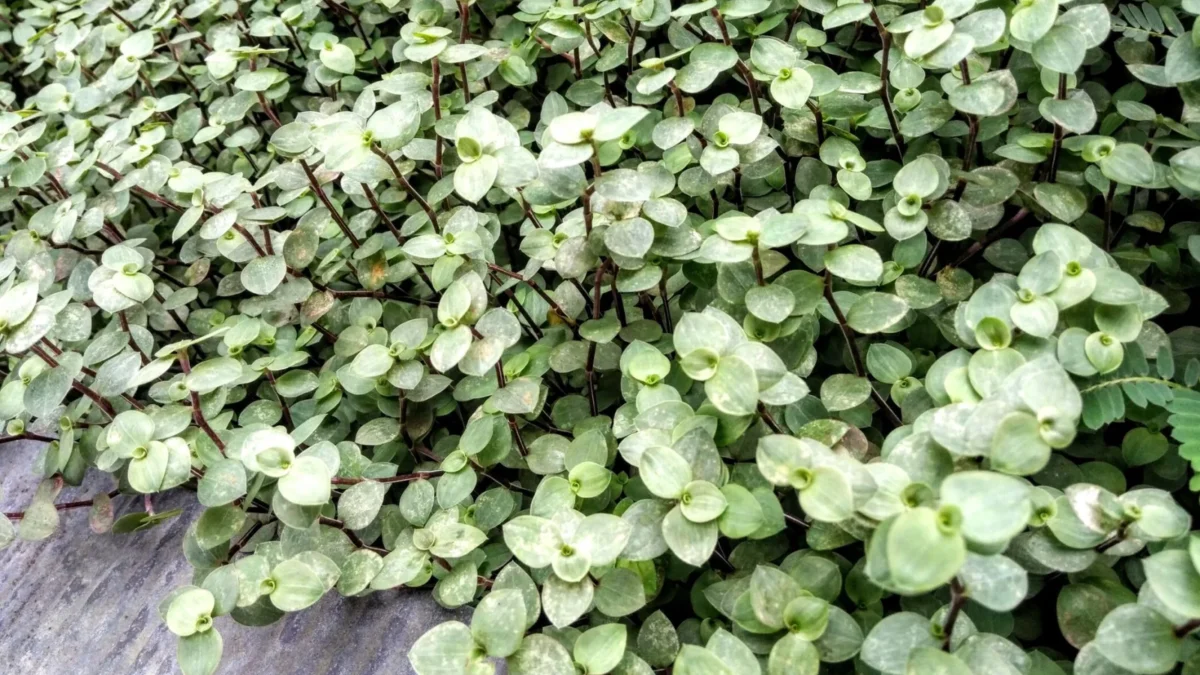
Quick answer: String of Turtles leaves turn yellow most often because of overwatering and root rot, sometimes due to nutrient deficiencies or light stress. Check your watering schedule and soil drainage first, then adjust light if needed.
| Botanical name | Peperomia prostrata |
|---|---|
| Light | Bright indirect light in growth; full light in winter; avoid direct summer sun |
| Watering | Water when top 1 inch of soil is dry; moderate summer, sparse winter |
| Humidity | Prefers humid air; adapts to lower household humidity |
| Temperature | 18–30°C (65–86°F); keep above 10°C (50°F) |
| Soil | 50% peat/coco coir + 50% perlite/sand/pumice; loose, airy, slightly acidic pH 6.0-6.5 |
| Feeding | Balanced liquid fertilizer monthly spring to summer; dilute to half or quarter strength |
| Size | 0.1–0.5 m height and width |
| Difficulty | easy |
Why string of turtles leaves are turning yellow
| What you see | Likely cause | What to do |
|---|---|---|
| Yellow leaves, stems soft at base, musty smell | Overwatering and root rot | Repot in fresh, well-draining soil; trim damaged roots; water less often |
| Yellow leaves, you’ve been fertilizing regularly | Overwatering despite feeding | Cut back watering; check soil stays too wet |
| Yellow leaves, no pattern to which leaves | Nutrient deficiency | Apply balanced liquid fertilizer monthly through summer |
| Pale or washed-out yellow, plant in bright spot | Too much direct light | Move to bright indirect light; avoid direct summer sun |
| Yellow with brown, mushy base | Root rot (advanced) | Repot immediately in fresh soil; reduce watering frequency |
Yellowing on your String of Turtles almost always points to one of these issues. Start by checking the soil: Yellow leaves typically mean the plant is too wet. When you water too often, soil becomes waterlogged and roots rot, which causes leaves to yellow. These trailing succulents store water in their thick leaves and stems, so they need less water than most houseplants.
The second common culprit is light. Too much direct sun, especially in summer, can bleach the foliage and wash out the darker green markings that make String of Turtles attractive. Direct summer sun actually scorches the leaves. If your plant is in a very bright spot, move it back slightly.
Less often, yellowing indicates nutrient deficiencies. But if you’ve already been feeding your plant, that’s unlikely—focus on watering and light first.
Fix overwatering and root rot
The most common cause of yellow String of Turtles is overwatering. Let the top inch of soil dry before watering again. Water when the top inch feels dry to the touch. With a well-draining soil mix, you’ll typically water around twice a week in summer and once a week in winter.
If you suspect root rot, check the stems at the soil line. If fallen leaves feel soft, mushy, or slightly translucent, overwatering is almost certainly the problem. Repot the plant in fresh, well-draining soil, trimming any affected roots, then reduce watering frequency.
Make sure your soil drains properly. The best mix is 50% peat or coco coir and 50% drainage material like perlite, coarse sand, or pumice. String of Turtles is drought-tolerant thanks to its succulent leaves, so it’s better to underwater than overwater. Use the taco test: gently squeeze a leaf; if it’s firm, don’t water yet.
Fix light and nutrient issues
For light stress, move your plant away from direct summer sun. Grow in bright indirect light during the growing season, and move into full light in winter. This balance prevents both bleaching and weak growth.
If watering and light are correct but leaves are still yellowing, feed your plant. Apply a balanced liquid fertilizer monthly from spring through summer. Use a balanced, water-soluble fertilizer diluted to half or quarter strength.
How to prevent yellowing
Check your soil moisture before every watering. The difference between a thriving String of Turtles and one with yellow leaves usually comes down to the watering schedule. Water moderately in summer and sparingly in winter. Overwatering causes root rot, so err on the side of dry soil. Place the pot in bright, indirect light away from summer sun, and feed monthly during the growing season. With these three adjustments—less water, right light, regular feeding—your plant should recover and stay green.
Read the full guide: String of Turtles Care: The Complete Growing Guide
More about String of Turtles
The same problem in other plants
- Why Are My Pink Princess Philodendron Leaves Turning Yellow?
- Why Are My Elephant Bush Leaves Turning Yellow?
- Why Are My Fishbone Cactus Leaves Turning Yellow?
- Why Is My Bamboo Palm Turning Yellow?