Mini Monstera Rhaphidophora tetrasperma
Mini Monstera Care: The Complete Guide
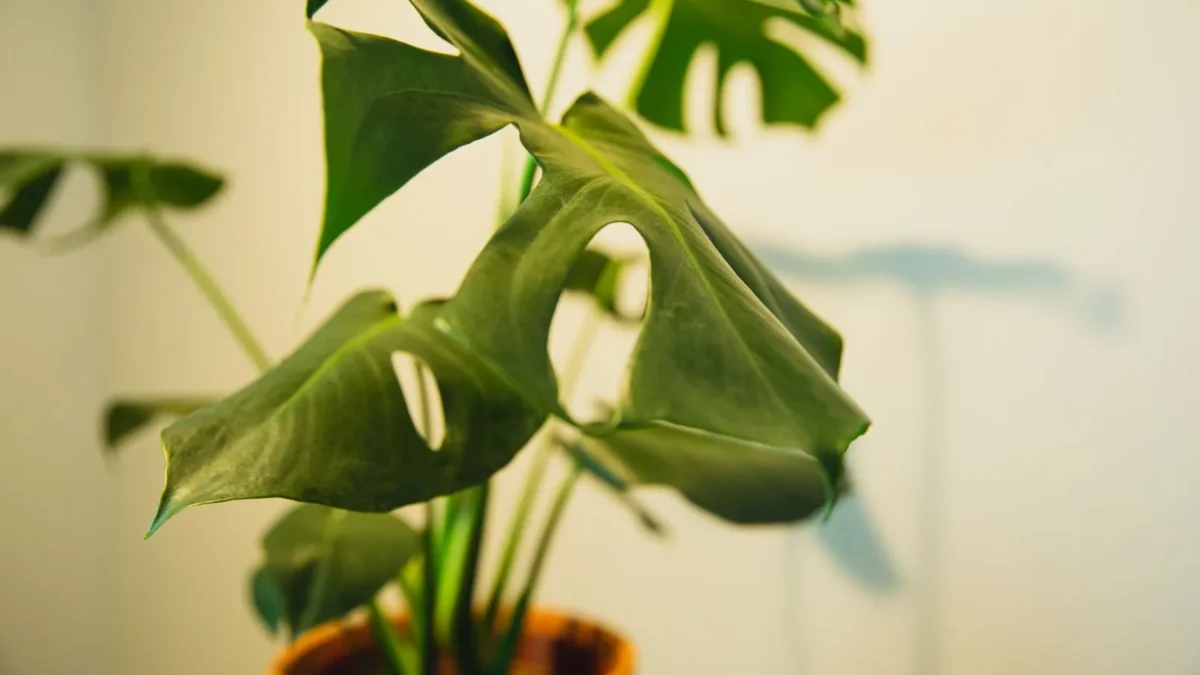
Mini Monstera (Rhaphidophora tetrasperma) is a fast-growing, easy-to-care-for houseplant that brings tropical charm to any indoor space. With bright indirect light, consistent moisture, and moderate humidity, your Mini Monstera will thrive and develop the beautiful split leaves that make this plant so popular. This guide covers everything you need to know to grow a healthy Mini Monstera indoors, from light and watering to common problems and propagation.
| Botanical name | Rhaphidophora tetrasperma |
|---|---|
| Light | Bright indirect light (300–500 fc); avoid direct sun; add grow light for mature fenestrations |
| Watering | Water when top 3–4 cm soil is dry; keep evenly moist but never wet; avoid daily watering |
| Humidity | 50–60% or higher; mist regularly to increase humidity and prevent brown leaves |
| Temperature | 65–80°F (18–27°C) ideal; tolerate 55–85°F; avoid cold drafts |
| Soil | Well-aerated potting mix with peat, perlite, pine bark, orchid bark, and sphagnum moss |
| Feeding | Balanced fertilizer monthly during spring and summer; reduce or stop in fall and winter; avoid overfertilizing |
| Size | Indoors 3–6 ft; vines can reach up to 12 ft; fast-growing with small leaves |
| Difficulty | easy |
Key points
- Mini Monstera needs bright indirect light of 300–500 footcandles; mature leaf splits only develop with adequate light (400+ fc), so add a grow light if needed
- Water when the top 3–4 cm of soil is dry; keep soil evenly moist but never wet, and avoid daily watering
- Humidity of 50–60% or higher is ideal; mist regularly to prevent brown leaves
- Keep temperatures between 65–80°F (18–27°C), tolerating a range of 55–85°F; avoid cold drafts
- Use a well-aerated mix of peat, perlite, pine bark, orchid bark, and sphagnum moss
- Feed monthly with balanced fertilizer during spring and summer; reduce or stop in fall and winter
Light Requirements for Mini Monstera
Mini Monstera thrives in bright indirect light of 300–500 footcandles. Position it close to a bright window where it receives strong, filtered light throughout the day. This bright indirect light maintains the plant’s fast growth rate and promotes well-developed fenestrations—the characteristic splits in mature leaves.
Mature leaves only develop splits with adequate light of 400+ footcandles; if your natural light is insufficient, add a grow light to encourage this development. Avoid direct sun, which can burn the leaves. Similarly, do not place your plant in low light, as it will struggle and fail to thrive.
Watering Your Mini Monstera
Consistent, even moisture is the key to successful Mini Monstera care. Allow the top 3–4 cm of soil to dry between waterings. You can test this easily by inserting your fingertip into the soil—if the uppermost layer feels dry, it is time to water.
While Mini Monstera definitely likes consistent moisture, do not water it every day. As a general rule of thumb, water your plant weekly, though the exact frequency depends on several factors like lighting, temperature, and humidity. The brighter the light your plant receives, the more often you will need to water it.
Keep the soil evenly moist but never wet. Soil that stays wet for a long time attracts fungus gnats and can eventually lead to root rot. Use water that is low in lime, such as rainwater, when possible.
Humidity and Temperature
Humidity
As a tropical plant, Mini Monstera loves high humidity. Aim to keep humidity levels around 50–60%; ideally, aim for above 60%. As long as your humidity stays above 45%, your plant likely won’t have humidity-related issues, but higher humidity is preferable.
One of the easiest ways to increase humidity and prevent brown leaves is misting with a spray bottle. This also removes dust from the leaves. If your home has dry air, especially during winter, consider using a humidifier or placing a tray with water and pebbles near the plant.
Temperature
Keep your Mini Monstera in temperatures between 65–80°F (18–27°C) for ideal growth. The plant tolerates a broader range of 55–85°F, so it can handle some fluctuation. Avoid cold drafts, which can stress the plant and slow its growth.
Soil and Repotting
Use a well-aerated potting mix that promotes drainage while retaining some moisture. The best mix for Mini Monstera is peat-based, fertile soil mixed with perlite, pine bark, orchid bark, and some sphagnum moss.
As a fast grower, your Mini Monstera may outgrow its pot within a year or two. Repotting is best done in spring. Repot when roots become crowded, generally moving up only one pot size. When potting up, make sure the new pot is about 2 inches larger in diameter than the old one, and use fresh soil.
Feeding and Fertilizer
Mini Monstera has sensitive roots, so fertilizer care is essential. Use a balanced, water-soluble fertilizer once a month during the growing season (spring and summer). Reduce or stop fertilizing in fall and winter when the plant’s growth naturally slows down.
Be careful not to overfertilize, as this can burn the roots. If your plant isn’t used to frequent fertilizing, dilute the fertilizer more than the recommended amount to prevent fertilizer burn. Brown leaf tips can be a sign of over-fertilization; if this occurs, increase humidity around the plant and dilute your fertilizer solution.
Pruning and Support
Mini Monstera doesn’t require much pruning aside from removing dead or dying leaves. You can create a more bushy plant by pruning the vines to encourage new growth; when pruning, use clean, sharp scissors to cut about 1/4 inch above a node.
Training your Mini Monstera onto a moss pole, plank, or trellis supports its natural climbing habit. While a moss pole is not essential, providing support may help the plant produce larger, more mature leaves. Install support early so stems can be trained without excessive bending.
Indoors, Mini Monstera typically grows 3–6 feet tall, though vines can reach up to 12 feet in ideal conditions. Its fast-growing nature with small leaves makes it an excellent choice for trellised displays.
Propagation Methods
The most common and successful method for propagating Mini Monstera is stem cuttings. The best time for propagation is in early spring when the plant awakens from its dormant phase and starts growing.
Take a stem cutting below a node and place it in water or moist soil. You can use two propagation techniques: rooting in water or directly in soil.
Water Propagation
Place cuttings in a glass of low-lime water and change the water every 2–3 days. The more often you change the water, the faster the cuttings will root. When roots are 4–5 cm long, plant the cutting in soil so that only the leaf protrudes from the soil.
Soil Propagation
Place cuttings directly in fresh soil, perlite, or sphagnum moss. This method can be more reliable than water propagation, as water roots and soil roots are different; water roots aren’t particularly efficient at absorbing oxygen from soil when transferred.
Common Problems and Solutions
Brown Leaves
Brown leaves on Mini Monstera typically stem from low humidity or inconsistent watering. Low humidity is a common cause; increase humidity by misting regularly with a spray bottle. Consistent underwatering also causes brown leaves; while the plant forgives occasional missed waterings, it doesn’t tolerate super dry soil for weeks on end. When underwatered, leaves turn brown, feel dry to touch, and droop.
If the brown patches are quite dark rather than light brown, the issue may be too much water. Make sure the potting mix dries out between waterings.
Brown Leaf Tips
Brown leaf tips often signal low humidity or over-fertilization. Increase humidity around the plant and dilute your fertilizer solution.
No Fenestrations (Leaf Splits)
Mature leaves only develop splits with adequate light of 400+ footcandles. If your plant isn’t producing the characteristic split leaves, add a grow light to supplement natural light.
Root Rot
Excessive watering creates conditions optimal for fungal root rot development. Prevent this by allowing the top 3–4 cm of soil to dry between waterings and ensuring the soil never stays wet for extended periods.
Toxicity to Cats and Dogs
Mini Monstera is toxic to both cats and dogs. The plant contains insoluble calcium oxalates, with the toxic parts being the leaves and stems.
If your cat chews or ingests any part of the plant, contact your vet or a pet poison control center right away. Symptoms can include vomiting, diarrhea, and drooling.
If your dog eats any part of Mini Monstera, contact your vet immediately—do not wait for symptoms to appear. Watch for oral irritation, drooling, and vomiting. Do not induce vomiting unless a vet specifically instructs you to, as it can make some poisonings worse.
FAQ
How often should I water my Mini Monstera?
As a general rule of thumb, water weekly, but frequency depends on lighting, temperature, and humidity. Always check that the top 3–4 cm of soil is dry before watering.
Can Mini Monstera grow in low light?
No, Mini Monstera does not tolerate low light well. It needs bright indirect light of 300–500 footcandles and 400+ footcandles for mature leaf fenestrations.
What is the ideal humidity for Mini Monstera?
Aim for 50–60% humidity or higher. Above 60% is ideal, though the plant should be fine as long as humidity stays above 45%.
How quickly does Mini Monstera grow?
Mini Monstera is fast-growing, producing new leaves every one to two weeks in warm months with adequate light. With proper care, it can grow 3–6 feet indoors, with vines potentially reaching up to 12 feet.
Is Mini Monstera easy to care for?
Yes, Mini Monstera is relatively easy to care for. As long as it is kept in a warm and humid environment with temperatures of 55–85°F and 50–60% humidity, and gets adequate light, the plant should thrive indoors.
When should I repot my Mini Monstera?
Repot in spring when the plant is actively growing. Repot when roots become crowded, moving up only one pot size. You may need to repot every year depending on growing conditions.
More about Mini Monstera
Sources
- How to Plant, Grow, and Care for Rhaphidophora Tetrasperma
- Rhaphidophora tetrasperma (Mini Monstera): Care Guide
- Mini monstera: care, location & propagation – Plantura
Photo: Ryutaro Tsukata / Pexels, Pexels