Mini Monstera Rhaphidophora tetrasperma
How Often to Water Your Mini Monstera
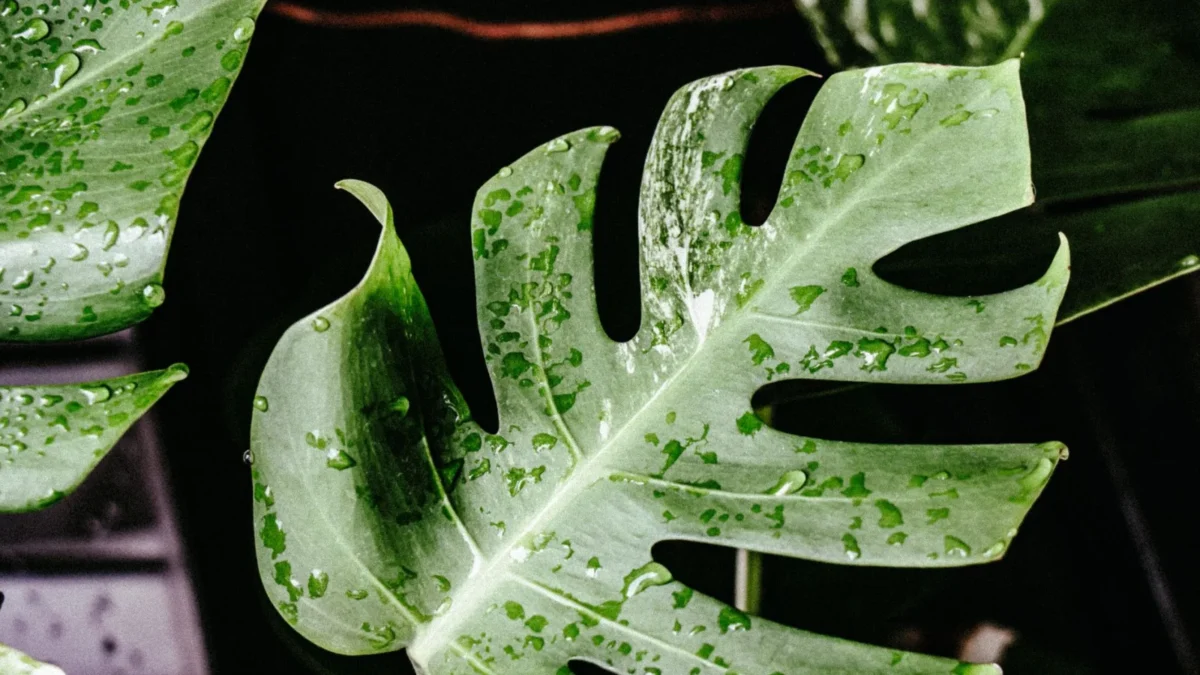
Quick answer: Water your Mini Monstera when the top 3–4 cm of soil feels dry to the touch. As a general rule, this works out to roughly weekly watering, though the exact frequency depends on your light, temperature, and humidity. Never water it every day, as the plant prefers consistent moisture without staying waterlogged.
| Botanical name | Rhaphidophora tetrasperma |
|---|---|
| Light | Bright indirect light (300–500 fc); avoid direct sun; add grow light for mature fenestrations |
| Watering | Water when top 3–4 cm soil is dry; keep evenly moist but never wet; avoid daily watering |
| Humidity | 50–60% or higher; mist regularly to increase humidity and prevent brown leaves |
| Temperature | 65–80°F (18–27°C) ideal; tolerate 55–85°F; avoid cold drafts |
| Soil | Well-aerated potting mix with peat, perlite, pine bark, orchid bark, and sphagnum moss |
| Feeding | Balanced fertilizer monthly during spring and summer; reduce or stop in fall and winter; avoid overfertilizing |
| Size | Indoors 3–6 ft; vines can reach up to 12 ft; fast-growing with small leaves |
| Difficulty | easy |
How to Check if Your Mini Monstera Needs Water
The most reliable way to know when to water is to check the soil itself. Use your fingertip to test the uppermost layer—if it feels dry, it’s time to water. This fingertip test beats a rigid schedule because every home is different. A bright, warm room with low humidity will dry out faster than a cooler spot with higher humidity.
Keep the soil evenly moist but never wet. Soil that stays wet for extended periods attracts fungus gnats and can eventually lead to root rot. If you notice dark brown patches on the leaves (rather than light brown), you may be watering too much, so allow the soil to dry out between waterings.
Watering Schedule by Season and Conditions
While weekly watering is a useful starting point, several factors affect how often you’ll actually water:
Light: The brighter the light your Mini Monstera receives, the more often you’ll need to water it. Plants in brighter spots dry out faster.
Temperature: Warmer conditions speed up evaporation, so plants in warmer rooms need more frequent watering. Ideal temperatures are 65–80°F (18–27°C).
Humidity: Higher humidity slows evaporation slightly, so a humid environment means less frequent watering. Aim for 50–60% humidity or higher.
Season: During spring and summer when the plant is actively growing, you’ll likely water more often. In fall and winter, growth slows and soil dries more slowly, so you can reduce watering frequency.
Adjust your routine based on these conditions rather than sticking rigidly to a schedule.
Signs of Underwatering and Overwatering
If you underwater consistently, the leaves will not only turn brown but become dry to the touch and droop. While Mini Monsteras forgive occasional missed waterings, they don’t like super dry soil for weeks on end.
Overwatering shows up as dark brown patches on the leaves. Root rot, caused by excessive moisture, is harder to fix, so err on the side of letting the top layer dry slightly between waterings.
FAQ
What water should I use?
Use low-lime water, such as rainwater, if possible.
Can humidity affect how often I water?
Yes—higher humidity around 50–60% or more reduces how quickly soil dries out, so you may water slightly less often in humid conditions. Misting with a spray bottle increases humidity and prevents brown leaves.
Will light affect watering frequency?
Absolutely. Plants receiving bright indirect light (300–500 fc) will dry out faster than those in lower light, so you’ll need to water more frequently in bright spots.
Read the full guide: Mini Monstera Care: The Complete Guide
More about Mini Monstera
The same problem in other plants
- Elephant Bush Watering: How Often and How Much
- How Often Should You Water Your Fishbone Cactus?
- How Often Should You Water String of Turtles?
- How Often Should You Water Monstera Siltepecana?