Mini Monstera Rhaphidophora tetrasperma
How to Propagate Mini Monstera: Step-by-Step Instructions
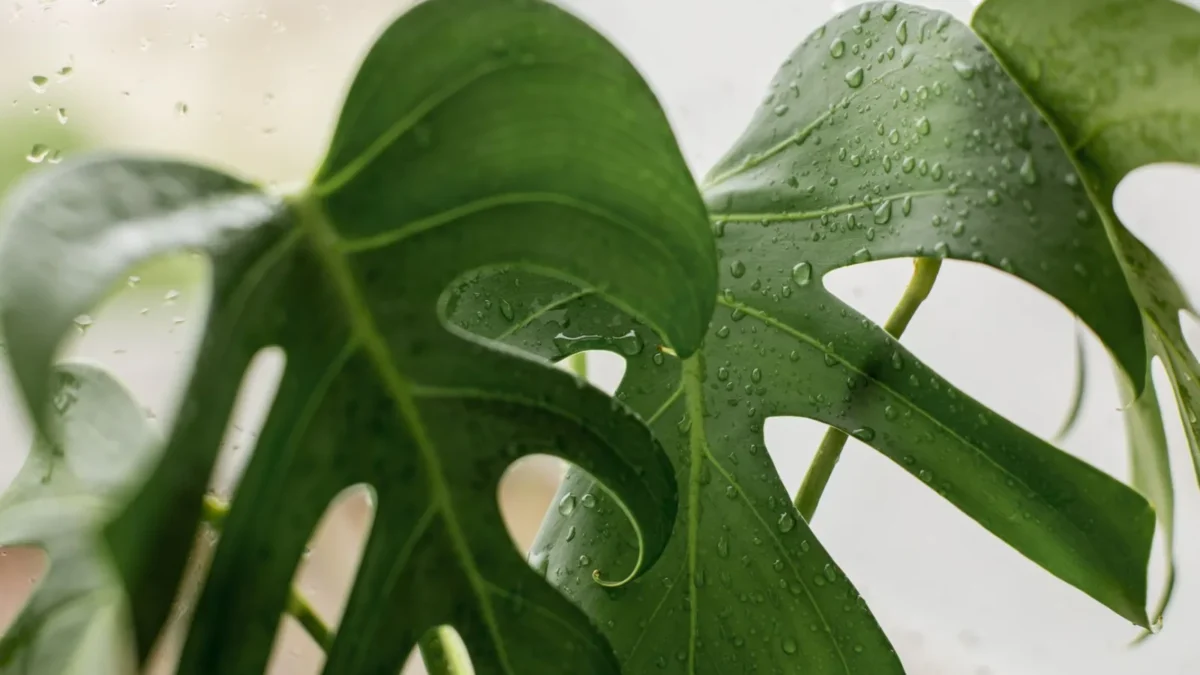
Quick answer: Propagate mini monstera by taking stem cuttings below a node and rooting them in water or soil. This fast-growing plant responds well to propagation in early spring, and you’ll see roots develop within 2–3 weeks.
| Botanical name | Rhaphidophora tetrasperma |
|---|---|
| Light | Bright indirect light (300–500 fc); avoid direct sun; add grow light for mature fenestrations |
| Watering | Water when top 3–4 cm soil is dry; keep evenly moist but never wet; avoid daily watering |
| Humidity | 50–60% or higher; mist regularly to increase humidity and prevent brown leaves |
| Temperature | 65–80°F (18–27°C) ideal; tolerate 55–85°F; avoid cold drafts |
| Soil | Well-aerated potting mix with peat, perlite, pine bark, orchid bark, and sphagnum moss |
| Feeding | Balanced fertilizer monthly during spring and summer; reduce or stop in fall and winter; avoid overfertilizing |
| Size | Indoors 3–6 ft; vines can reach up to 12 ft; fast-growing with small leaves |
| Difficulty | easy |
Best Methods for Mini Monstera Propagation
The most reliable way to propagate mini monstera is using stem cuttings. You have two main approaches:
- Water propagation: Place cuttings in low-lime water and change it every 2–3 days. The more frequently you change the water, the faster roots develop.
- Soil propagation: Plant cuttings directly in a well-aerated potting mix.
Both methods work; soil rooting produces roots adapted to soil conditions from the start, while water rooting is easier to monitor but requires transition to soil later.
How to Propagate Mini Monstera in Water
- Take a cutting from a healthy vine, making your cut just below a node. A node is the slight bump on the stem where leaves attach.
- Place the cutting in a glass of low-lime water.
- Change the water every 2–3 days.
- Watch for roots to develop—they typically appear within 2–3 weeks in warm conditions.
- Once roots reach 4–5 cm long, plant the cutting in soil with only the leaf protruding.
Keep the water-rooted cutting in bright indirect light during this stage. After planting, water the soil when the top 3–4 cm feels dry.
How to Propagate Mini Monstera in Soil
Soil propagation works well and skips the water-to-soil transition. Take a cutting below a node, then plant it directly in moist, well-aerated potting mix containing peat, perlite, pine bark, and sphagnum moss. Keep the soil consistently moist but never soggy, and provide bright indirect light. Roots typically form within 3–4 weeks.
Timing and Conditions for Success
The best time to propagate is early spring, when the plant naturally enters its active growth phase. Mini monstera produces new leaves every one to two weeks in warm months with adequate light, so spring cuttings benefit from this vigor.
Give your cuttings:
– Light: Bright indirect light (300–500 fc) to maintain growth and promote leaf development.
– Temperature: 65–80°F (18–27°C) ideally; avoid cold drafts.
– Humidity: 50–60% or higher. Misting helps maintain moisture and prevents brown leaves.
Common Mistakes to Avoid
Don’t overwater. Even cuttings can rot if soil stays wet too long; soil that remains soggy attracts fungus gnats and leads to root rot. Let the top of the soil dry slightly between waterings.
Avoid moving water-rooted cuttings to soil too early. Wait until roots are at least 4–5 cm long; very short roots are fragile and may not establish in soil.
Don’t skip the spring window. Propagating in cooler months or when light is poor slows rooting dramatically. Wait until early spring to give cuttings the best chance.
FAQ
How long does it take mini monstera cuttings to root?
Roots typically develop within 2–3 weeks in warm conditions with adequate light, though exact timing depends on temperature and humidity.
Read the full guide: Mini Monstera Care: The Complete Guide
More about Mini Monstera
The same problem in other plants
- How to Propagate String of Turtles: Water, Soil, and Leaf Methods
- How to Propagate Bamboo Palm: Seeds and Cuttings
- How to Propagate Maidenhair Fern: The Complete Guide
- How to Propagate Monstera Siltepecana: A Step-by-Step Guide
Sources
- Rhaphidophora Tetrasperma Care Guide
- Mini monstera: care, location & propagation – Plantura
- Rhaphidophora tetrasperma (Mini Monstera): Care Guide
Photo: Caroline Veronez / Pexels, Pexels