Monstera Monstera deliciosa
Why Is Your Monstera Turning Yellow in Water?
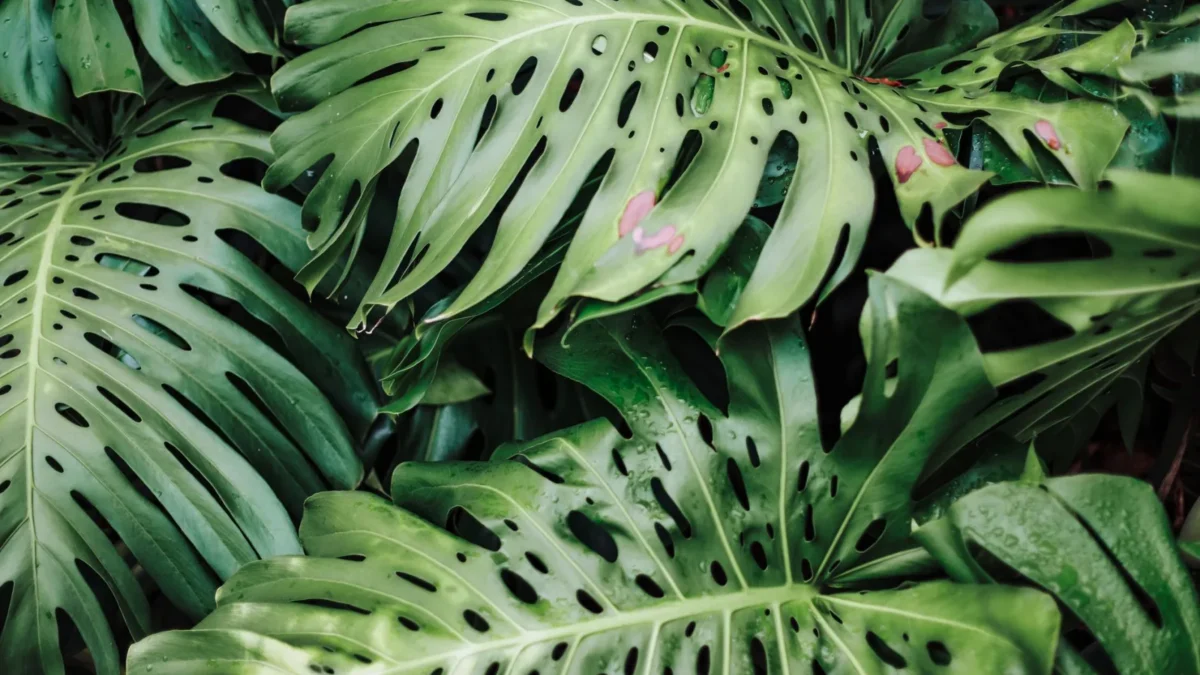
Quick answer: When Monstera leaves turn yellow in water, the most common cause is poor oxygen exchange at the roots, which leads to root rot and nutrient lockup. Water that sits stagnant without adequate aeration or regular changes will cause yellowing, mushy stems, and eventually leaf drop. The fix is to change the water weekly, add air stones or aeration, switch to a hydroponic setup with proper nutrients, or move the plant back to soil if water growing has become problematic.
| Botanical name | Monstera deliciosa |
|---|---|
| Light | 6-8 hours bright indirect light daily; tolerates low light but grows faster in bright indirect conditions; avoid direct |
| Watering | Water when top 2-3 inches of soil are dry; every 1-2 weeks typically; summer 7-10 days, winter 2-4 weeks |
| Humidity | Above 50%; ideally 60% or higher; use pebble tray or humidifier; avoid misting |
| Temperature | 65-85°F (18-29°C); avoid temperatures below 55°F (13°C) and cold drafts |
| Soil | Well-draining, chunky mix with perlite and orchid bark; neutral to slightly acidic pH 5.5-7 |
| Feeding | Balanced water-soluble fertilizer every 2-4 weeks during spring and summer growing season |
| Size | Up to 8-10 feet tall indoors; leaves up to 2 feet wide |
| Difficulty | easy |
| Cats | ⚠️ toxic — Calcium oxalate crystals cause mouth irritation, drooling, vomiting |
| Dogs | ⚠️ toxic — Calcium oxalate crystals cause mouth irritation, drooling, vomiting |
Why Monstera Leaves Turn Yellow Specifically in Water
Water-growing a Monstera looks clean and minimal, but it creates a silent problem: roots need oxygen to function. Soil aerates naturally; standing water does not. When roots sit in stagnant water without oxygen, they cannot absorb nutrients or regulate water uptake—even though the plant is surrounded by water. The roots begin to rot, fungi colonize the damaged tissue, and the plant responds by yellowing and dropping leaves.
Yellowing from water cultivation also often signals nutrient deficiency. Soil contains minerals; plain water does not. After a few weeks, Monstera exhausts whatever nutrients were in the original soil or cuttings, and without fertilizer specifically formulated for hydroponic growing, it starves while drowning.
A third culprit is algae and bacterial bloom in the water itself. Light, stagnant water, and warmth create conditions for microorganisms to thrive, which compete with roots for oxygen and can introduce pathogens.
How to Fix a Yellow Monstera in Water
If your Monstera is already yellowing, start here:
Change the water completely at least once a week. This removes built-up waste and refreshes oxygen. If the stem feels mushy or smells foul, trim away rotted sections with clean scissors and start fresh in clean water.
Add aeration. An aquarium air stone connected to a pump will keep water oxygenated and prevent stagnation. If you don’t have one, stir or agitate the water daily to introduce oxygen.
Switch to hydroponic fertilizer. Water-growing demands a different nutrient balance than soil. Use a balanced hydroponic formula every 2–4 weeks so the plant has what it needs to grow. Standard houseplant fertilizer is formulated for soil and won’t work in water alone.
Consider the light. Monstera needs 6 to 8 hours of bright indirect light daily to thrive, whether in water or soil. If it’s in dim light, it will yellow and weaken faster. Move it closer to a window, or add a grow light.
Move to soil if water growing isn’t working. If the plant has significant rot and you’re not set up for proper hydroponic care, repot into a chunky, well-draining mix. This gives roots access to oxygen and nutrient-rich medium simultaneously, and it’s honestly easier to maintain long-term.
Can Monstera Grow in Water Permanently?
Yes, but it requires commitment. Monstera can grow in water indefinitely if you change the water weekly, aerate it, fertilize consistently with hydroponic nutrients, and provide good light. Without these conditions, yellowing and decline are inevitable. If you prefer lower-maintenance care, soil is the simpler path—water when the top 2–3 inches dry out, and the plant largely regulates itself.
Monstera will grow faster and become more vigorous in a well-draining soil mix with 60% or higher humidity than in plain water, so if growth speed matters to you, that’s worth knowing.
The same problem in other plants
- Why Are My Amaryllis Leaves Turning Yellow?
- Why Are My Echeveria Leaves Turning Yellow?
- Why Are My Orange Bird of Paradise Leaves Turning Orange?
- Why Is My Pencil Cactus Turning Yellow?
Sources
Photo: Ste Lorena / Pexels, Pexels