Amaryllis Hippeastrum
Why Are My Amaryllis Leaves Turning Yellow?
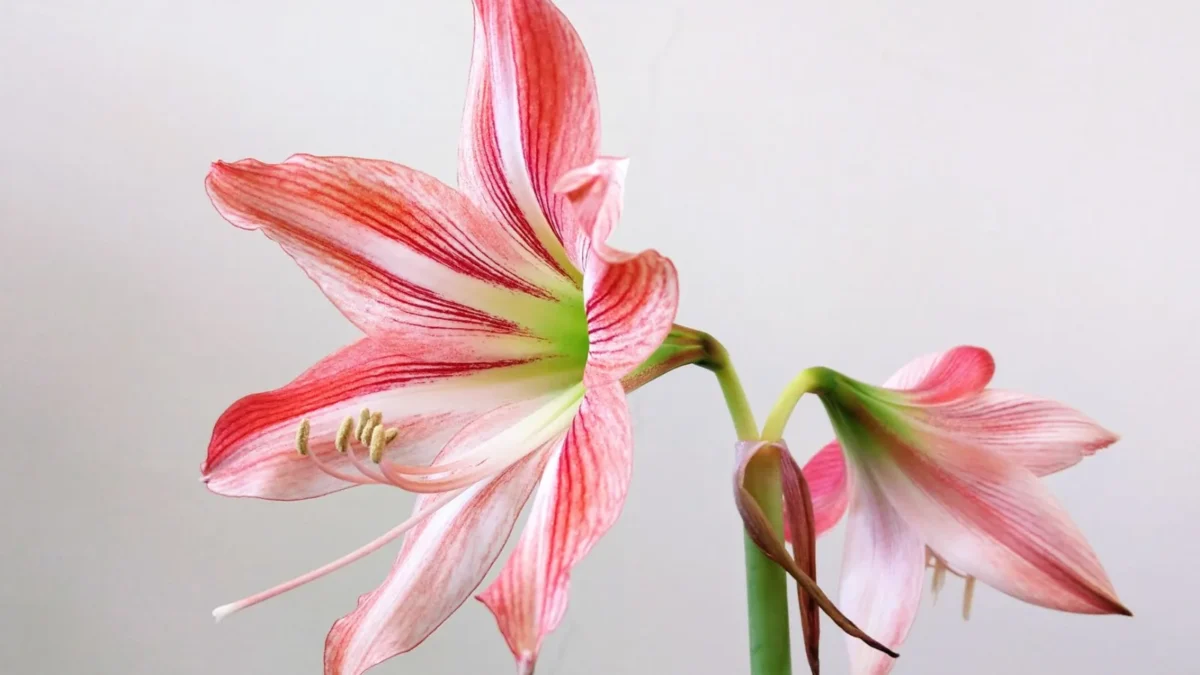
Quick answer: Amaryllis leaves most often turn yellow because of overwatering and waterlogged soil damaging the roots, insufficient light, nutrient deficiency, or the plant entering its natural dormancy cycle. Each cause needs a different fix.
| Botanical name | Hippeastrum |
|---|---|
| Light | Bright indirect light; some morning sun but not direct afternoon sun; bright light after flowering until mid-fall |
| Watering | Water when top inch of soil is dry during growing period; water sparingly until new leaves develop; avoid excess water i |
| Humidity | 40–60% preferred; average indoor humidity usually sufficient |
| Temperature | 70–75°F (21–24°C) during growing period; 55°F (13°C) September–November; around 50°F for fall dormancy; 15–18°C (60–65°F |
| Soil | Humusy, well-draining potting mix with perlite or coarse sand; peat-free John Innes No.2 or multipurpose |
| Feeding | Dilute balanced liquid fertilizer every 2 weeks during growth; high-potassium fertilization every 2–3 weeks after flower |
| Size | 1–2 feet tall, 0.75–1 foot spread; flowers 4–10 inches |
| Difficulty | moderate |
| Cats | ⚠️ toxic — Lycorine and alkaloids; vomiting, diarrhea, tremors, loss of appetite |
| Dogs | ⚠️ toxic — Lycorine and alkaloids; vomiting, diarrhea, tremors, loss of appetite |
Overwatering and Root Rot
Overwatering is by far the most common cause of yellowing leaves. Amaryllis bulbs despise soggy soil and prefer to dry out between waterings. When roots stay wet, they rot, and dead roots cannot absorb water or nutrients. This triggers the yellowing—the plant’s signal that something has gone wrong below the surface.
If the soil feels wet and the leaves are yellow, dial back your watering immediately. During the growing period, water only when the top inch of soil becomes dry. Water freely once growth is underway, but never let the bulb sit in standing water.
To recover a waterlogged plant: check that your pot’s drainage hole is clear and not blocked. If water pooled, tilt the pot to drain excess immediately. Use a well-draining potting mix with perlite or coarse sand—this keeps the root zone moist but airy rather than dense and soggy. Trim off any soft brown roots with clean scissors and remove fully yellow leaves at the base; leave half-yellow leaves alone while the plant pulls remaining nutrients from them.
Poor Light
Yellowing can also happen if your amaryllis is not getting enough light. This plant thrives in bright light, ideally with several hours of indirect or gentle direct sun each day. A bright east- or south-facing window usually works very well, with some morning sun but not direct afternoon sun.
After the flowers fade, light becomes even more critical—the leaves need it to rebuild energy inside the bulb. Continue giving bright light from flowering through mid-fall. If you suspect weak light, move your amaryllis to a sunnier spot.
Nutrient Deficiency
A hungry root system can also cause yellowing. During the growing season, apply a dilute balanced liquid fertilizer every 2 weeks. After flowering, switch to a high-potassium fertilizer applied every 2–3 weeks, which supports leaf growth and bulb reserves.
Normal Dormancy (Not Always a Problem)
Here’s the key distinction: yellowing leaves in fall or after flowering are often entirely normal, not a sign of trouble. Amaryllis follows an annual rhythm—after flowering and heading into autumn, the strap leaves naturally yellow and wither as the bulb pulls resources back down for rest. This is dormancy, not decline. If this is what you’re seeing in late summer or fall, you don’t need to fix anything; just stop watering and feeding once the leaves turn yellow.
Prevention
The best approach is careful watering matched to your pot’s drainage and soil type. Never rush to water just because the soil looks dry on top; always check that the top inch is actually dry. Use peat-free John Innes No.2 or multipurpose potting mix, and ensure your pot has drainage. Keep the plant in bright light year-round (especially after flowering), and feed during active growth but stop once yellowing signals dormancy has begun.
Read the full guide: Amaryllis Care: The Complete Guide
More about Amaryllis
The same problem in other plants
- Why Is My Monstera Turning Yellow in Water?
- Why Are My Echeveria Leaves Turning Yellow?
- Why Are My Orange Bird of Paradise Leaves Turning Orange?
- Why Is My Pencil Cactus Turning Yellow?
Sources
- Amaryllis (Hippeastrum) Care Guide
- Amaryllis Leaves Turning Yellow: Early Detection and Revival Steps – My Gardening Zone
- rhs.org.uk
Photo: TU HAN-WEI / Pexels, Pexels