Echeveria Echeveria
Why Are My Echeveria Leaves Turning Yellow?
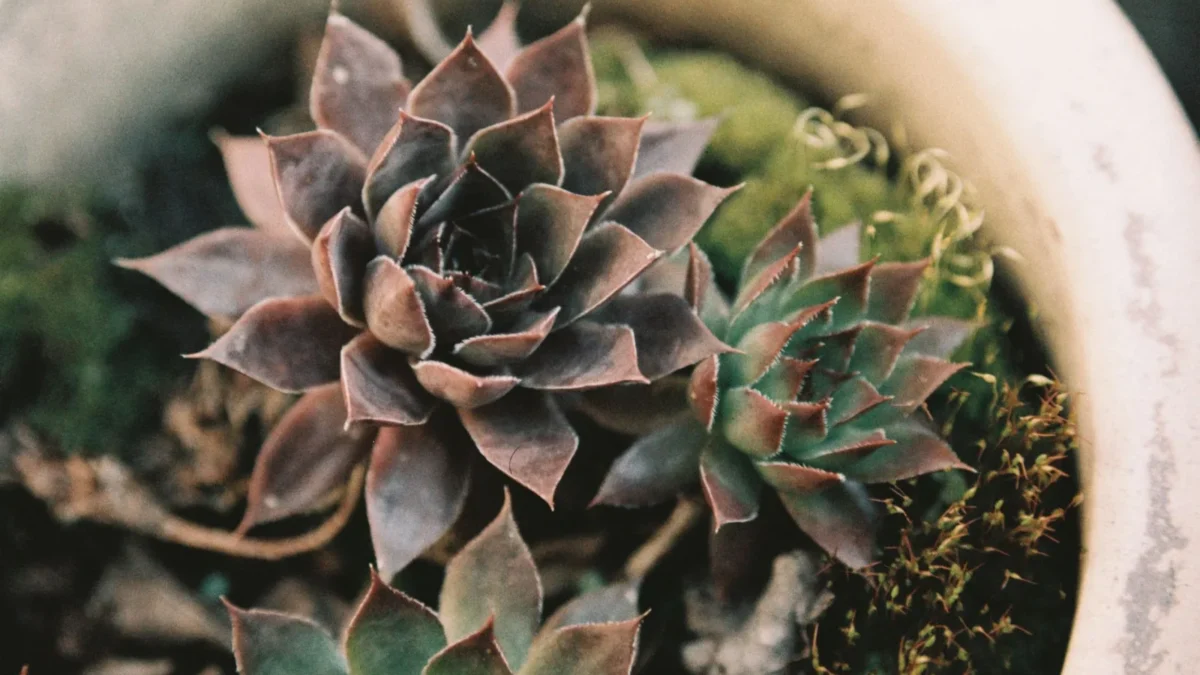
Quick answer: Yellow leaves on echeveria usually mean overwatering (the most common cause), insufficient light, or natural aging of lower leaves. Check the soil moisture, move your plant to a brighter spot, and adjust your watering schedule.
| Botanical name | Echeveria |
|---|---|
| Light | Bright indirect light; at least 4-6 hours daily; south or east-facing window |
| Watering | Water when soil approaches dryness; every 10-14 days summer, 28-35 days winter; never leave sitting in water |
| Humidity | 30-50%; avoid humid areas like bathrooms; humidity above 60% not ideal |
| Temperature | 65-80°F spring and summer, slightly cooler in winter; avoid below 45°F |
| Soil | Peat-free cactus compost or 1 part potting soil, 1 part perlite, 1 part coarse sand; well-draining |
| Feeding | Dilute, low-nitrogen fertilizer fortnightly during late spring and summer; not required |
| Size | 2-6 inches across in rosette form on short stems |
| Difficulty | easy |
| Cats | ✓ non-toxic |
| Dogs | ✓ non-toxic |
Overwatering causes yellow and mushy leaves
Overwatering is the number one killer of succulents, so this is almost certainly your problem if the yellowing is accompanied by soft, mushy texture. Echeveria stores moderate amounts of water in its rosette leaves, so it needs far less water than most houseplants.
In summer, water only every 10–14 days, and in winter every 28–35 days. The golden rule: water only when the soil is completely dry. Never leave the plant sitting in water, and always empty any excess from the saucer after watering.
If you’ve been watering too often, stop immediately. Check for dark, rotted areas—these are a clear sign of overwatering. Look for mushy, translucent leaves or leaves falling off easily, often starting from the bottom. If rot has reached the roots, the plant may not recover, but you can try to save healthy leaves by propagating them on fresh, dry soil.
Water collected in the center rosette causes crown rot within days, especially indoors. Always water the soil around the base, never into the cup formed by the leaves.
Poor light turns leaves pale and weak
Echeveria are sun worshippers and need at least 4–6 hours of bright, indirect light daily. Without enough light, the plant stretches toward the nearest light source and produces pale, weak new growth. Yellow leaves combined with leggy stems or slow growth point to insufficient light.
Move your plant to a south or east-facing window where it can receive plenty of bright rays. If your echeveria was recently moved from dim conditions to very bright light, it may show yellowing or whitening followed by brown scabs—this is light shock. In that case, move it back to a spot with less intense light and gradually acclimate it over a few weeks.
Natural aging of lower leaves
As echeveria grows, the oldest leaves at the base of the rosette naturally yellow and drop off. This is completely normal and not a problem. If only the lowest, innermost leaves are affected and the rest of the plant looks healthy and vibrant, you don’t need to do anything—just remove the dead leaves to keep the plant tidy.
FAQ
How do I know if my echeveria needs water?
Water when the soil approaches dryness to the touch. In summer, that’s roughly every 10–14 days; in winter, every 28–35 days. If leaves look wrinkled or shriveled, the plant needs water.
Can tap water cause yellowing?
Fluoride in tap water can damage the leaves over time. Use rainwater if possible, or let tap water sit uncovered for 24 hours before use.
Should I remove yellow leaves?
Yes. If leaves are mushy or rotting, remove them to prevent the rot from spreading to healthy tissue. If they’re simply old and yellowed naturally, remove them for appearance. Use clean scissors or pinch them off at the base.
The same problem in other plants
- Why Are My Amaryllis Leaves Turning Yellow?
- Why Is My Monstera Turning Yellow in Water?
- Why Are My Orange Bird of Paradise Leaves Turning Orange?
- Why Is My Pencil Cactus Turning Yellow?