Orange Bird of Paradise Strelitzia reginae
Why Are My Orange Bird of Paradise Leaves Turning Orange?
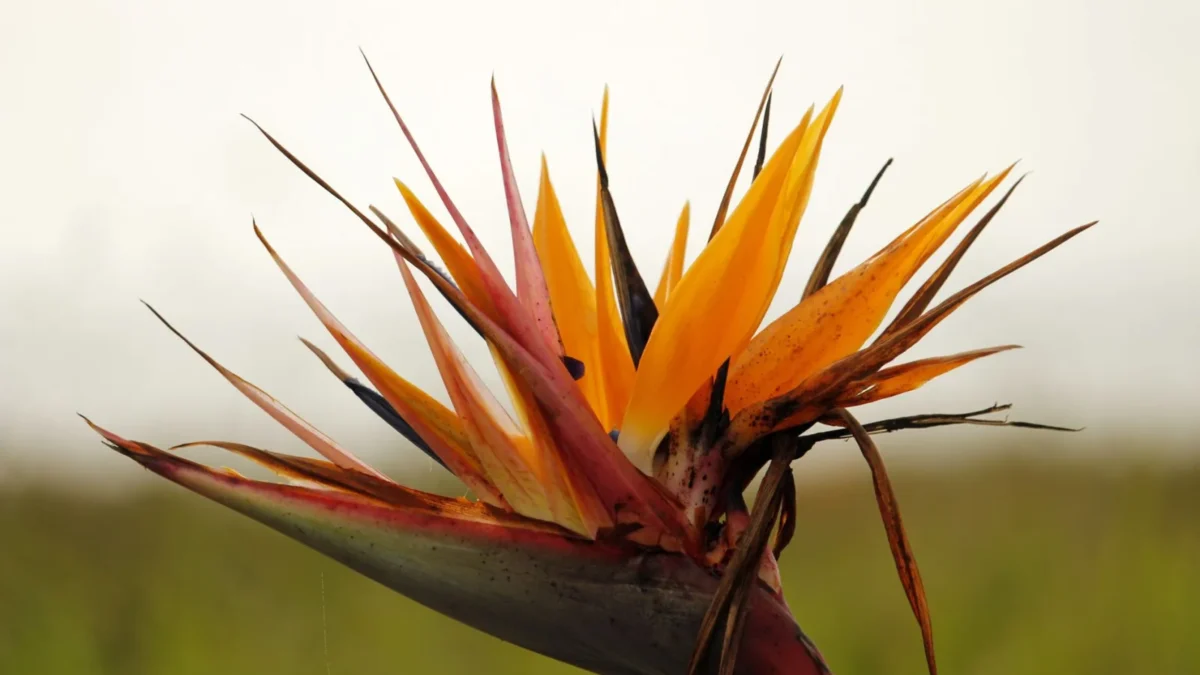
Quick answer: Orange discoloration on your Bird of Paradise leaves usually signals stress from underwatering, low humidity, or heat exposure. Check if the soil is dry and the air is too warm or dry, then adjust watering and humidity to restore healthy green foliage.
Orange Bird of Paradise at a glance
| Botanical name | Strelitzia reginae |
|---|---|
| Light | Full south or southwest window; at least 4-6 hours direct sunlight daily; shade from hot sun under glass |
| Watering | Weekly in spring and summer; every 10-14 days in fall; every 2-3 weeks in winter; water when top 2 inches of soil are dr |
| Humidity | 50-60% ideal; tolerates normal indoor humidity 30-50% |
| Temperature | 18-27°C (65-80°F) preferred; minimum 10-12°C (50-54°F) |
| Soil | Loam-based, peat-free compost with added grit for drainage |
| Feeding | Balanced liquid fertilizer monthly during growth |
| Size | 1-1.5 m tall; 0.5-1 m wide |
| Difficulty | moderate |
| What you see | Likely cause | What to do |
|---|---|---|
| Curling and orange or discolored leaves | Underwatering or heat stress | Check soil; if top 2–3 inches are dry, water deeply until it drains from the bottom |
| Discoloration with moist soil | Low humidity or heat from HVAC vent | Move the plant away from heat sources and raise humidity to 50–60% |
| Brown, crispy edges turning orange | Low humidity or tap water chemicals | Use filtered or rainwater and increase humidity above 30% |
| Leaf curl and discoloration together | Multiple stress factors | Address watering first, then humidity and temperature |
Why your bird of paradise leaves turn orange
Orange discoloration and curling happen together because the plant is responding to stress. The most common culprit is underwatering. Bird of Paradise has thick, fleshy roots that need a proper dry-down between waterings, but they still need consistent moisture during the growing season. Water deeply until it drains from the bottom, then wait until the top 2 inches are dry.
If your soil is moist but leaves are still discoloring, the problem is usually heat stress or humidity that’s too low. The plant drops moisture from its leaves as a defence mechanism when air is too warm or dry. Make sure humidity sits at least at 50%, ideally higher. The good news is Bird of Paradise tolerates normal indoor humidity (30–50%) better than most tropical plants, so a simple adjustment often fixes the issue.
Another cause is chemical burn from tap water. Chlorine and fluoride can accumulate on leaf edges, turning them brown and orange. Switch to filtered or rainwater, and flush your soil with plain water to clear any mineral buildup.
How to fix orange bird of paradise leaves
Check your watering schedule first. Water roughly weekly in spring and summer, every 10-14 days in fall, and every 2–3 weeks in winter. Always check the soil before watering. The rule is to water deeply until it drains, then wait for the top 2 inches to dry. Never leave the pot standing in water.
Raise humidity if soil is moist. Move your plant away from heating vents and hot spots. If humidity is below 30%, use a pebble tray (a shallow dish with pebbles and water beneath the pot) or a humidifier. Even misting the leaves occasionally helps during dry months.
Switch to filtered water. Trim brown tissue, switch to filtered or rain water, and flush the soil with plain water to remove mineral deposits.
Check the temperature. Your plant does best at 18–27°C (65–80°F). If it’s near a heat source or in a cold spot, relocate it to a more stable area.
Preventing orange discoloration
Keep your bird of paradise in a bright spot. It needs at least 4–6 hours of direct sunlight daily. Under glass, shade it from hot sun, but don’t deprive it of light. Consistent light and warmth reduce stress and keep leaves healthy green.
Stick to a watering routine based on the season and always test the soil first. During winter, overwatering is the most common way this plant develops root rot indoors, so cut back sharply. Use loam-based, peat-free compost with added grit for drainage to prevent water from sitting around the roots.
Read the full guide: Orange Bird of Paradise Care: The Complete Guide
More about Orange Bird of Paradise
The same problem in other plants
- Why Are My Amaryllis Leaves Turning Yellow?
- Why Is My Monstera Turning Yellow in Water?
- Why Are My Echeveria Leaves Turning Yellow?
- Why Is My Pencil Cactus Turning Yellow?
Sources
- Bird of paradise care — the complete indoor guide
- Strelitzia reginae: Scientific Profile
- Strelitzia reginae
Photo: Landiva Weber / Pexels, Pexels