Peperomia Peperomia obtusifolia
Peperomia Care: The Complete Guide to Growing Healthy Indoor Plants
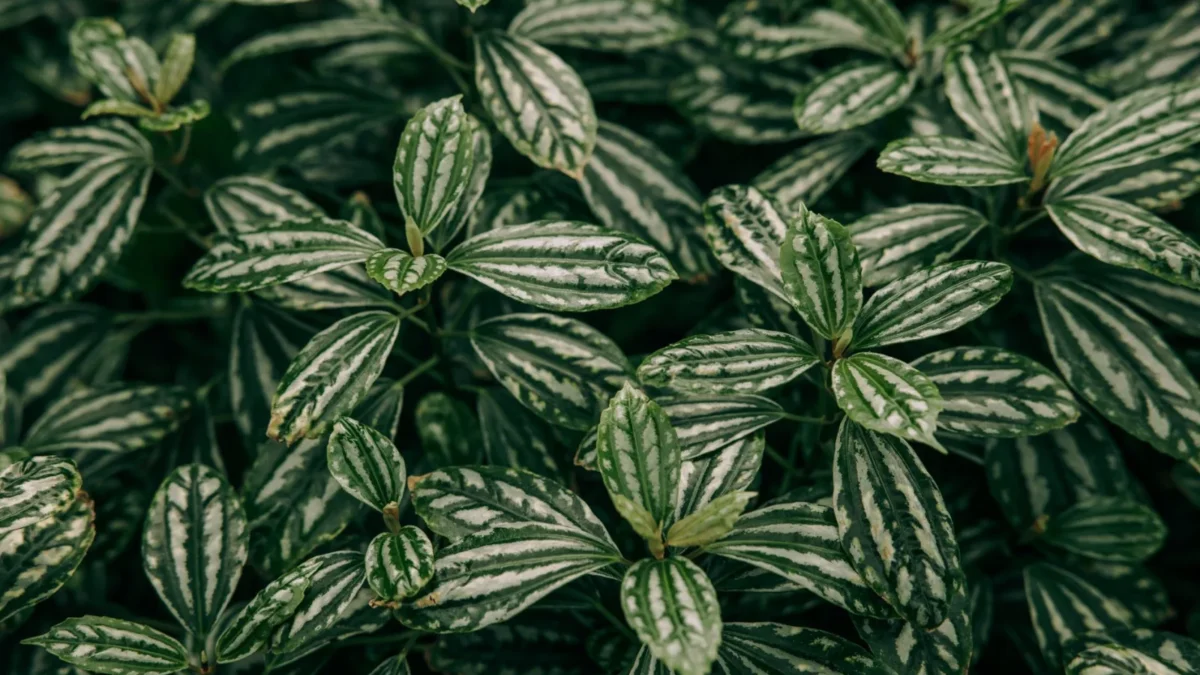
Peperomia care is straightforward once you understand a few key essentials. This compact houseplant with thick, fleshy leaves is remarkably low-maintenance and forgiving, making it ideal for plant lovers at any level. Read on to master everything from watering schedules to propagation techniques and keep your peperomia thriving year-round.
| Botanical name | Peperomia obtusifolia |
|---|---|
| Light | Bright indirect light; avoid direct sun which scorches leaves and deep shade which causes weak growth |
| Watering | Let top few centimetres of compost dry before watering; spring/summer every 10-14 days; autumn/winter every 21-28 days |
| Humidity | Prefers humid air; adapts to lower home humidity; consider humidified room or wet pebbles in summer |
| Temperature | Optimal 18-24°C; tolerated range 15-30°C; keep above 10°C to avoid cellular damage |
| Soil | Peat-based potting mix with 30% inorganic component (perlite, pumice, or horticultural grit); well-draining and nutrient |
| Feeding | Balanced liquid fertiliser every 4-6 weeks during spring and early summer |
| Size | Typically 12 inches tall as a houseplant with thick erect stems |
| Difficulty | easy |
Key points
- Bright indirect light is essential; direct sun scorches leaves while deep shade causes weak growth
- Water every 10–14 days in spring and summer, every 21–28 days in autumn and winter, letting the top few centimetres of compost dry first
- Overwatering is the leading cause of yellowing leaves and root rot; peperomias store water in their thick leaves and tolerate drought better than soggy soil
- Maintain temperatures between 18–24°C optimal, with a tolerated range of 15–30°C, and never let temperatures drop below 10°C
- Use well-draining peat-based potting mix with at least 30% inorganic material like perlite or pumice
- Apply balanced liquid fertiliser every 4–6 weeks during spring and early summer
Light Requirements for Peperomia
Your peperomia needs bright indirect light to thrive. Place it near a window where it receives plenty of natural light without direct sun exposure. Direct sunlight, particularly in summer, will scorch the leaves and damage them. Conversely, deep shade causes weak, spindly growth that looks straggly and unattractive.
If you have a variegated variety, pay extra attention to light levels. When placed in a dark corner, variegated peperomias will revert to solid green foliage as the plant attempts to maximise its photosynthetic capacity. A bright spot with filtered light—such as near a north-facing window or a few feet from an east or west-facing window—provides the ideal balance.
Watering Your Peperomia Correctly
Proper watering is the single most important factor in keeping your peperomia healthy. Let the top few centimetres of compost dry out between waterings. The key difference is seasonal: water every 10–14 days during spring and summer when the plant is actively growing, and reduce frequency to every 21–28 days in autumn and winter.
Overwatering is by far the leading cause of yellowing leaves in peperomias. The plant stores water in its thick leaves, meaning it actually tolerates drought much better than waterlogged soil. Peperomias are highly susceptible to root rot in persistently damp conditions, so err on the side of drying out slightly rather than keeping the soil constantly moist.
When you do water, water moderately but consistently. Only water when the top 50–75% of the soil is dry, and water until it flows freely from the drainage hole. This ensures the entire rootball is moistened without creating waterlogged conditions.
Humidity and Temperature Needs
Peperomias prefer humid air, such as you’d find in a steamy bathroom, but they adapt well to the lower humidity levels found in most homes. During summer, especially in dry climates, consider setting your plant on a tray of wet pebbles or placing it in a humidified room to raise humidity levels.
Temperature is equally important. The optimal daytime temperature range is 18–24°C, with a tolerated range of 15–30°C. Always keep your peperomia above 10°C; exposure to temperatures below this threshold causes cellular damage as ice crystals rupture cell membranes from within. Keep the plant away from cold draughts and heating vents that cause temperature fluctuations.
Soil and Repotting Guide
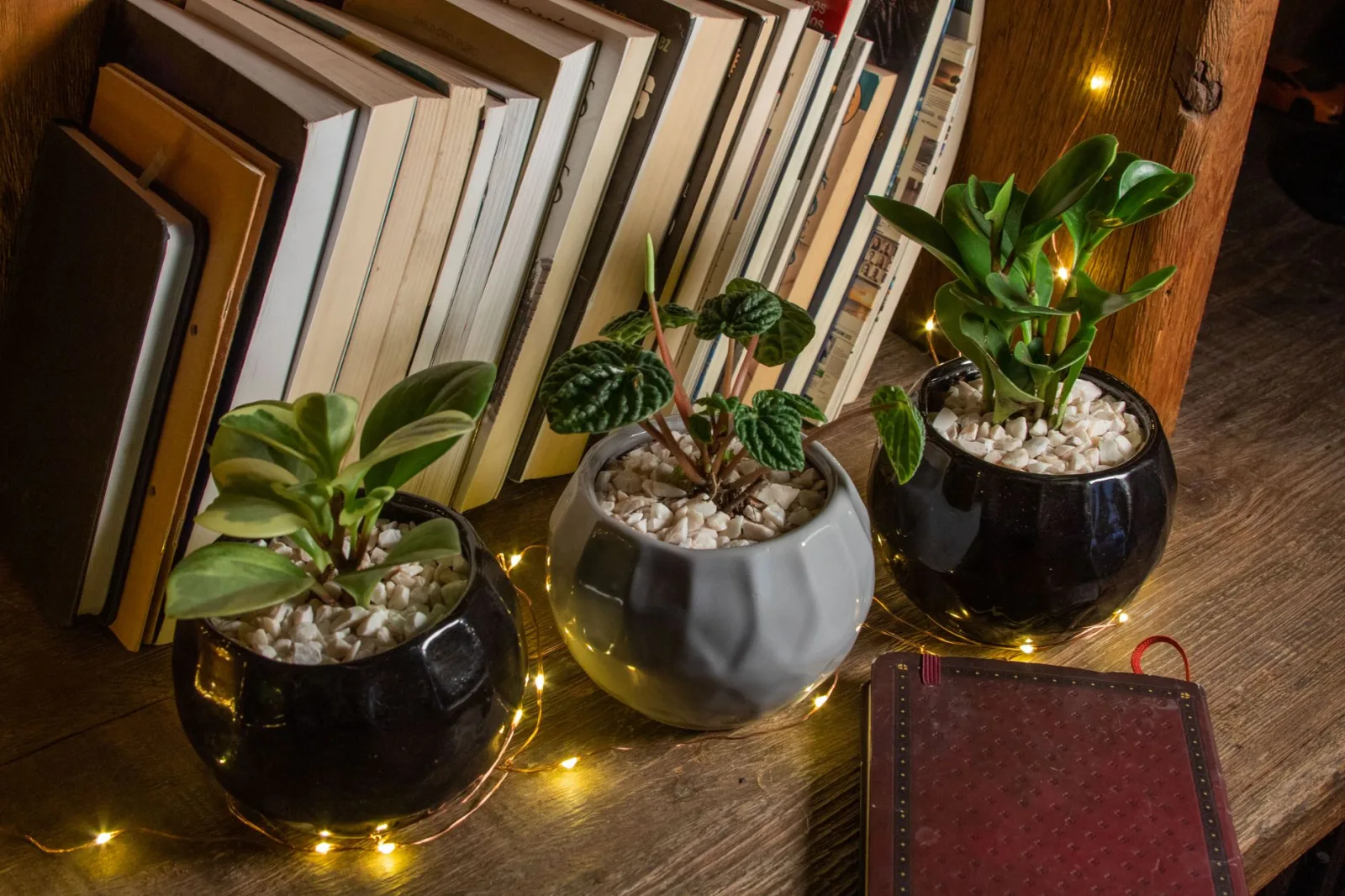
Peperomias grow naturally in rainforest environments where soil is spongy, organic-rich, and well-draining while retaining moisture. Replicate this with a peat-based potting mix that includes at least 30% inorganic material such as perlite, pumice, or horticultural grit. This combination keeps the soil well-draining and nutrient-rich, preventing the soggy conditions that lead to root rot.
Repot your peperomia into a container only slightly larger than its current pot—these compact plants don’t appreciate excess soil around their roots. Spring is the best time to repot. Ensure your pot has drainage holes and use fresh potting mix to refresh the growing medium.
Feeding and Fertilizer
During the growing season, apply a balanced liquid fertiliser every 4–6 weeks in spring and early summer. Follow the package instructions for dilution rates; balanced formulas typically contain equal ratios of nitrogen, phosphorus, and potassium.
Reduce feeding as days shorten in autumn and stop entirely through winter when growth slows naturally. Overfeeding won’t help—it can actually damage the plant by causing salt buildup in the soil.
Pruning and Shaping
No pruning is required for peperomias. The plant naturally maintains a compact, bushy form with its thick, erect stems and doesn’t need trimming to stay attractive. If a stem becomes leggy or damaged, simply remove it at the base. For a fuller appearance, you can propagate cuttings and plant them back into the pot alongside the mother plant.
Propagating Peperomia
Peperomia is exceptionally easy to propagate, making it a rewarding project for beginners. Stem or leaf cuttings have the highest success rate for most varieties. Within 4 to 6 weeks, you’ll have rooted baby plants ready to pot up.
Propagating from stem cuttings
Choose a healthy stem with three or more leaves and clip it just below the bottom leaf. Remove the lower leaves, leaving only two at the top; roots will grow from the joints where you removed the leaves. Place the cutting in water or moist soil in a warm spot with bright indirect light, and mist occasionally. Roots emerge in 4 to 6 weeks.
Propagating from leaf cuttings
Cut a healthy leaf at the point where the petiole (leaf stalk) meets the stem. Allow the cut end to callus for three to four hours before placing it in water or soil—this longer callusing period prevents rot on the larger cut surface. Mist with water, provide warm, bright indirect light, and wait 4 to 6 weeks for roots to develop.
Special notes for variegated varieties
If you’re propagating a variegated peperomia, use stem cuttings rather than leaf cuttings. Leaf cuttings from variegated varieties may produce plantlets with reduced or altered variegation patterns compared to the parent plant, whereas stem cuttings and division preserve variegation reliably.
Common Problems and Solutions
Yellowing leaves
The number one cause of yellowing leaves is overwatering. Reduce watering frequency, allowing more soil to dry between waterings. Spider mites can also cause yellowing by draining sap from leaves, making them appear dull and yellow. Insufficient light, low nutrients, or excessive light exposure may also trigger yellowing.
Curling leaves
Downward curling usually indicates loss of turgor pressure in the leaves, most commonly from root failure caused by prolonged waterlogged soil. Reduce watering and ensure your pot has drainage holes. A different type of downward curl—a rigid, dome-like bowing—signals chronic low light; move the plant to a brighter location. If soil has dried excessively, underwatering combined with drought stress can also curl leaves as water reserves deplete. Young leaves curling and becoming brittle and twisted may indicate spider mites.
Temperature stress causes curling too: temperatures below 15°C or above 26°C stress the plant and cause leaves to curl and droop.
Drooping or wilting
Wilting often stems from dehydration when soil has dried completely; though peperomias don’t need frequent watering, severe drying can stress the plant. More commonly, overwatering causes wilting as the plant receives too much water; yellowing often accompanies this, and you may smell rot from the pot. Insufficient light forces the plant to droop despite adequate water. Fungus gnats lay eggs in moist soil; their larvae feed on roots and cause leaves to curl from dehydration.
Is Peperomia Toxic to Cats and Dogs?
Is peperomia obtusifolia safe for pets?
The ASPCA classifies peperomia as non-toxic to both cats and dogs, and all parts of the plant are considered safe. It’s also recognised as a cat-friendly plant.
Can my pet eat peperomia leaves?
While non-toxic, cats and dogs love nibbling on peperomia foliage, which can lead them to eat enough to cause mild digestive upset despite the plant being safe. A curious bite causes no poisoning, but any plant foliage in large quantities may cause mild, short-lived stomach upset or vomiting simply from fibre and volume.
What if my pet eats a large amount?
Persistent vomiting, diarrhoea, or lethargy after eating any plant warrants a call to your vet. The reaction may be to soil, fertiliser, or pesticide residue rather than the plant tissue itself.
Can I grow peperomia safely in a home with cats and dogs?
Yes—peperomia is one of the safest houseplants for pet owners. Simply keep it out of reach if your pet is a persistent chewer, and provide other safe plants and enrichment to discourage excessive nibbling.
More about Peperomia
Sources
- Peperomia / RHS Plant Guide
- Peperomia Obtusifolia Care Guide: Light, Water, Soil & More
- Peperomia obtusifolia – Plant Finder
Photo: Maksim Goncharenok / Pexels, Pexels