Peperomia Peperomia obtusifolia
Why Are My Peperomia Leaves Curling: Causes and Solutions
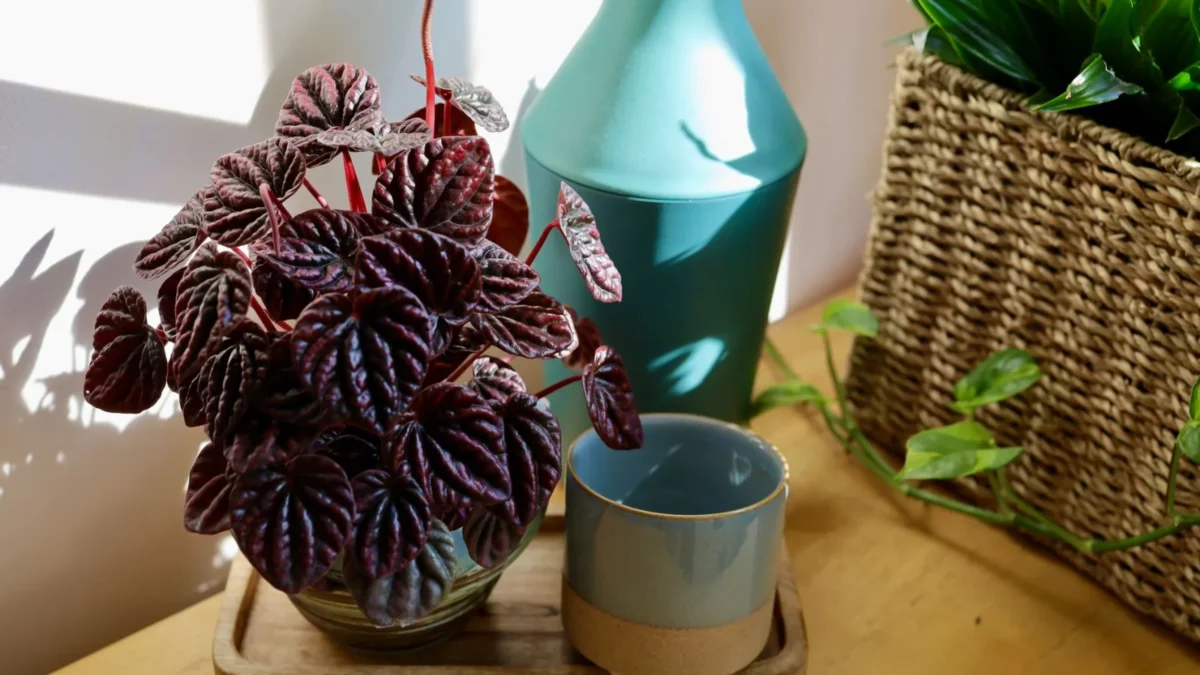
Quick answer: Peperomia leaves curl downward most often because overwatering has damaged the roots, preventing water uptake to the leaves. Low light can cause a rigid, dome-like curl, while temperature extremes and pest damage also trigger curling.
| Botanical name | Peperomia obtusifolia |
|---|---|
| Light | Bright indirect light; avoid direct sun which scorches leaves and deep shade which causes weak growth |
| Watering | Let top few centimetres of compost dry before watering; spring/summer every 10-14 days; autumn/winter every 21-28 days |
| Humidity | Prefers humid air; adapts to lower home humidity; consider humidified room or wet pebbles in summer |
| Temperature | Optimal 18-24°C; tolerated range 15-30°C; keep above 10°C to avoid cellular damage |
| Soil | Peat-based potting mix with 30% inorganic component (perlite, pumice, or horticultural grit); well-draining and nutrient |
| Feeding | Balanced liquid fertiliser every 4-6 weeks during spring and early summer |
| Size | Typically 12 inches tall as a houseplant with thick erect stems |
| Difficulty | easy |
| What you see | Likely cause | What to do |
|---|---|---|
| Leaves curl downward; soil feels wet; musty smell from pot | Overwatering and root rot | Let soil dry more between waterings; repot into fresh, well-draining mix |
| Rigid, dome-like downward curl; plant looks weak | Insufficient light | Move to bright indirect light |
| Leaves curl; soil is bone dry | Severe underwatering | Water more consistently; let top few centimetres dry, not entire pot |
| Leaves curl and feel brittle; tiny stippling visible | Spider mites or other sap-suckers | Inspect undersides; treat with neem oil or increase humidity |
| Leaves curl; plant droops; temperature is cold or very hot | Temperature stress | Keep between 18–24°C; avoid draughts below 10°C |
| Small black flies in soil; leaves curl from dehydration | Fungus gnats | Allow soil to dry more between waterings to break breeding cycle |
Why overwatering causes curling
The most common cause of peperomia leaves curling inward is loss of internal water pressure in the leaf (turgor), usually from root failure. When soil stays too wet, roots cannot access oxygen and eventually rot. Even though the surrounding soil is damp, the damaged roots cannot pump water to the leaves, so they lose firmness and curl. This is different from simple thirst—the plant has moisture around its roots but cannot use it.
To fix this: only water when the top 50–75% of the soil is dry, and water until it flows from the drainage hole. Repot into fresh, well-draining mix with at least 30% inorganic material like perlite or pumice. In spring and summer, that means watering roughly every 10–14 days; in autumn and winter, every 21–28 days.
Light and temperature problems
Insufficient light creates a structurally different curl—a rigid, dome-like bowing rather than a limp droop. Peperomia needs bright indirect light. If yours is in a dim corner, move it to a brighter spot away from direct sun, which can scorch the leaves.
Temperature stress above 30°C (86°F) or below 15°C (59°F) also triggers curling and wilting. Keep your plant in the optimal range of 18–24°C and away from cold draughts. Temperatures below 10°C cause irreversible cellular damage.
Pests and persistent dryness
Young leaves curling, feeling brittle, or becoming twisted can signal spider mites or similar sap-sucking insects. Check the undersides of leaves for fine webbing or tiny moving specks. Increase humidity by misting or setting the pot on wet pebbles.
If the entire pot is bone-dry and leaves are shrivelled, the plant has been underwatered for too long. Unlike most plants, peperomia stores water in its thick leaves and tolerates drought better than soggy soil, but complete drying still causes stress. Water more consistently, allowing only the top few centimetres to dry between waterings.
Preventing curled leaves
Water moderately and consistently, let the top of the soil dry before rewatering, and ensure the pot drains freely. Grow your peperomia in bright indirect light at 18–24°C with well-draining, nutrient-rich soil. These compact, forgiving plants adapt well to typical home conditions and will recover quickly once their roots and environment are adjusted.
Read the full guide: Peperomia Care: The Complete Guide
More about Peperomia
The same problem in other plants
- Why Are My Bird of Paradise Leaves Curling?
- Why Are My Money Tree Leaves Curling?
- Why Are My Chinese Money Plant Leaves Curling?
- Why Are My Calathea Leaves Curling?
Sources
- Peperomia / RHS Plant Guide
- Peperomia Obtusifolia Care Guide: Light, Water, Soil & More
- Peperomia Leaves Curling Down: Causes and Fixes
Photo: thAnh nguyễn / Pexels, Pexels