Peperomia Peperomia obtusifolia
Why Is My Peperomia Drooping and How to Fix It
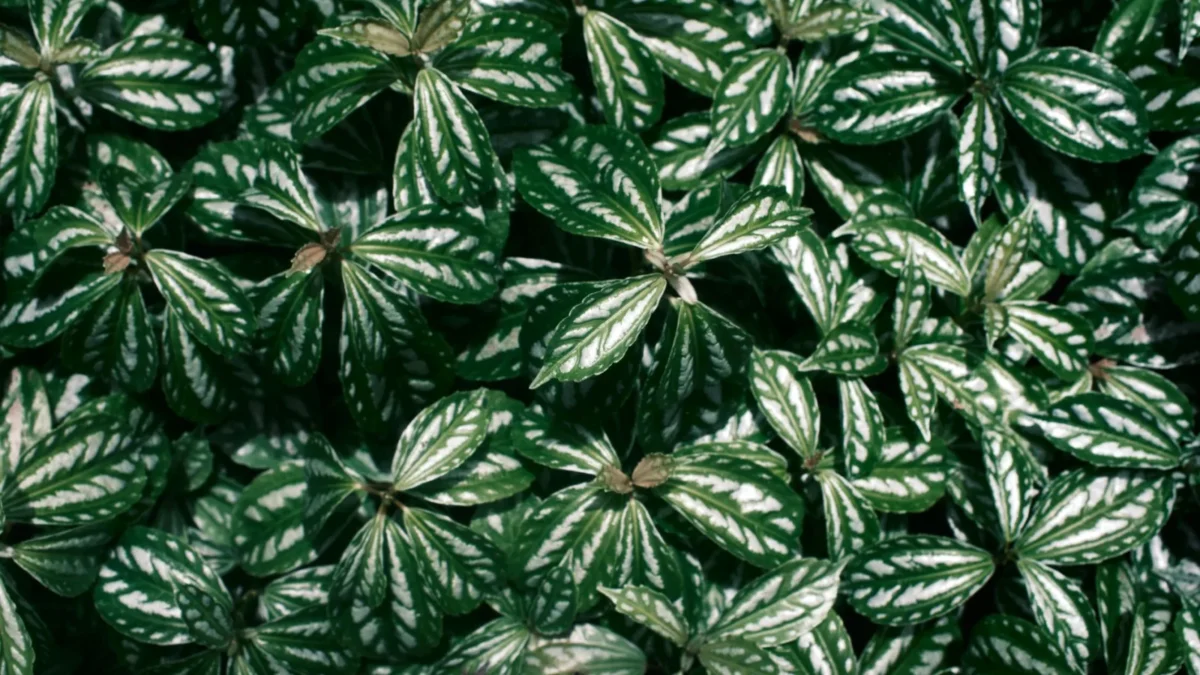
Quick answer: Why is my peperomia drooping? The most common cause is overwatering, followed by insufficient light, cold temperatures, or pest damage. Each problem shows different warning signs, and fixing it means adjusting one of these conditions.
| Botanical name | Peperomia obtusifolia |
|---|---|
| Light | Bright indirect light; avoid direct sun which scorches leaves and deep shade which causes weak growth |
| Watering | Let top few centimetres of compost dry before watering; spring/summer every 10-14 days; autumn/winter every 21-28 days |
| Humidity | Prefers humid air; adapts to lower home humidity; consider humidified room or wet pebbles in summer |
| Temperature | Optimal 18-24°C; tolerated range 15-30°C; keep above 10°C to avoid cellular damage |
| Soil | Peat-based potting mix with 30% inorganic component (perlite, pumice, or horticultural grit); well-draining and nutrient |
| Feeding | Balanced liquid fertiliser every 4-6 weeks during spring and early summer |
| Size | Typically 12 inches tall as a houseplant with thick erect stems |
| Difficulty | easy |
| What you see | Likely cause | What to do |
|---|---|---|
| Drooping with yellow leaves and soft stems | Overwatering and root rot | Reduce watering frequency; let top 50–75% of soil dry before watering again |
| Drooping stems, rigid dome-shaped curl in leaves | Low light | Move plant to bright indirect light |
| Drooping, curled leaves, bad smell from soil | Root rot from soggy conditions | Repot in fresh, well-draining soil with 30% inorganic material; water only when top few centimetres are dry |
| Drooping, dry crumbly soil, shrivelled leaves | Severe underwatering | Water thoroughly until water drains from bottom; allow top of soil to dry between waterings, not the entire pot |
| Drooping, curled leaves; tiny twisted growth | Spider mites or fungus gnats | Inspect undersides of leaves for webs or tiny moving insects; isolate plant and treat with neem oil or insecticidal soap |
| Drooping after exposure to cold | Temperature stress | Move away from cold draughts; keep above 10°C; avoid temperatures above 30°C |
Why peperomia leaves are drooping: the main causes
Your peperomia’s droop is a loss of leaf turgor—the internal water pressure that keeps leaves firm and upright. The cause depends on how the drooping looks and what else you notice about the plant.
Overwatering and root rot are the number one reason peperomias droop. The plant stores water in its thick leaves and tolerates dry soil far better than soggy compost. When soil stays wet, roots can’t absorb oxygen and begin to rot, leaving leaves unable to draw up water even though the soil is damp. You’ll spot yellow leaves, soft mushy stems, and often a foul smell from the pot.
Low light causes a different kind of droop—a rigid, dome-shaped downward curve rather than limp wilting. Peperomias need bright indirect light to thrive; deep shade produces weak, spindly growth and drooping leaves.
Temperature extremes stress the plant quickly. Temperatures below 10°C cause cellular damage that is irreversible; keep your peperomia above 10°C and away from cold draughts. Heat above 30°C also causes drooping and leaf curl.
Underwatering, though less common with peperomias, will eventually cause drooping if the soil dries out completely for too long. The difference is that the soil feels bone-dry to touch, not wet.
Spider mites and fungus gnats drain the plant’s moisture by feeding on roots or sap, causing yellowing, curling, and drooping leaves.
How to fix your peperomia’s droop
Once you’ve identified the cause, the fix is straightforward:
-
For overwatering: Adjust your schedule immediately. Let the top few centimetres of compost dry before watering again. In spring and summer, water every 10–14 days; in autumn and winter, every 21–28 days. Water until it drains freely from the bottom, then discard standing water.
-
For low light: Move the plant to a spot with bright indirect light. This is non-negotiable—without it, your peperomia will continue to decline.
-
For temperature stress: Relocate the plant away from cold windows, doors, and air conditioning vents. Maintain a daytime temperature of 18–24°C for best results.
-
For underwatering: Water thoroughly and return to a consistent schedule. Allow the top layer to dry between waterings, but don’t let the entire pot dry out.
-
For pests: Isolate the plant, spray leaves and soil with neem oil or insecticidal soap, and repeat weekly until pests are gone.
If drooping persists after you’ve corrected the obvious problem, check the soil. If it’s soggy and smells sour, repot the plant into fresh potting mix—peat-based with at least 30% perlite, pumice, or horticultural grit for drainage. Trim away any blackened, mushy roots before repotting.
How to prevent peperomia drooping
The easiest way to keep your peperomia healthy is to water carefully and provide consistent light. Water moderately but consistently, allowing soil to almost dry on top before rewatering. Check the soil with your finger weekly—if the top feels dry, water; if it’s still damp, wait. Peperomias are forgiving of occasional neglect, but they hate constant moisture.
Place your plant where it receives bright indirect light year-round. Even if you live in a dim home, a spot near an east-facing window or a few feet back from a south-facing window works well. Keep the plant in the optimal temperature range of 18–24°C, away from draughts and heat sources.
Read the full guide: Peperomia Care: The Complete Guide
More about Peperomia
The same problem in other plants
- Why Is My Chinese Evergreen Drooping?
- Why Is My Prayer Plant Drooping? Causes and Recovery Steps
- Why Is My Dracaena Marginata Drooping and Dropping Leaves?
- Why Is My Jade Plant Drooping and Wilting?
Sources
- Peperomia / RHS Plant Guide
- Peperomia Obtusifolia Care Guide: Light, Water, Soil & More
- Why does my Peperomia have yellow leaves?
Photo: Junior Machado / Pexels, Pexels