Peperomia Peperomia obtusifolia
How to Propagate Peperomia from Stem and Leaf Cuttings
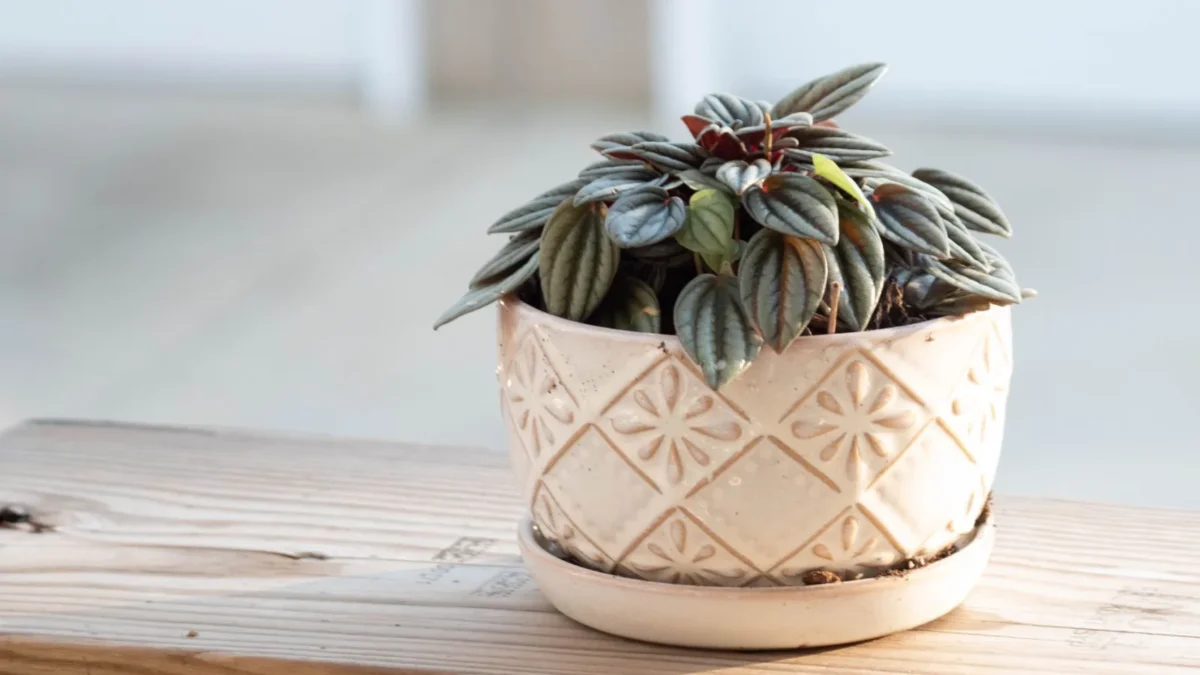
Quick answer: Here’s how: You can propagate peperomia from both stem and leaf cuttings in soil or water, with roots developing in 4 to 6 weeks. Stem cuttings are the easiest method for beginners and work best for variegated varieties, while leaf cuttings also succeed with proper technique.
| Botanical name | Peperomia obtusifolia |
|---|---|
| Light | Bright indirect light; avoid direct sun which scorches leaves and deep shade which causes weak growth |
| Watering | Let top few centimetres of compost dry before watering; spring/summer every 10-14 days; autumn/winter every 21-28 days |
| Humidity | Prefers humid air; adapts to lower home humidity; consider humidified room or wet pebbles in summer |
| Temperature | Optimal 18-24°C; tolerated range 15-30°C; keep above 10°C to avoid cellular damage |
| Soil | Peat-based potting mix with 30% inorganic component (perlite, pumice, or horticultural grit); well-draining and nutrient |
| Feeding | Balanced liquid fertiliser every 4-6 weeks during spring and early summer |
| Size | Typically 12 inches tall as a houseplant with thick erect stems |
| Difficulty | easy |
Stem cuttings – the best starting method
Stem cuttings are your most reliable route to new peperomia plants.
- Select your cutting: Choose a healthy stem with at least three leaves on it.
- Make the cut: Clip the stem right below the bottom leaf.
- Remove lower leaves: Strip away the bottom leaves so only two remain at the top. The roots will grow from where those leaves were attached.
- Place in soil or water: Insert the cutting into moist, well-draining soil with at least 30% inorganic material (perlite, pumice, or grit), or place it directly in water.
- Provide the right conditions: Mist the cutting, place it in warm, bright indirect light, and maintain temperatures between 18–24°C.
- Wait for roots: You’ll see new roots in 4 to 6 weeks.
For variegated peperomia varieties, always choose stem cuttings—they reliably carry over the variegated colors to the new plant.
Leaf cuttings – a slower but rewarding option
Leaf cuttings take slightly longer but work well for solid-colored varieties.
- Cut the leaf: Carefully remove a leaf where the petiole (leaf stalk) meets the stem.
- Let it callus: Allow the cut end to dry for three to four hours before planting. This prevents rot better than with stem cuttings because the petiole has a larger cut surface.
- Plant or water prop: Place the calloused leaf in moist soil or water in bright, indirect light.
- Mist regularly: Keep conditions consistently humid and warm.
- Expect roots in 4–6 weeks: Once rooted, you’ll have a new baby clone.
If you’re propagating a variegated cultivar from leaf cuttings, note that the new plant may have reduced variegation compared to the parent. Stem cuttings preserve the original pattern more reliably.
Care during and after rooting
Keep cuttings in bright, indirect light—direct sun scorches leaves while deep shade causes weak growth. Water soil cuttings when the top few centimetres feel dry. Change water propagation cuttings every few days to prevent stagnation. Maintain warmth around 18–24°C for best results.
Once roots appear, wait another week or two before potting up or moving water-rooted cuttings to soil. Use the same well-draining mix you’d use for the parent plant—peat-based with 30% perlite or similar.
FAQ
Can I propagate variegated peperomia from leaf cuttings?
You can, but stem cuttings are much more reliable. Leaf cuttings from variegated varieties may produce plantlets with altered or reduced variegation patterns.
How long before I can repot rooted cuttings?
Wait 4 to 6 weeks for roots to develop fully. Let them establish for another week or two before potting into soil if they’ve been in water.
What temperature do peperomia cuttings need?
Keep them between 18–24°C for optimal growth. Avoid temperatures below 10°C, which causes cellular damage to leaves.
Read the full guide: Peperomia Care: The Complete Guide
More about Peperomia
The same problem in other plants
- How to Propagate Boston Ferns: A Beginner's Guide
- How to Propagate Money Tree: A Step-by-Step Guide
- How to Propagate Chinese Money Plant: A Beginner's Guide
- How to Propagate Hoya Carnosa: Step-by-Step Methods
Sources
Photo: Rufaro Makaya / Pexels, Pexels