Pothos Epipremnum aureum
Why Is My Pothos Drooping and How to Fix It
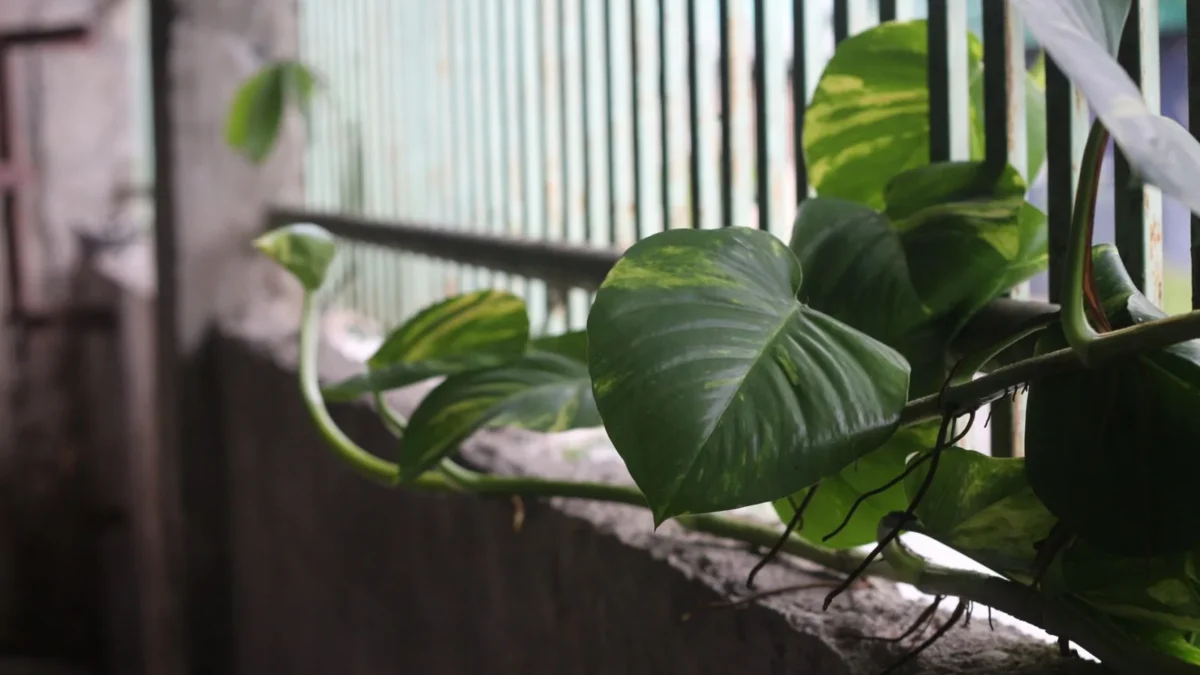
Quick answer: Pothos droops most often from underwatering or overwatering. Check your soil moisture first—if it’s dry, water immediately; if it’s wet, stop watering and let it dry. Low humidity and cold temperatures can also cause drooping, though less commonly.
| Botanical name | Epipremnum aureum |
|---|---|
| Light | Bright indirect light; tolerates low light but variegation fades and growth slows |
| Watering | Water when top 1-2 inches of soil feels dry; every 7-14 days average |
| Humidity | Moderate to high humidity, above 40%; mist leaves or use humidifier if dry |
| Temperature | 60-85°F (15-29°C) |
| Soil | Well-draining mix: orchid bark, perlite, peat, or coco coir; moist but not soggy |
| Feeding | Balanced water-soluble fertilizer every 2-3 months during spring and summer |
| Size | Trailing vine; mature leaves to 30 inches long with deep lobes |
| Difficulty | easy |
| Cats | ⚠️ toxic — Insoluble calcium oxalates cause oral irritation, burning, drooling, vomiting |
| Dogs | ⚠️ toxic — Insoluble calcium oxalates cause oral irritation, burning, drooling, vomiting |
Underwatering causes dramatic drooping that recovers fast
When soil dries out completely, your Pothos loses the turgor (internal water pressure) that keeps leaves firm and upright. The good news: Pothos is remarkably forgiving here. Leaves will droop dramatically when thirsty and recover within hours once watered.
To fix it, start watering immediately and consider deep watering. The dry, crumbly soil is the giveaway— it means the plant is curling inward to conserve moisture.
Going forward, water when the top 1-2 inches of soil feels dry to the touch rather than following a fixed schedule. During summer, you may water 1-2 times a week as growth accelerates, while in winter, once every 10-14 days is often enough.
Overwatering causes drooping that persists and worsens
This is trickier because the symptoms feel similar at first—leaves droop—but the soil tells a different story. Curling leaves with moist soil signal overwatering, not drought; more water accelerates root rot.
When soil stays constantly wet, roots switch from aerobic respiration to anaerobic fermentation, which produces far less energy and generates toxic byproducts. As root cells die, the plant loses the ability to absorb water and nutrients, so leaves droop even though moisture is available.
Unhealthy roots from root rot appear black and feel mushy; they can even fall off when touched. These are the roots you want to cut off to prevent the disease from spreading.
To save the plant, repot it in a fresh, well-drained soil mix. Use orchid bark, perlite, peat, or coco coir to mimic Pothos’s natural environment and prevent compaction; the soil should remain moist but not soggy.
Low humidity and cold temperatures trigger protective curling
If your soil moisture is correct but leaves still droop, check your environment. Pothos is a tropical vine at heart and prefers moderate to high humidity, generally above 40 percent. Below 40% relative humidity, leaves curl inward to reduce water loss—this can happen in under 48 hours.
To increase humidity, mist the leaves regularly, place a humidifier nearby, or group your Pothos with other plants to create a microclimate with higher humidity. Indoor heating in winter and air conditioning in summer both dry the air significantly.
Temperature also matters. Pothos prefers temperatures between 60°F and 85°F. Cold drafts or temps below 60°F can cause leaves to droop as the plant slows down.
FAQ
Why is my pothos droopy after repotting?
Repotting stress is temporary; the plant is adjusting to a new soil environment. Ensure the new soil is well-draining (orchid bark, perlite, peat, or coco coir) and moist but not soggy. Place it in bright, indirect light and avoid watering for a few days unless the top 1-2 inches feels bone dry. Recovery usually takes 1-2 weeks.
How often should I water to prevent drooping?
Water when the top 1-2 inches of soil feels dry to the touch; this typically means every 7-14 days on average, but check soil moisture rather than follow a fixed schedule. Check the moisture level 1-2 times per week to stay ahead of problems.
The same problem in other plants
- Why Your Amaryllis Leaves Are Drooping and How to Revive It
- Why Are Your Snake Plant Leaves Drooping and How to Fix It
- Why Is My Pencil Cactus Drooping or Dropping Branches?
- Why Are My Alocasia Frydek Leaves Drooping?