Pencil Cactus Euphorbia tirucalli
Why Is My Pencil Cactus Dying? Diagnose and Fix Drooping Branches
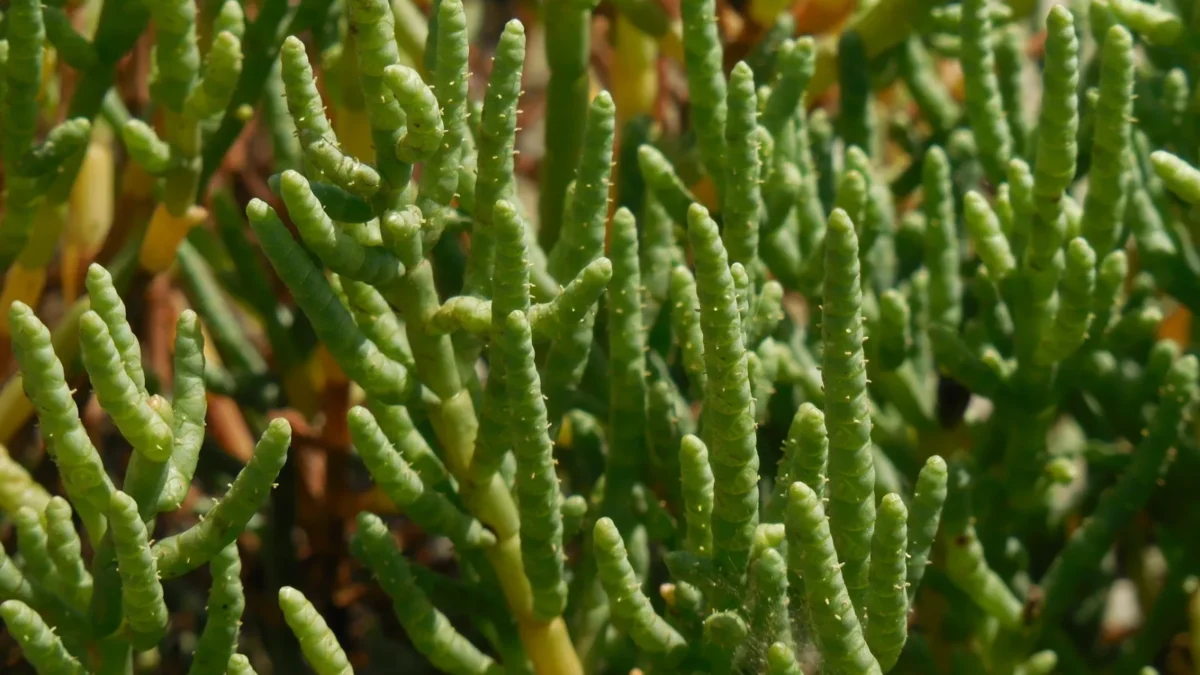
Quick answer: Your pencil cactus is dying mostly from overwatering—the most common mistake that leads to root rot and drooping or dropping branches. Cold temperatures, drafts, compacted soil, and nutrient imbalances also cause branches to weaken and fall. Most of these problems are reversible if you catch them early.
| Botanical name | Euphorbia tirucalli |
|---|---|
| Light | Bright direct light; south or west-facing window ideal; tolerates bright indirect light |
| Watering | Water when top inch of soil is dry; every 2-3 weeks spring/summer; monthly or less in winter |
| Humidity | Dry to neutral environment; below 50% humidity; misting not advised |
| Temperature | 65-80°F ideal; never below 50°F; benefits from slight day-to-night temperature dip |
| Soil | Sandy, well-draining cactus or succulent soil; excellent drainage essential |
| Feeding | Balanced fertilizer at half strength monthly during growing season; or once yearly in spring |
| Size | 6-8 feet tall as houseplant; 20-30 feet outdoors |
| Difficulty | easy |
| Cats | ⚠️ toxic — Irritant latex sap causes oral irritation, vomiting, diarrhea |
| Dogs | ⚠️ toxic — Irritant latex sap causes oral irritation, vomiting, diarrhea |
| What you see | Likely cause | What to do |
|---|---|---|
| Soft, mushy stems; yellowing | Overwatering or root rot | Let soil dry completely between waterings; repot in fresh cactus soil if rot smells present |
| Droopy, shriveled, dried stems | Underwatering | Water thoroughly but less frequently; check you’re waiting until top inch is dry |
| Sudden branch drop; weak growth | Cold air or drafts | Move away from AC vents, drafty windows, doors; keep above 50°F |
| Weak, pale, stretched growth | Insufficient light | Move to a bright, south or west-facing window with direct sun |
| Compacted, hard soil that won’t drain | Poor drainage or old soil | Repot using cactus or succulent soil with excellent drainage |
Why your pencil cactus is drooping or dropping branches
Overwatering is the culprit in most cases. Because the plant stores water in its fleshy stems, it’s far more likely to suffer from overwatering than underwatering. When roots sit in wet soil, they rot and can’t absorb nutrients or water, even though the soil looks moist. This causes stems to soften and branches to drop.
Cold temperatures are another major cause. Air conditioning vents and drafty windows can shock your plant and result in branch loss. The ideal temperature range is 65–80°F, and the plant should never drop below 50°F. Constant cold air from cracks in doors and windows can really damage the plant.
Compacted soil prevents water from draining properly. When soil becomes hard and dense, water sits instead of draining, eventually leading to root rot and drooping or mushy stems.
Weak growth from insufficient light can also make branches droop. Without extended, direct light, your plant will stretch and weaken. Pale, stretched, or floppy growth signals not enough light—move it to a brighter spot with several hours of sun.
How to save your dying pencil cactus
-
Check the soil and roots. Gently remove the plant from its pot. Healthy roots are firm and tan or white; rotted roots are black, mushy, and smell sour. If rot is present, cut away dead roots with clean scissors and repot immediately.
-
Repot in fresh, well-draining soil. Excellent drainage is the most important characteristic of soil for pencil cactus. Sandy, well-draining cactus or succulent soil works best. This alone often saves an overwatered plant.
-
Adjust your watering schedule. Water only when the top inch of soil is dry. In spring and summer, this is typically every 2–3 weeks; roughly once a month or less in winter. When in doubt, underwater—overwatering and soggy roots are the most common way to kill this plant.
-
Move away from cold air. Keep the plant away from air conditioning vents, drafty windows, and doors. Ensure it stays in a warm spot between 65–80°F.
-
Increase light exposure. A sunny south or west-facing window is ideal. Turn the plant weekly so all sides receive equal light. If it’s been in low light, move it gradually over a week to prevent sun scorch.
-
Check fertilizer use. Over-fertilization can cause drooping. Your pencil plant only needs fertilizer once a year, ideally in spring. Use a balanced fertilizer at half the recommended dose.
How to prevent your pencil cactus from dying
Stick to the “soak and dry” method: pour water slowly over the entire soil surface until it drains from the bottom, then let the soil dry completely before watering again. If you do overwater, allow the soil to dry out completely.
Keep your plant in a warm, bright location away from temperature swings and cold drafts. Bright direct light is ideal, though the plant can adapt to bright indirect light.
Repot every year or two with fresh cactus soil to prevent compaction. Healthy, well-draining soil is non-negotiable for this plant’s survival.
Read the full guide: Pencil Cactus Care: The Complete Guide
More about Pencil Cactus
The same problem in other plants
- Why Your Amaryllis Leaves Are Drooping and How to Revive It
- Why Are Your Snake Plant Leaves Drooping and How to Fix It
- Why Is My Pothos Drooping and How to Fix It
- Why Are My Alocasia Frydek Leaves Drooping?
Sources
- Pencil Cactus Plant Care
- How to Grow and Care For Pencil Plant – The Unusual Succulent
- Pencil Cactus Care Guide: Euphorbia tirucalli Plant Care Tips
Photo: Supun Randika / Pexels, Pexels