Snake Plant Dracaena trifasciata
Why Are Your Snake Plant Leaves Drooping and How to Fix It
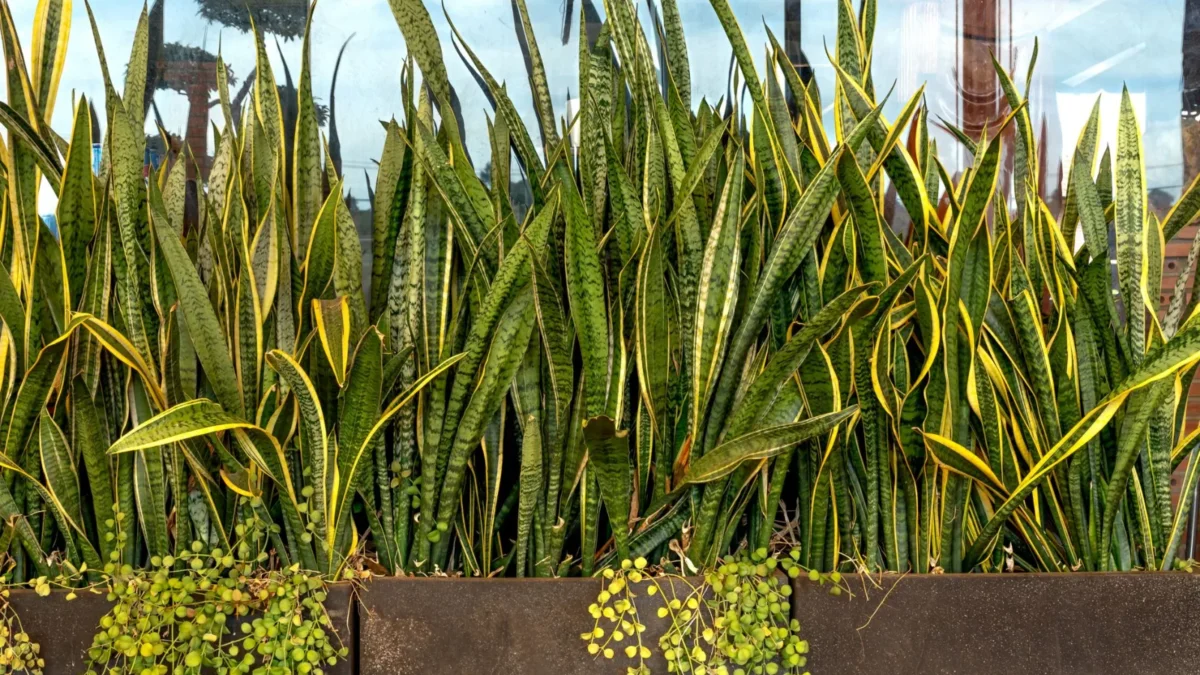
Quick answer: Snake plant leaves droop most often from overwatering and waterlogged roots, but cold drafts and poor drainage can also cause it. The fix depends on the cause—reduce watering, repot in well-draining soil, or move the plant away from cold air.
| Botanical name | Dracaena trifasciata |
|---|---|
| Light | Moderate to bright indirect light; tolerates low light; 2-6 hours direct sun |
| Watering | Water when soil is 100% dry; every 2-4 weeks spring/summer, 6-8 weeks winter |
| Humidity | Average room humidity is ideal; no misting needed |
| Temperature | Thrives 70-90°F (21-32°C); tolerates around 50°F |
| Soil | Well-draining potting mix; potting soil, perlite, and sand mixture |
| Feeding | Once every two months during summer/growing periods; 2-3 times yearly |
| Difficulty | easy |
| Cats | ⚠️ toxic — Saponins cause nausea, vomiting, diarrhea in cats |
| Dogs | ⚠️ toxic — Saponins cause nausea, vomiting, diarrhea in cats |
Overwatering and Root Rot
The single most common reason snake plant leaves droop is overwatering. When you water too often, the soil stays wet longer than the plant’s roots can handle. The roots begin to rot in the waterlogged conditions, and once the root system fails, it cannot absorb water or nutrients to send up to the leaves, even though the soil is soaking.
Drooping leaves from root rot have a telltale texture. Healthy snake plant leaves are firm and almost rigid, but overwatered ones feel soft and squishy—almost mushy. If you gently squeeze a drooping leaf and it releases moisture or collapses, overwatering is your problem.
To confirm root damage, remove the plant from its pot and inspect the roots. Healthy roots are yellow or white, but rotting roots have dark brownish parts and feel soft and mushy when touched.
If root rot is mild, the fix is straightforward: repot the plant in fresh, well-draining soil. A mixture of regular potting soil, perlite, and sand works well. Use a pot with adequate drainage holes, and adjust your watering schedule so the soil dries out completely between waterings. In spring and summer, water every 2 to 4 weeks; in winter, every 6 to 8 weeks.
If root rot is severe—the majority of roots are dark and mushy—you can propagate healthy leaf sections or pups to start fresh plants. The fastest method is division: slice the root ball into sections, ensuring each has at least three rhizomes or a leafy top.
Poor Drainage in the Soil or Pot
Even if you water correctly, drooping happens when the potting mix doesn’t drain quickly enough. If water sits around the roots for hours after watering, root rot develops even with proper frequency. Check whether your pot has drainage holes at the bottom—without them, water has nowhere to go.
The soil itself matters too. Heavy, dense potting mixes or garden soil trap moisture. Repot into a looser mix with perlite and sand to let water pass through quickly.
Cold Temperatures and Drafts
Snake plants thrive between 70°F and 90°F (21°C–32°C). If your plant sits near a cold draft—from a leaky window in winter or an air conditioner in summer—the sudden temperature shock can cause leaves to curl and droop. The plant goes into stress and closes up to conserve moisture.
The plant tolerates temperatures around 50°F, so brief dips aren’t fatal, but prolonged cold makes it sluggish. Move the plant away from drafty windows, exterior walls, and vents.
Heating vents and baseboard heaters create the opposite problem: very hot, dry air that dehydrates leaves faster than the roots can replace the water. Move your plant a few feet away from these heat sources.
How to Prevent Drooping Snake Plant Leaves
The key is matching water to the plant’s dry climate heritage. Wait until the potting soil is 100% dry from top to bottom before watering again. In spring and summer, check the soil every 10–14 days; in winter, every 35–45 days. Your snake plant stores water in its leaves, so it prefers dry spells over constant moisture.
Use a pot with drainage holes and a well-draining mix. These two changes prevent 90% of drooping problems.
Keep the plant away from cold drafts, heating vents, and direct heat sources. Place it in moderate to bright indirect light, 2 to 6 hours of direct sun per day, ideally near an east or west-facing window.
The same problem in other plants
- Why Your Amaryllis Leaves Are Drooping and How to Revive It
- Why Is My Pothos Drooping and How to Fix It
- Why Is My Pencil Cactus Drooping or Dropping Branches?
- Why Are My Alocasia Frydek Leaves Drooping?
Sources
- Dracaena Trifasciata: Care and Growing Guide
- Dracaena trifasciata (Golden Birds Nest, Good Luck Plant, Mother-in-law's Tongue, Snake Plant)
- Snake Plant Watering: How Often to Water & Saving Mushy Roots
Photo: Quang Nguyen Vinh / Pexels, Pexels