Amaryllis Hippeastrum
Why Your Amaryllis Leaves Are Drooping and How to Revive It
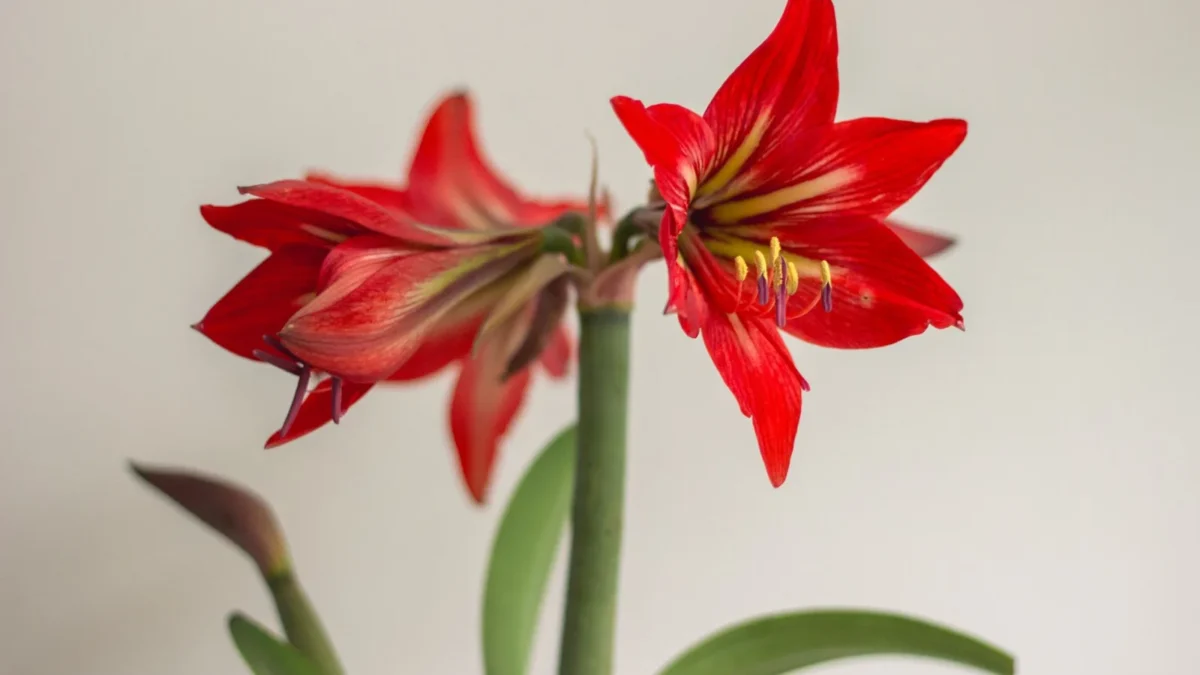
Quick answer: Amaryllis drooping leaves usually mean overwatering and poor drainage, but can also stem from insufficient light, cold exposure, or the plant’s normal energy cycle after flowering. Check your soil moisture and light conditions first, then adjust watering and relocate if needed.
| Botanical name | Hippeastrum |
|---|---|
| Light | Bright indirect light; some morning sun but not direct afternoon sun; bright light after flowering until mid-fall |
| Watering | Water when top inch of soil is dry during growing period; water sparingly until new leaves develop; avoid excess water i |
| Humidity | 40–60% preferred; average indoor humidity usually sufficient |
| Temperature | 70–75°F (21–24°C) during growing period; 55°F (13°C) September–November; around 50°F for fall dormancy; 15–18°C (60–65°F |
| Soil | Humusy, well-draining potting mix with perlite or coarse sand; peat-free John Innes No.2 or multipurpose |
| Feeding | Dilute balanced liquid fertilizer every 2 weeks during growth; high-potassium fertilization every 2–3 weeks after flower |
| Size | 1–2 feet tall, 0.75–1 foot spread; flowers 4–10 inches |
| Difficulty | moderate |
| Cats | ⚠️ toxic — Lycorine and alkaloids; vomiting, diarrhea, tremors, loss of appetite |
| Dogs | ⚠️ toxic — Lycorine and alkaloids; vomiting, diarrhea, tremors, loss of appetite |
The main culprits behind amaryllis drooping leaves
Drooping amaryllis leaves often point to one of four problems. The most common is droopy leaves often signal overwatering, leading to root rot. Look for yellowing leaves, a mushy bulb, or a foul odor from the soil—these are clear signs that your plant is struggling. Amaryllis bulbs don’t tolerate soggy soil; do not let the compost dry out, but avoid excess water collecting in the saucer.
Insufficient light is the second major cause. Leaf weakness in amaryllis is frequently caused by insufficient light, leading to a condition known as etiolation. When the plant does not receive enough bright light, it attempts to compensate by growing longer, thinner leaves to search for a light source. These elongated cells lack the structural strength and turgidity to stand up against gravity, resulting in the floppy posture where the leaves bend over at the base. During the growing phase, Hippeastrum requires bright, direct to indirect light throughout its active growing and foliage-building phases. Plants enjoy bright locations in the home with some morning sun, but not direct afternoon sun.
Cold shock is a third possibility. A windowsill that gets cold at night, an air-conditioning vent, or a cold tap-water drench can shock the roots and cause leaves to droop, yellow, or develop brown patches overnight. Keep your plant away from cold drafts and chilly windows in winter.
Finally, weak new leaves after flowering are often normal. Amaryllis leaves can also appear weak or floppy naturally following the plant’s intensive reproductive cycle. After the large, showy flowers fade, the plant diverts a significant amount of its stored energy into producing leaves, which are responsible for replenishing the bulb’s reserves through photosynthesis. If the bulb’s energy was heavily depleted by the bloom, the newly emerging leaves might initially lack the strength or density to be fully self-supporting as they grow taller.
How to diagnose and fix drooping leaves
Step 1: Check the soil. During the growing and flowering period, water when the top inch of the soil becomes dry. Feel the soil now—if it’s waterlogged or smells sour, overwatering is your problem. If overwatering is suspected, check the pot’s drainage hole to ensure it is not blocked; if water is pooling, tilt the pot to drain any excess immediately. Well-draining soil is essential. A quality houseplant or bulb mix with added perlite or coarse sand works well because it keeps the root zone moist but airy rather than dense and waterlogged.
Step 2: Inspect the bulb and roots. If the soil is soggy, remove the plant from the pot. Trim damaged roots and yellow leaves. Cut off any soft brown roots with clean scissors. Remove fully yellow leaves at the base — they won’t green back up. Leave half-yellow leaves alone for now; the plant is still pulling nutrients out of them. Repot into fresh, dry soil and wait several days before watering again.
Step 3: Move the plant to brighter light. Amaryllis plants thrive in bright light. If your leaves are elongated and pale, or if growth seems slow, inadequate sunlight might be the culprit. After flowering especially, strong light becomes even more important because the leaves need it to rebuild energy inside the bulb. Place the plant in a south- or east-facing window with several hours of gentle direct sun daily.
Step 4: Check the temperature. The amaryllis within the growing period (winter–spring) prefers temperatures of 70–75°F (21–24°C). Avoid placing the pot near cold windows, air-conditioning vents, or in rooms that dip below this range at night.
Step 5: Adjust watering going forward. Water sparingly until the new leaves develop and then start watering regularly. Resume regular watering only when you see active leaf or flower growth emerging from the bulb.
Preventing drooping leaves long term
The foundation is a snug pot with good drainage. Plant each bulb neck up with half of the bulb above the soil surface in a humusy, well-draining potting soil mix. Grow in pots/containers at least 6-8″ wide. After flowering, the secret to vigorous, strong leaves is consistent bright light and proper feeding. To get your Amaryllis to rebloom, follow the annual cycle: after flowering, allow the foliage leaves to grow through spring and summer in full sun with regular high-potassium fertilization every 2–3 weeks. Strong foliage now means less drooping in future seasons.
Read the full guide: Amaryllis Care: The Complete Guide
More about Amaryllis
The same problem in other plants
- Why Are Your Snake Plant Leaves Drooping and How to Fix It
- Why Is My Pothos Drooping and How to Fix It
- Why Is My Pencil Cactus Drooping or Dropping Branches?
- Why Are My Alocasia Frydek Leaves Drooping?