Echeveria Echeveria
Why Are My Echeveria Leaves Falling Off: Causes and Solutions
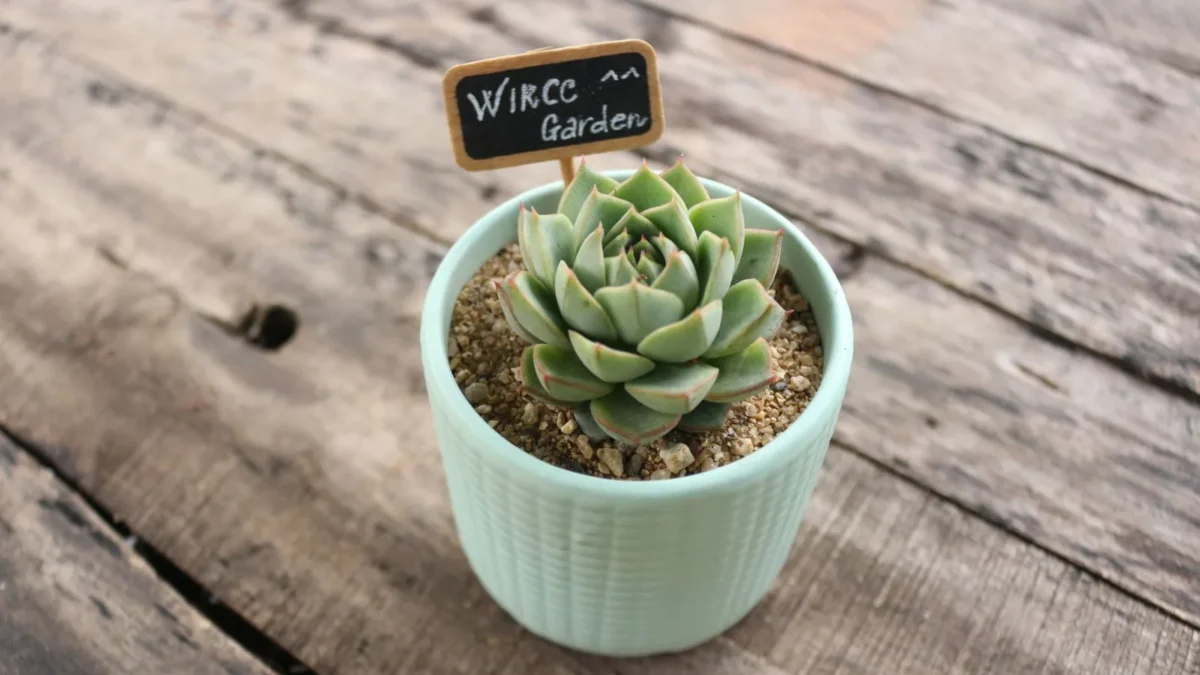
Quick answer: Echeveria leaves are falling off most often because you’re watering too much—succulents store water in their foliage and rot easily when soil stays wet. Cold drafts, humidity that’s too high, or root problems can also cause leaves to drop. The fix depends on what’s happening in your setup.
| Botanical name | Echeveria |
|---|---|
| Light | Bright indirect light; at least 4-6 hours daily; south or east-facing window |
| Watering | Water when soil approaches dryness; every 10-14 days summer, 28-35 days winter; never leave sitting in water |
| Humidity | 30-50%; avoid humid areas like bathrooms; humidity above 60% not ideal |
| Temperature | 65-80°F spring and summer, slightly cooler in winter; avoid below 45°F |
| Soil | Peat-free cactus compost or 1 part potting soil, 1 part perlite, 1 part coarse sand; well-draining |
| Feeding | Dilute, low-nitrogen fertilizer fortnightly during late spring and summer; not required |
| Size | 2-6 inches across in rosette form on short stems |
| Difficulty | easy |
| Cats | ✓ non-toxic |
| Dogs | ✓ non-toxic |
Why Echeveria Leaves Fall Off: The Main Causes
Overwatering is the number one killer of succulents, so the golden rule is to water only when the soil is completely dry. Mushy leaves on your Echeveria is a clear indicator of overwatering or root rot. If leaves are translucent, mushy, or falling off easily—especially starting from the bottom—you have rot, often from roots that have been sitting in damp soil too long.
Cold stress is another culprit. Sudden cold can cause leaves to droop. Echeveria aren’t tolerant of extreme cold or frost; temperatures below 45°F generally harm the plant. If your plant is near a drafty window or exposed to sudden temperature swings, leaves will start to drop as a stress response.
Humidity that’s too high creates the perfect environment for fungus and rot. Echeverias prefer drier air, similar to their native environments; high humidity can encourage fungal growth and lead to drooping leaves. They do best with humidity levels between 30% and 50%. Keep them out of bathrooms and kitchens unless there’s excellent ventilation.
Water left sitting in the center rosette is especially dangerous. Never let water sit in the center rosette of an Echeveria; water collected in the leaf cup causes crown rot within days, especially indoors where airflow is limited.
How to Stop Leaf Drop
-
Check the soil. Stick your finger into the pot—if it feels damp or wet, hold off watering. Water should be applied once the compost approaches dryness. In summer, that’s roughly every 10–14 days; in winter, every 28–35 days.
-
Inspect the roots. Gently remove the plant from its pot. Healthy roots are pale and firm; rotted roots are dark and mushy. If you see rot, trim away the dead material with clean scissors, let the roots dry for a day, then repot into fresh, dry cactus compost.
-
Move it away from cold drafts. Keep your plant away from drafty windows and ensure the room stays at a consistent temperature that mimics its native habitat. Aim for 65 to 80 degrees F in spring and summer.
-
Improve drainage. Plant them in peat-free cactus compost, which is gritty and sharply draining, in a pot with plenty of drainage holes. If you’re mixing your own, combine 1 part potting soil, 1 part perlite, and 1 part coarse sand.
-
Reduce humidity. Move the plant to a drier spot and ensure good air circulation. Avoid grouping it with other plants that require more moisture.
-
Avoid watering the crown. Water the soil only, keeping the rosette itself dry. After watering, empty any excess from the saucer right away.
Preventing Further Leaf Loss
Leaves that have already fallen won’t reattach, but you can prevent more from dropping by adjusting your routine now. Wait at least a week after repotting to water your Echeveria to reduce the risk of root rot. If the soil is still wet after repotting, skip watering entirely for a few days.
Watch for early warning signs. Wrinkled leaves indicate the plant needs more water—but only slightly more. Dark, rotted areas in your plant indicate you are overwatering. Use rainwater if possible, as fluoride in tap water can damage the leaves.
Once the plant has recovered and new growth appears, you can help it regrow a full rosette by ensuring it gets bright indirect light. Place your Echeveria near a south or east-facing window where it can soak up the rays. Good light, proper drainage, and patience will get your plant looking lush again.
The same problem in other plants
- Why Is My Elephant Bush Dropping Leaves?
- Why Are My String of Turtles Leaves Falling Off?
- Why Are My Begonia Maculata Leaves Falling Off?
- Why Is My Ti Plant Losing Leaves?
Sources
- Echeveria / RHS Plant Guide
- How to Grow Echeveria: Care, Planting, & Types
- Succulent Watering Schedule: Indoor & Outdoor Guide by Season (2026)
Photo: Biện Thanh Trúc / Pexels, Pexels