String of Turtles Peperomia prostrata
Why Are My String of Turtles Dropping Leaves? Causes and Fixes
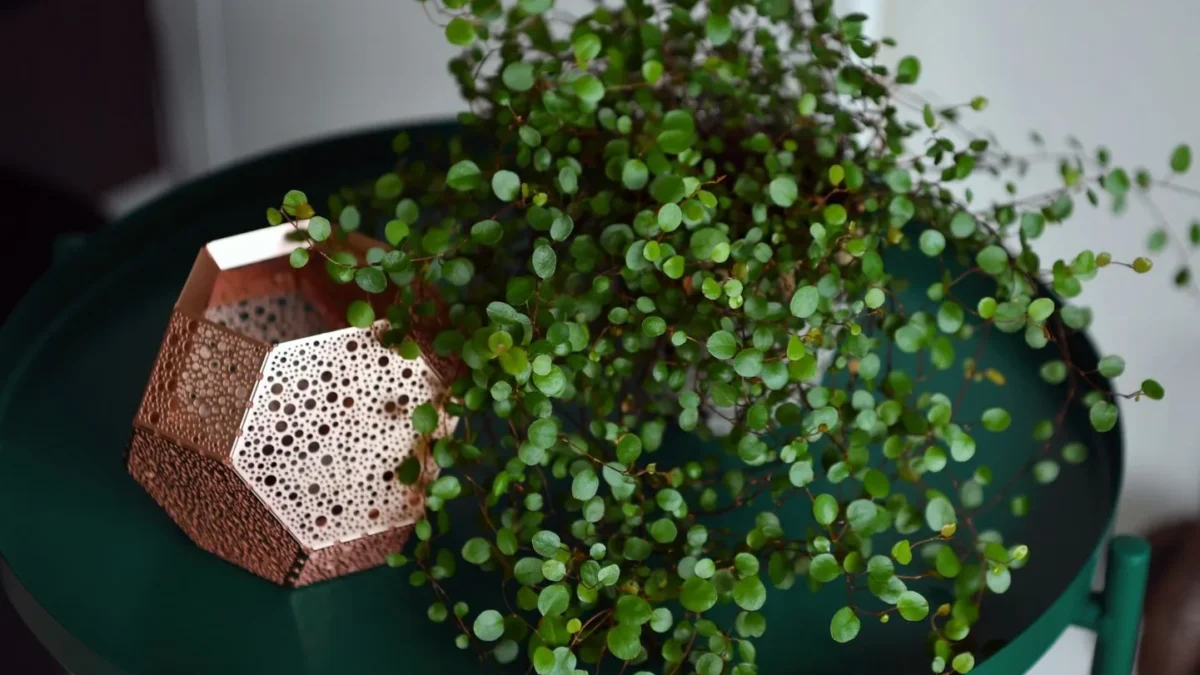
Quick answer: Your String of Turtles is dropping leaves most likely because of overwatering or cold exposure below 50°F (10°C). These are also the two easiest problems to identify and reverse once you know what to look for.
| Botanical name | Peperomia prostrata |
|---|---|
| Light | Bright indirect light in growth; full light in winter; avoid direct summer sun |
| Watering | Water when top 1 inch of soil is dry; moderate summer, sparse winter |
| Humidity | Prefers humid air; adapts to lower household humidity |
| Temperature | 18–30°C (65–86°F); keep above 10°C (50°F) |
| Soil | 50% peat/coco coir + 50% perlite/sand/pumice; loose, airy, slightly acidic pH 6.0-6.5 |
| Feeding | Balanced liquid fertilizer monthly spring to summer; dilute to half or quarter strength |
| Size | 0.1–0.5 m height and width |
| Difficulty | easy |
| What you see | Likely cause | What to do |
|---|---|---|
| Soft, mushy leaf bases; fallen leaves feel translucent | Overwatering and root rot | Reduce watering frequency; check if soil stays wet too long; repot in fresh, well-draining mix |
| Leaf drop after cold drafts or temperature dip | Exposure to cold below 50°F | Move away from windows, doors, or AC vents; keep temperature above 10°C (50°F) |
| Yellowing leaves before they fall | Root rot or nutrient deficiency | If you’ve been fertilizing, it’s likely overwatering; if not, apply balanced fertilizer monthly in spring and summer |
| Leaf drop with no obvious damage | Sudden humidity or temperature shifts | Stabilize conditions; avoid frequent repotting or handling |
| Wilted bumps or scabs on leaves | Edema from waterlogged soil | Improve drainage; let soil dry slightly between waterings |
Overwatering and Root Rot
Root rot is the most common cause of leaf drop. When soil stays wet, peperomias—which store water in their thick leaves—quickly develop rot. You’ll notice leaves falling easily, and if you check the base of a fallen leaf, it will feel soft, mushy, or look slightly translucent.
To fix it: Stop watering on a schedule. Instead, water when the top inch of soil feels dry to the touch. This plant is drought-tolerant, so it’s better to water too little than too much. Use the taco test: gently squeeze a leaf; if it’s firm, don’t water.
If the damage is advanced, repot the plant in fresh, well-draining soil and trim any soft or brown roots. With a proper soil mix—50% peat or coco coir and 50% perlite, sand, or pumice—water will drain quickly and roots will recover.
Cold Exposure and Temperature Stress
Exposure to temperatures below 50°F (10°C) causes rapid tissue collapse and leaf drop. String of Turtles are happy between 18–30°C (65–86°F). Even a few hours near a cold window, drafty door, or air conditioning vent can trigger this response.
Move your plant away from any cold source immediately. If leaves have already dropped, new growth will appear once the plant warms up and settles into a stable spot.
Light and Humidity Changes
Your String of Turtles thrives in bright indirect light while growing. Direct summer sun can scorch the leaves, but undershooting on light—combined with moisture—speeds up decline. The plant will also drop leaves if humidity or temperature swings suddenly, or if you handle it too much during repotting.
Keep the plant in a consistent spot with bright, indirect light. While it prefers humid air, it will adapt to normal household humidity, so don’t stress if you can’t create a greenhouse environment.
Preventing Future Leaf Drop
The key is restraint with watering. Most growers underwater their String of Turtles successfully; overwatering is what kills them. During summer, water moderately; in winter, water sparingly. With good drainage, you’ll likely water around twice a week in summer and once a week in winter—but always check the soil first.
Keep the plant away from cold drafts and maintain steady temperatures above 50°F. Avoid frequent repotting (every 2–3 years is plenty). These small adjustments will let your plant settle and recover quickly.
Read the full guide: String of Turtles Care: The Complete Growing Guide
More about String of Turtles
The same problem in other plants
- Why Are My Echeveria Leaves Falling Off?
- Why Is My Elephant Bush Dropping Leaves?
- Why Are My Begonia Maculata Leaves Falling Off?
- Why Is My Ti Plant Losing Leaves?