Elephant Bush Portulacaria afra
Why Is My Elephant Bush Dropping Leaves: Causes and Solutions
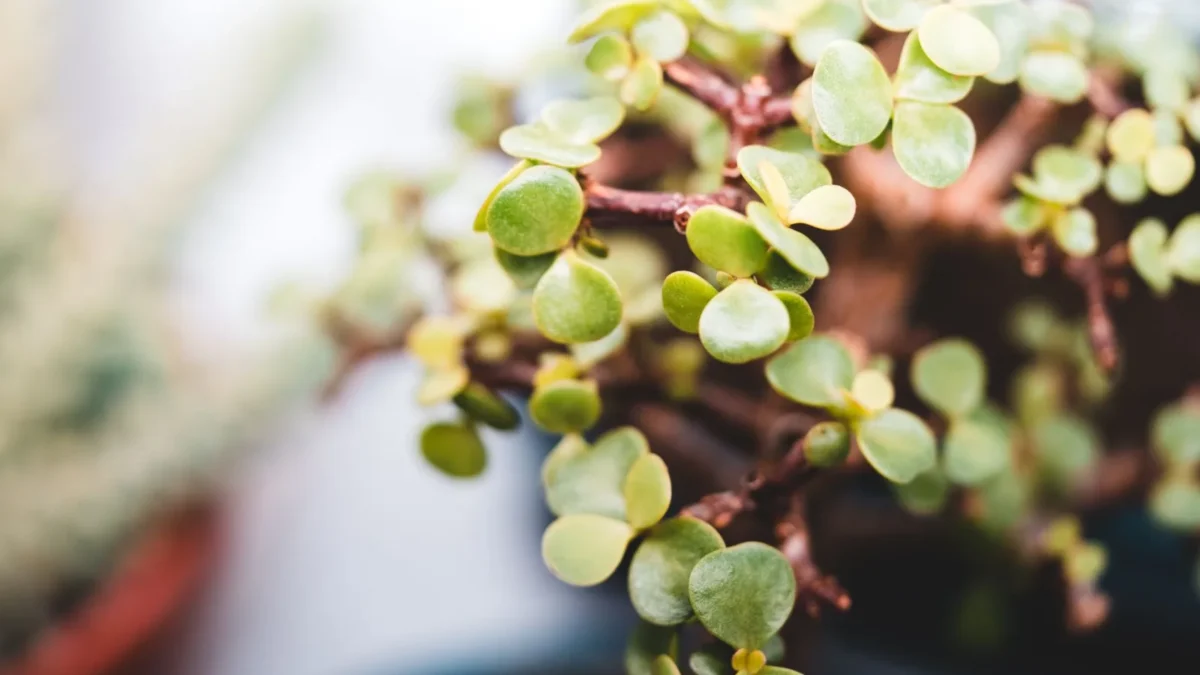
Quick answer: Elephant bush leaves fall off most often from overwatering, which causes roots to rot and leaves to turn soft before dropping. Other causes include underwatering, cold temperatures, insufficient light, and sudden changes in growing conditions.
| Botanical name | Portulacaria afra |
|---|---|
| Light | Bright indirect light; 5-6 hours direct sunlight per day |
| Watering | Water when top 2 inches of soil completely dry; every 2-3 weeks typically |
| Humidity | Minimal; average household humidity sufficient; 30-50% ideal |
| Temperature | 65-80°F (18-27°C); keep above 30°F (-1°C); protect from frost |
| Soil | Very well-drained cactus or succulent compost with perlite, sand, or gravel |
| Feeding | Diluted balanced liquid fertilizer monthly during growing season; use low nitrogen or cactus fertilizer |
| Size | Height 1.5-2.5 m; spread 1-1.5 m |
| Difficulty | easy |
| What you see | Likely cause | What to do |
|---|---|---|
| Soft, swollen, slightly translucent leaves that feel puffy | Overwatering | Stop watering immediately, let soil dry completely, move to brighter location to speed evaporation, repot in fresh soil if stems show brown/black rot |
| Thin, wrinkled, dull-looking leaves with less gloss | Underwatering | Water thoroughly so it drains from the bottom, then establish regular soak-and-dry watering |
| Leaves pale or yellow, plant looks leggy with sparse growth | Insufficient light | Move to a location with 5–6 hours of direct sunlight per day |
| Leaves drop after moving the plant, or after exposure to very cold air | Sudden stress or cold | Keep plant above 30°F (−1°C); avoid moving it between very different environments without gradual adjustment |
| Stunted growth, dull green leaves, no improvement after fixing water | Low nutrients | Feed with diluted balanced liquid fertilizer once per month during spring and summer |
Why overwatering causes leaves to fall off
Overwatering is the primary reason elephant bush sheds leaves. The plant stores water in its leaves, making it naturally drought-tolerant. When soil stays wet, roots cannot get enough oxygen and begin to rot, preventing the plant from absorbing nutrients. Before leaves drop, they become soft and slightly translucent or puffy. The stems feel less firm, the plant looks dull or yellowed, and the pot stays heavy for days after watering.
Elephant bush roots rot quickly—sometimes in as little as 2–3 days of waterlogged soil. The fix: repot your plant in fresh, well-draining soil and remove any rotten roots. If severely overwatered, stems may turn brown or black from the base. After repotting, let the soil dry out completely between waterings. Check by inserting your finger into the soil; water only when the top 2 inches are completely dry.
Underwatering and what it looks like
When your elephant bush doesn’t get enough water, leaves dry out and eventually fall off. Unlike the soft puffiness of overwatered leaves, dry leaves look thinner, wrinkled, and less glossy before they drop.
The solution is straightforward: give the plant a thorough watering. Pour lukewarm water until it drains from the bottom, then wait until the soil dries completely before watering again. The plant should perk up within a few days—leaves will appear plump rather than shriveled.
Normally, water your elephant bush every 2–3 weeks, depending on humidity. In summer months, you may need to water weekly; in winter, reduce to once every 3–4 weeks.
Light, temperature, and sudden stress
Elephant bush needs 5–6 hours of direct sunlight per day. Too little light causes leggy growth and pale, yellowing leaves because the plant cannot photosynthesize properly. Move it to a brighter spot to prevent further leaf drop.
Temperature matters too. Keep your elephant bush between 65–80°F (18–27°C), and always protect it from frost by keeping it above 30°F (−1°C). Cold stress triggers leaf drop. Similarly, sudden changes in light, temperature, or humidity—like moving the plant without letting it adjust gradually—cause severe leaf drop.
How to prevent leaves falling off
The best defence is using the soak-and-dry watering method: allow soil to dry completely between waterings, then water thoroughly until it drains from the bottom. Always use very well-drained cactus or succulent compost, preferably with added perlite, sand, or gravel to enhance drainage. Make sure your pot has drainage holes and no water sits in a saucer beneath it.
Place your elephant bush in bright, indirect light with access to 5–6 hours of direct sun daily. Avoid moving it between drastically different environments, and keep temperatures stable above 30°F (−1°C). Feed during the growing season (spring and summer) with a diluted balanced or cactus fertilizer once a month, then stop in winter when growth naturally slows.
Read the full guide: Elephant Bush Care: The Complete Guide
More about Elephant Bush
The same problem in other plants
- Why Are My Echeveria Leaves Falling Off?
- Why Are My String of Turtles Leaves Falling Off?
- Why Are My Begonia Maculata Leaves Falling Off?
- Why Is My Ti Plant Losing Leaves?
Sources
- Is Your Elephant Bush Losing Leaves? Here`s Why – UnusualSeeds
- Portulacaria afra (Elephant Bush): All You Need To Know
- Elephant Bush Dropping Leaves: What's Wrong and How to Fix It
Photo: Erik Mclean / Pexels, Pexels