Christmas Cactus Schlumbergera
Why Is My Christmas Cactus Dropping Leaves? Find the Cause and Fix It
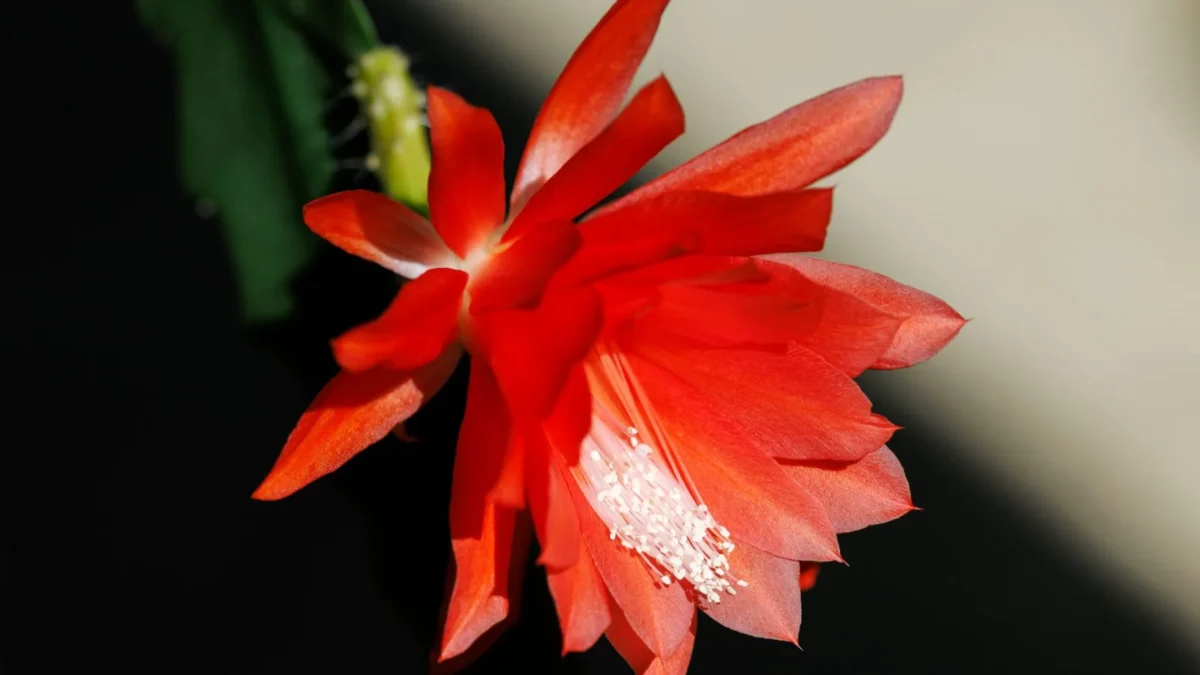
Quick answer: If you’re wondering why is my Christmas cactus dropping leaves, the main cause is usually overwatering and root rot, followed by underwatering, temperature stress, poor light, pests, or over-fertilizing. Identify what’s stressing your plant and adjust its care to stop the leaf drop.
| Botanical name | Schlumbergera |
|---|---|
| Light | Bright indirect or filtered light; full sun in midwinter acceptable; avoid intense direct summer sun |
| Watering | Water when top soil feels dry; keep moist spring-summer, drier fall-winter; reduce watering late winter-spring |
| Humidity | High humidity preferred; mist regularly; place on tray of moistened rocks or gravel-filled saucers |
| Temperature | 70-80°F (21-27°C) spring-summer; 55-65°F (13-18°C) winter; reduce 5°C in autumn to encourage flowering |
| Soil | Well-draining mix: 1 part potting soil, 2 parts peat moss, 1 part perlite or sharp sand |
| Feeding | Monthly during growing season April-September; reduce late winter-spring; use houseplant liquid feed |
| Size | 1-2 feet tall, 1-2 feet spread |
| Difficulty | easy |
| Cats | ✓ non-toxic |
| Dogs | ✓ non-toxic |
Christmas cactus usually bounces back quickly once you find and fix the cause of the leaf drop.
Causes of Christmas cactus leaves falling off
| What you see | Likely cause | What to do |
|---|---|---|
| Yellow leaves + leaf drop | Overwatering, soggy soil | Let soil dry out between waterings; repot in fresh, well-draining soil if roots smell musty |
| Limp, wilting leaves + drop | Underwatering, bone-dry soil | Water when top soil feels dry; keep soil evenly moist spring to summer |
| Brown spots + leaf drop | Poor drainage, compacted soil | Repot in 1 part potting soil, 2 parts peat moss, 1 part perlite or sharp sand |
| Drop after moving indoors, or few older leaves | Normal stress or growth cycle | This is natural; new growth should appear with proper care |
| Leaf drop in cool or drafty areas | Temperature stress or cold exposure | Keep between 70–80°F spring-summer; 55–65°F winter; avoid drafts |
| Leaf drop with pale or scorched leaves | Too much direct sun | Move to bright indirect or filtered light; full sun is fine only in midwinter |
Overwatering and root rot
Overwatering is the most common reason Christmas cactus leaves fall off. When roots sit in soggy soil, they can’t absorb oxygen and start to decay, so the plant drops leaves to survive. Although Christmas cactus needs more moisture than desert cacti, too much water still causes rot, and yellowing leaves alongside leaf drop is a clear sign of it.
To fix it: water only when the top of the soil feels dry, then let the pot drain completely. Keep the compost moist but never waterlogged from April to September, and let the soil go drier between waterings from fall to spring.
If roots have rotted, repot in a mix of 1 part potting soil, 2 parts peat moss, 1 part perlite or sharp sand.
Underwatering and drying out
Underwatering is less common but still causes leaf drop. Christmas cactus prefers slightly moist soil and doesn’t like staying bone dry for long; when severely dehydrated, it sheds leaves to conserve water and energy. Check soil every 2–3 weeks and water as soon as the top feels dry, keeping it evenly moist in spring and summer.
Poor drainage and compacted soil
Even with correct watering, dense, compacted soil causes problems. Christmas cactus needs porous, well-drained soil — compacted soil can lead to edema, which shows up as leaf drop plus brown, dry spots. If your soil is compacted or drains poorly, repot into a fresh, well-draining mix.
Temperature stress
Christmas cactus doesn’t tolerate cold or extreme heat. It prefers 70–80°F (21–27°C) in spring and summer, and about 10°F cooler in fall and winter. Sudden temperature drops or spikes cause leaves to fall — keep your plant away from cold drafts, heating vents, and windows on freezing nights.
Light problems
Bright indirect light keeps Christmas cactus healthy, but too much direct sun scorches leaves and can cause leaf drop; in summer it can also make the plant look pale and yellow. An east-facing windowsill is usually ideal — give it high light in winter but indirect or filtered light in summer.
Pests
Spider mites and other pests can trigger leaf drop as a stress response. Check leaf undersides for insects or webbing, and treat with insecticidal soap if needed.
Over-fertilizing
Too much fertilizer turns leaves brown, then makes them fall off. Fertilize monthly during the growing season (April–September) only.
Normal leaf drop
Some leaf drop is natural — Christmas cactus sheds older leaves as it grows, especially after blooming, and minor stress from moving indoors usually resolves on its own.
How to prevent Christmas cactus from dropping leaves
- Water correctly: let the top of the soil dry before watering; stay moist in spring/summer, drier in fall/winter.
- Use the right soil: 1 part potting soil, 2 parts peat moss, 1 part perlite or sharp sand.
- Maintain humidity: a pebble tray or regular misting mimics its native rainforest habitat.
- Keep temperatures stable: 70–80°F in spring/summer, 55–65°F in winter.
- Give it the right light: bright indirect or filtered light, full sun only in midwinter.
- Fertilize monthly during the growing season only, then ease off.
- Repot every one to two years in late March so it doesn’t become rootbound.
Read the full guide: Christmas Cactus Care: The Complete Guide
More about Christmas Cactus
The same problem in other plants
- Why Is My Polka Dot Plant Dropping Leaves?
- Why Is My String of Hearts Losing Leaves?
- Why Is My Croton Dropping Leaves? Complete Troubleshooting Guide
- Why Is My String of Pearls Dropping Leaves?
Sources
- My Christmas Cactus Is Dropping Leaves – Reasons For Christmas Cactus Leaves Dropping OffMy Christmas Cactus Is Dropping Leaves – Reasons For Christmas Cactus Leaves Dropping Off
- How to grow Christmas cactus / RHS Growing Guide
- 10 Christmas Cactus Problems Solved: Diagnose Common Issues For Healthy Flowering Plants
Photo: Veronika Andrews / Pexels, Pexels