Polka Dot Plant Hypoestes phyllostachya
Why Is My Polka Dot Plant Dropping Leaves? Common Causes and Solutions
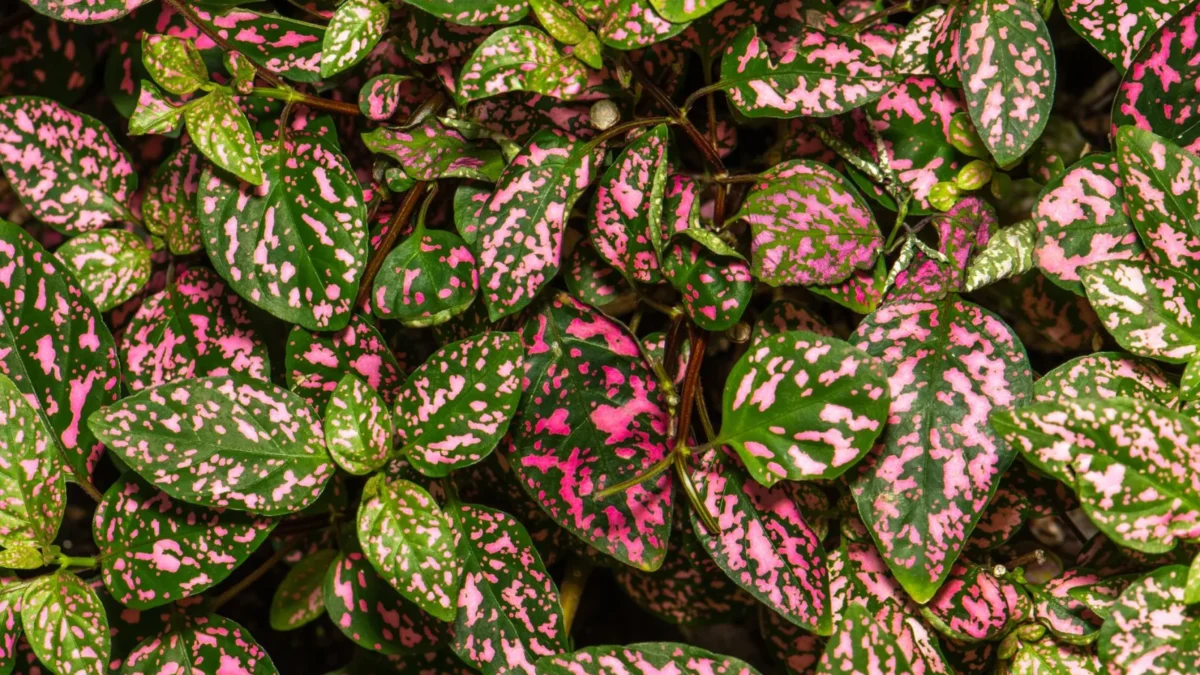
Quick answer: Your polka dot plant is dropping leaves most likely due to overwatering, cold temperatures, or low humidity. These plants need moist (not soggy) soil, warmth between 65-80°F, and humidity of 60-70% to thrive. Move it away from cold drafts and adjust your watering routine to stop the leaf loss.
| Botanical name | Hypoestes phyllostachya |
|---|---|
| Light | Bright, indirect light; avoid hot direct sunlight |
| Watering | Water when top inch of soil is dry; keep moist but not soggy |
| Humidity | 60-70%; maintain at least 50% |
| Temperature | 65-80°F (18-27°C); avoid below 54°F (12°C) |
| Soil | Peat-free, well-draining, slightly acidic to neutral (pH 6.0-7.0); mix potting soil with perlite or coco coir |
| Feeding | Balanced liquid fertilizer every 2-3 weeks during growing season (April-September) |
| Size | 12-20 inches tall; can be kept low and bushy by pinching |
| Difficulty | easy |
| What you see | Likely cause | What to do |
|---|---|---|
| Yellow leaves, soggy soil | Overwatering | Let soil dry between waterings; repot if roots are mushy |
| Leaves falling, cold location | Temperature stress | Move away from drafts and windows; maintain 65-80°F |
| Drooping, brown-edged leaves | Low humidity | Increase humidity to 60-70%; mist or use a humidifier |
| Burned, curled leaves | Direct sunlight | Move to bright, indirect light; away from hot sun |
| Soft, weakened leaves | Pest damage | Inspect for mealybugs, whiteflies, or aphids; treat if found |
Stop Overwatering
Too much water is the most common reason polka dot plants lose leaves. When soil stays soggy, roots become soft and mushy, preventing the plant from absorbing nutrients and oxygen, so it sheds leaves to conserve energy.
Water only when the top inch of soil feels dry to the touch, then soak the pot completely until water drains from the bottom. Empty any water sitting in the saucer afterward. If you’ve been overwatering, repot the plant into fresh, well-draining soil—a mix of regular potting soil with perlite or coco coir works well.
Avoid Cold Temperatures and Drafts
Leaf drop often happens due to changes in temperature or environmental stress. Your polka dot plant prefers steady warmth between 65-80°F (18-27°C); temperatures below 54°F (12°C) will cause serious problems and leaf drop.
Move your plant away from open windows, air conditioning vents, and cold drafts. Keep it in a consistently warm spot indoors, away from temperature fluctuations. If your home is cool, relocate the plant to a warmer area or use a heating mat during winter.
Increase Humidity
Your polka dot plant thrives in humidity of 60-70%. Low humidity causes brown leaf tips and edges, plus drooping and leaf loss. Maintain humidity of at least 50%.
Increase humidity by misting the leaves regularly, placing the pot on a tray filled with pebbles and a little water (don’t let the pot sit directly in water), or running a humidifier nearby. These plants are ideal for bathrooms or kitchens where natural moisture is higher.
Give It Bright, Indirect Light
Direct sunlight burns and softens the leaves, causing them to fall. Place your polka dot plant in bright, indirect light instead. Avoid positioning it in a hot, sunny window; morning sun is tolerable, but intense afternoon rays will damage the plant.
Check for Pests
While less common indoors, mealybugs, whiteflies, and aphids can cause leaf drop. They feed on leaves by sucking out liquid, weakening and drying them. Inspect both sides of the leaves and stems regularly. If you spot pests, treat with insecticidal soap or neem oil according to product instructions.
Preventing Leaf Drop
To keep your polka dot plant healthy and prevent future leaf loss, maintain consistent care: water when the top inch is dry, keep humidity above 60%, provide bright indirect light, and ensure the temperature stays between 65-80°F away from drafts. These simple steps will help your plant thrive.
Read the full guide: Polka Dot Plant Care: The Complete Guide
More about Polka Dot Plant
The same problem in other plants
- Why Is My Umbrella Plant Dropping Leaves?
- Why Are My Kalanchoe Leaves Falling Off?
- Why Is My Nerve Plant Dropping Leaves?
- Why Is My String of Hearts Losing Leaves?
Sources
- How to Care for Hypoestes phyllostachya (Polka Dot Plant) Indoors
- How to Grow and Care for Polka Dot Plant
- Caring for Polka Dot Plants – Adams Fairacre Farms
Photo: Skyler Ewing / Pexels, Pexels