Chinese Evergreen Aglaonema
Why Is My Chinese Evergreen Drooping
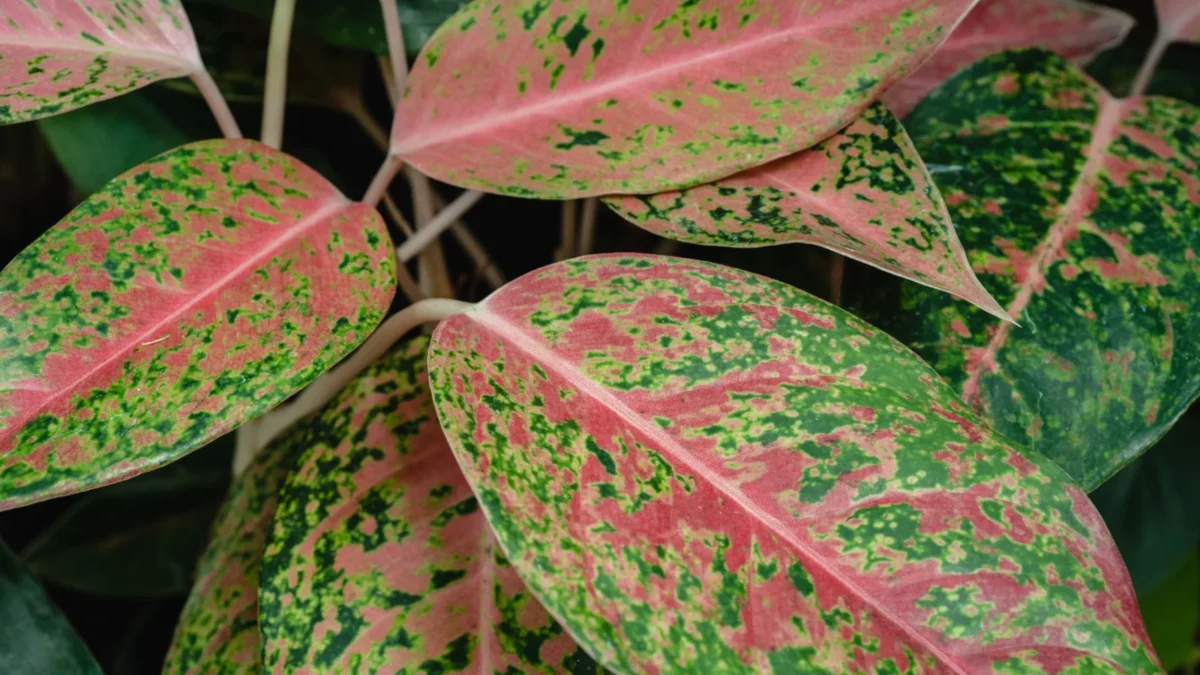
Quick answer: Drooping Chinese evergreen usually stems from overwatering combined with low light, which prevents roots from absorbing water and nutrients. Fix it by letting soil dry out, moving the plant to bright, indirect light, and ensuring good drainage. Recovery begins within 48 hours.
| Botanical name | Aglaonema |
|---|---|
| Light | Bright, filtered indirect light; avoid direct sun which scorches foliage |
| Watering | When top 1-2 inches of soil feel dry; every 7-14 days spring/summer, every 2-4 weeks fall/winter |
| Humidity | High humidity; 50-60% preferred; place on tray of moist gravel |
| Temperature | 65-80°F; minimum 60°F in winter; avoid cold drafts |
| Soil | Well-draining, peat-free houseplant compost or peaty potting mixture |
| Feeding | Balanced liquid fertilizer monthly during growing season (spring to autumn) |
| Size | 0.5-1 m tall; 20 inches typical height |
| Difficulty | easy |
| Cats | ⚠️ toxic — Insoluble calcium oxalates; oral irritation, drooling, swelling, vomiting |
| Dogs | ⚠️ toxic — Insoluble calcium oxalates; oral irritation, drooling, swelling, vomiting |
| What you see | Likely cause | What to do |
|---|---|---|
| Soil feels soggy; pot is heavy; foul smell from roots | Overwatering and poor drainage | Let soil dry between waterings; check roots for rot; repot into fresh soil if mushy |
| Soil is bone-dry; pot feels very light; dry brown tips | Underwatering | Water thoroughly immediately; use bottom-watering method for 20-30 minutes if soil is very hydrophobic |
| Plant droops suddenly after cold exposure; leaves yellow | Cold drafts or temperatures below 60°F | Move away from drafts and cold windows; maintain 65–80°F |
| Limp, downturned leaves despite moist soil | Low light stress combined with overwatering | Relocate to bright, filtered indirect light and adjust watering schedule |
Why overwatering causes drooping
Overwatering is the leading culprit. Soggy soil depletes oxygen around the roots, triggering root rot that turns them brown-black and unable to absorb water. The plant droops because it can’t take up moisture even though the soil is wet.
Do not prune drooping leaves immediately—they often rehydrate and recover once roots are fixed. Allow 5–12 days for full structural recovery after correcting the problem.
How to fix underwatering
If the soil is completely dry, your Chinese evergreen’s cells lose water pressure and leaves go limp. The fastest fix is thorough watering, or for severely desiccated soil, bottom-watering in lukewarm water for 20–30 minutes. Most plants recover within hours to a day once roots have access to moisture.
Preventing future drooping
Water only when the top 1–2 inches of soil feel dry—typically every 7–14 days in spring and summer, and every 2–4 weeks in fall and winter. Always use your finger to check before watering; never water on schedule alone.
Keep your plant in bright, filtered indirect light away from direct sun. Cold drafts below 60°F cause rapid tissue damage and sudden drooping; maintain stable temperatures between 65–80°F.
Increase humidity to 50–60% by placing the pot on a tray of moist gravel or pebbles. This supports root function and leaf turgor. Misting alone won’t fix the problem.
FAQ
How long does recovery take?
Within 48 hours of correcting soil moisture and moving the plant to bright light, leaves begin to perk up. Full structural recovery takes 5–12 days depending on severity.
Can I save a plant with root rot?
If roots are dark, mushy, and smell foul, root rot is advanced. Carefully remove the plant from its pot, trim away blackened roots with sterile scissors, and repot into fresh, well-draining potting soil. Water lightly and avoid overwatering until new growth appears.
Is my Chinese evergreen toxic to pets?
Yes. The plant contains insoluble calcium oxalates that cause oral irritation, drooling, swelling, and vomiting in cats and dogs. Keep it out of reach of pets.
Read the full guide: Chinese Evergreen Care: The Complete Guide
More about Chinese Evergreen
The same problem in other plants
- Why Are My Echeveria Leaves Drooping?
- Why Is My Philodendron Birkin Drooping?
- Why Is My Arrowhead Plant Drooping? Causes and Quick Fixes
- Why Is My Prayer Plant Drooping? Causes and Recovery Steps
Sources
- Chinese Evergreen Drooping: Causes & Fast Fixes – LifeTips
- Toxic and Non-toxic Plants: Chinese Evergreen
- Chinese Evergreen Drooping: 6 Causes & How to Revive Your Plant – Authentic Plant Photos & Practical Care Guides
Photo: Marina Leonova / Pexels, Pexels