Kalanchoe Kalanchoe blossfeldiana
Why Are My Kalanchoe Leaves Falling Off: Causes and Solutions
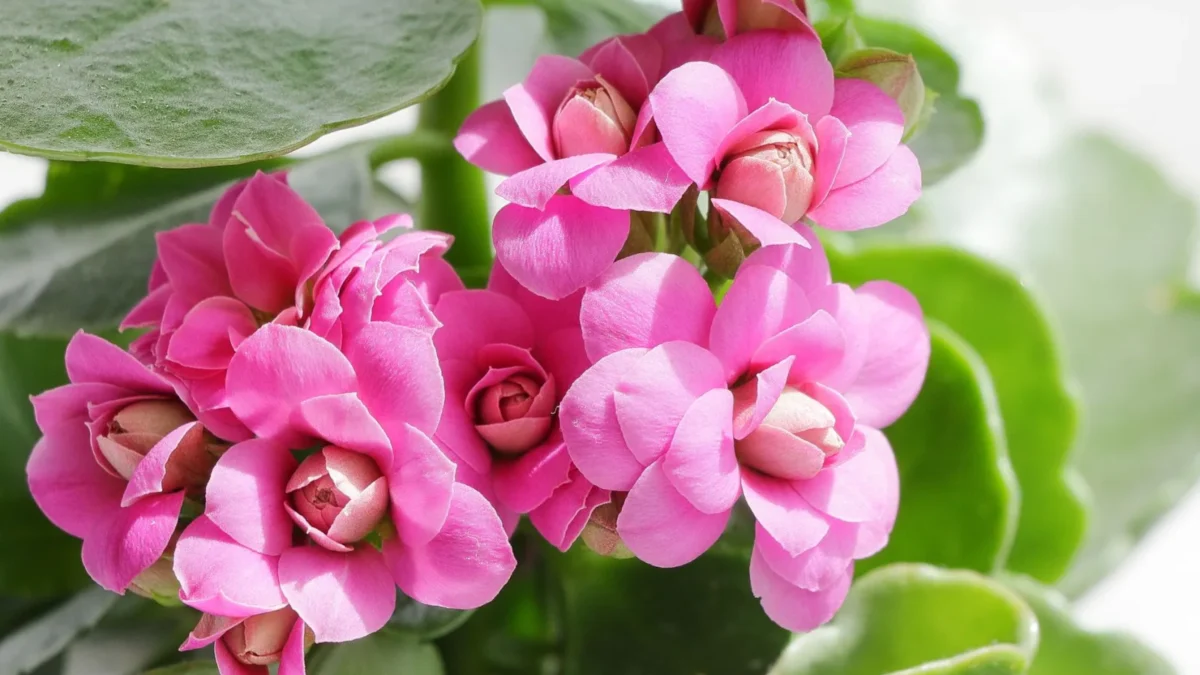
Quick answer: Why are my kalanchoe leaves falling off? It usually signals overwatering, temperature stress below 40°F, low light, or excessive humidity above 90%. The most common culprit is soggy soil, which suffocates roots and turns leaves yellow and mushy before they drop.
| Botanical name | Kalanchoe blossfeldiana |
|---|---|
| Light | Bright filtered light; avoid bright direct sunlight year-round |
| Watering | Water when soil is dry; every 10-14 days during growth, every 3-4 weeks in winter |
| Humidity | Low humidity; does not require misting; avoid humidity above 90% |
| Temperature | 55°F to 80°F; keep above 40°F; reduce by 5°C in winter |
| Soil | Fast-draining cactus mix or peat-free loam-based compost with added grit |
| Feeding | Balanced liquid fertilizer 2-3 times during growing season at half strength |
| Size | Bushy evergreen succulent to 40cm tall |
| Difficulty | easy |
| Cats | ⚠️ toxic — Bufodienolides cause vomiting, diarrhea, abnormal heart rhythm |
| Dogs | ⚠️ toxic — Bufodienolides cause vomiting, diarrhea, abnormal heart rhythm |
| What you see | Likely cause | What to do |
|---|---|---|
| Squishy, yellowed leaves that drop off | Overwatering | Let soil dry completely between waterings; switch to winter schedule (every 3–4 weeks) |
| Lower leaves falling, others turning yellow | Insufficient light | Move plant to bright filtered light; check it receives enough rays for leaves to stay green |
| Leaves changing bronze, then dropping at very cold temps | Temperature below 40°F | Move away from cold windows and drafts; keep between 55°F and 80°F |
| Persistent moisture, mushy stems, mouldy soil | Root rot from darkness + wetness | Repot into fast-draining cactus mix; place in bright location; reduce watering |
| Soft or blackened stem base | Severe overwatering and rot | Cut away affected parts; repot in fresh, dry soil; water only when soil is completely dry |
| Leaf drop in very humid conditions | Humidity above 90% | Improve air circulation; reduce misting; kalanchoe thrives in arid conditions |
Why kalanchoe leaves are falling off
Overwatering kills more kalanchoe plants than any disease or pest—soggy soil suffocates roots, invites fungal rot, and turns leaves yellow and mushy. The fix is simple: water only when the soil is completely dry. During growth, that means every 10–14 days. In winter, when the plant’s metabolism slows, reduce watering to once every 3–4 weeks.
When you water, soak the soil thoroughly, then let the top 2 inches dry completely before watering again. Use a fast-draining cactus mix or peat-free loam-based compost with added grit—regular potting soil holds too much moisture and leads to root rot.
Cold stress and light problems
Kalanchoe is a warm-weather plant that thrives between 55°F and 80°F. Temperatures below 40°F damage the plant and can cause leaf drop. If leaves change colour from green to bronze in winter, move the plant away from cold windows and drafts immediately.
Low light also causes leaf drop. If the lower leaves are falling off while others turn yellow, your kalanchoe needs more light. Grow it in bright filtered light indoors—this gives the plant the energy to hold onto leaves and eventually flower.
Humidity and air flow
Kalanchoe is a succulent used to arid conditions; humidity in most homes will suit it fine and no misting is needed. However, prolonged humidity above 90% can lead to leaf spot, leaf drop, or damage to flowers. If your home is very damp, improve air circulation around the plant and reduce any misting.
FAQ
How often should I water to stop leaves falling off?
Water every 10–14 days during spring and summer when the soil is dry, then every 3–4 weeks in winter. Always let the soil dry all the way down between waterings—this is more important than a fixed schedule.
Is leaf drop normal for kalanchoe?
No, leaf drop signals a problem. Healthy kalanchoe hold their leaves year-round. Look for yellow or mushy leaves, a wet soil that doesn’t dry, or a blackened stem base—these are clear signs of overwatering and root rot.
Can I save a kalanchoe with severe leaf drop?
Yes, if the stem is still firm. Stop watering immediately, repot into fresh fast-draining cactus mix, place it in bright filtered light, and wait for new growth. Cut away any blackened or mushy parts before repotting.
Read the full guide: Kalanchoe Care: The Complete Guide
More about Kalanchoe
The same problem in other plants
- Why Are My Bunny Ears Cactus Leaves Falling Off?
- Why Is My Weeping Fig Dropping Leaves?
- Why Is My Umbrella Plant Dropping Leaves?
- Why Is My Nerve Plant Dropping Leaves?
Sources
- Kalanchoe blossfeldiana
- Master Easy Kalanchoe Plant Care for a Blaze of Colorful Blooms Year After Year
- Kalanchoe Care Guide: Watering, Light & Growing Tips
Photo: Mustafa Akın / Pexels, Pexels