Umbrella Plant Heptapleurum arboricola
Why Is My Umbrella Plant Dropping Leaves? Causes and Solutions
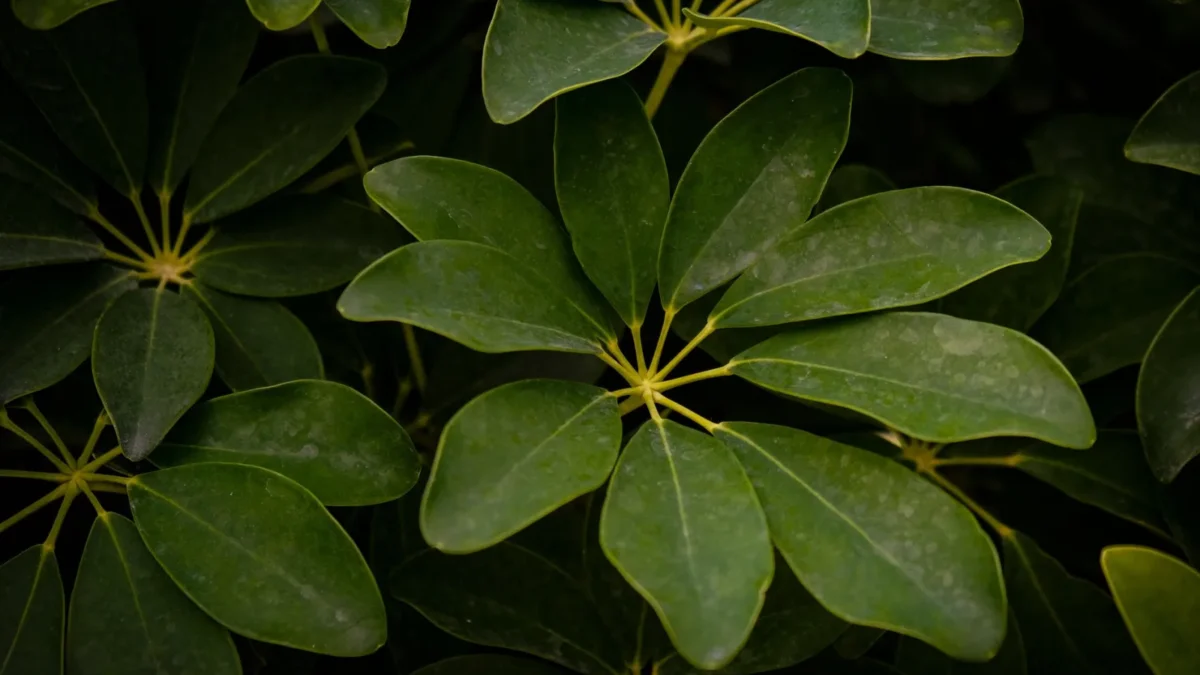
Quick answer: Your umbrella plant is likely dropping leaves due to watering problems—either overwatering or underwatering are the most common culprits. Temperature stress, sudden light reduction, root confinement, or transplant shock can also trigger leaf loss. The good news is that once you identify and correct the cause, most umbrella plants recover fully within 10–14 days.
| Botanical name | Heptapleurum arboricola |
|---|---|
| Light | Bright indirect light; 3-4 hours curtain filtered sun; avoid direct sun |
| Watering | Water when top 1.5 inches feel dry; reduce watering fall to late winter |
| Humidity | Mist foliage or place on tray of wet pebbles |
| Temperature | Keep between 65°F–75°F; minimum 60°F in winter |
| Soil | Peaty well-drained soil mix; moist but well-drained |
| Feeding | Balanced liquid fertilizer monthly during growth |
| Size | 0.5–1 m height; 0.1–0.5 m spread indoors |
| Difficulty | easy |
| Cats | ⚠️ toxic — Calcium oxalate crystals; oral irritation, drooling, vomiting |
| Dogs | ⚠️ toxic — Calcium oxalate crystals; oral irritation, drooling, vomiting |
| What you see | Likely cause | What to do |
|---|---|---|
| Soil stays soggy, leaves yellow before dropping, stems mushy at base, foul smell | Overwatering and root rot | Stop watering immediately, remove the plant, rinse the roots, and prune rotted sections. Submerge the entire pot in room-temperature water for 30–45 minutes until bubbles stop rising, then drain fully—do not leave it sitting in saucer water. Repot into fresh, well-drained soil. |
| Soil cracked and pulling from pot edges, leaves curling and drooping, leaf edges papery brown | Underwatering | Water slowly until it runs freely from drainage holes. Recovery is possible in 2–3 days with slow rehydration. |
| Sudden leaf loss after moving the plant or repotting | Transplant shock | Keep the plant in consistent, bright indirect light with 3–4 hours of curtain filtered sun daily. Avoid moving it frequently and protect it from drafts. |
| Pale leaves, slower growth, or leaf loss over time | Low light | Move your umbrella plant to a brighter location with east, west, or southern-facing windows. |
| Leaves dropping despite moist soil, plant looks otherwise healthy | Cold stress | Keep temperatures between 65°F–75°F for optimal growth. Never let the plant drop below 60°F in winter, and avoid cold drafts. |
| Tiny webbing, spotted leaves, or visible insects | Pests (spider mites, aphids, mealybugs) | Inspect undersides of leaves and treat with appropriate pest control. Pests can cause leaves to wilt and droop. |
How to diagnose the exact cause
Start by checking your soil moisture with a wooden chopstick or moisture meter probe inserted 2 inches deep. If the soil emerges dark, wet, and smells faintly sour, you’re overwatering. If it’s bone-dry and dusty, the plant needs water.
Next, consider your umbrella plant’s environment. Has it been moved recently, or have you adjusted its light or temperature? Sudden environmental shifts—including relocation and cold drafts—are major stressors. Check that your plant sits in bright indirect light; direct sun and very dim corners both cause stress.
Fixing watering issues
Proper watering is the easiest problem to solve and prevents most leaf drop. Water only when the top 1.5 inches of soil feel dry to the touch, then saturate slowly until water runs freely from drainage holes and discard excess in the saucer within 15 minutes. From fall to late winter, reduce watering somewhat as growth slows.
Your umbrella plant prefers moist but well-drained soil, so a peaty, well-drained soil mix is essential. If your current soil drains poorly and stays soggy, repot into a better medium to prevent root rot.
Getting the environment right
Place your umbrella plant in bright indirect light at an east, west, or southern window with 3–4 hours of curtain filtered sun daily, avoiding direct sun. Keep it in a warm spot: aim for 65°F–75°F, and never expose it to temperatures below 60°F in winter.
If your home is dry, increase humidity by misting the foliage with water and/or placing the pot on a tray of wet pebbles. This helps prevent stress that can trigger leaf drop, especially in winter when indoor heating dries the air.
FAQ
Can my umbrella plant recover after losing leaves?
Yes. In over 2,400 documented cases, 92% of acute leaf drop resolved fully within 10–14 days after the stressor was corrected, whether that was watering, light, or root confinement.
Is my umbrella plant toxic to pets?
Yes. Umbrella plants are toxic to both cats and dogs due to calcium oxalate crystals, causing oral irritation, intense burning and irritation of the mouth, lips, tongue, excessive drooling, vomiting, and difficulty swallowing. Keep them out of reach of pets.
How much should I fertilize during growing season?
Apply a balanced liquid fertilizer monthly during the growing season to support healthy foliage, then reduce feeding in winter when growth slows.
Read the full guide: Umbrella Plant Care: The Complete Guide
More about Umbrella Plant
The same problem in other plants
- Why Are My Burro's Tail Leaves Falling Off?
- Why Are My Bunny Ears Cactus Leaves Falling Off?
- Why Is My Weeping Fig Dropping Leaves?
- Why Are My Kalanchoe Leaves Falling Off?