Amaryllis Hippeastrum
Amaryllis Care: The Complete Guide
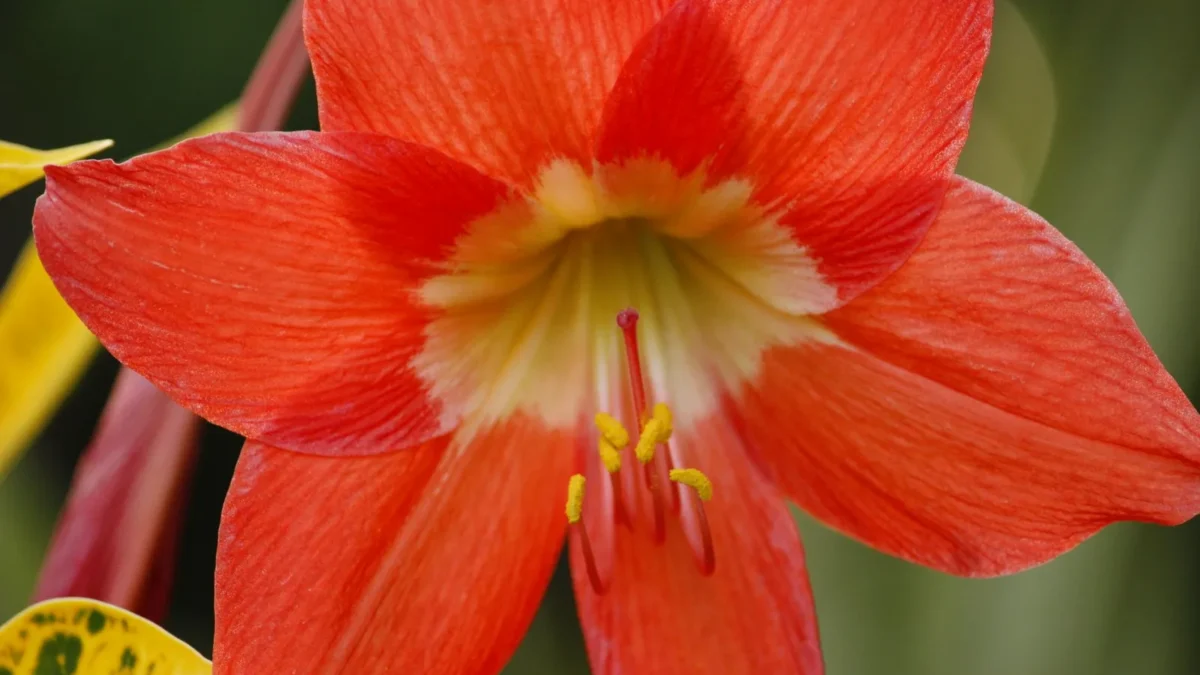
Amaryllis care centers on one principle: treat the bulb with restraint, then reward it with light and nutrients. These showy Central and South American natives need careful watering during active growth, bright light after flowering to rebuild their reserves, and a cool dormant period in fall to set up next year’s blooms. Get this rhythm right, and your amaryllis will return reliably for years.
| Botanical name | Hippeastrum |
|---|---|
| Light | Bright indirect light; some morning sun but not direct afternoon sun; bright light after flowering until mid-fall |
| Watering | Water when top inch of soil is dry during growing period; water sparingly until new leaves develop; avoid excess water i |
| Humidity | 40–60% preferred; average indoor humidity usually sufficient |
| Temperature | 70–75°F (21–24°C) during growing period; 55°F (13°C) September–November; around 50°F for fall dormancy; 15–18°C (60–65°F |
| Soil | Humusy, well-draining potting mix with perlite or coarse sand; peat-free John Innes No.2 or multipurpose |
| Feeding | Dilute balanced liquid fertilizer every 2 weeks during growth; high-potassium fertilization every 2–3 weeks after flower |
| Size | 1–2 feet tall, 0.75–1 foot spread; flowers 4–10 inches |
| Difficulty | moderate |
| Cats | ⚠️ toxic — Lycorine and alkaloids; vomiting, diarrhea, tremors, loss of appetite |
| Dogs | ⚠️ toxic — Lycorine and alkaloids; vomiting, diarrhea, tremors, loss of appetite |
Key points
- Water only when the top inch of soil is dry; overwatering is the biggest killer
- Provide bright indirect light with some morning sun, never direct afternoon rays
- Keep bright light from flowering through mid-fall to ensure next year’s flowers
- Cool temperatures (55°F) for 8–10 weeks in fall trigger dormancy and reblooming
- Fertilize with high-potassium feed every 2–3 weeks after flowering through summer
- Keep the bulb half-exposed above soil; repot only every 3–5 years
Light and Sun Requirements
Amaryllis needs bright light during its active growing phase and after flowering. The plant enjoys bright locations with some morning sun but should avoid direct afternoon sun, which can scorch the leaves. A bright east- or south-facing window usually works very well, giving several hours of indirect or gentle direct sun each day.
After the flowers fade, light becomes even more critical. Continue giving bright light from the time flowers fade until mid-fall to contribute to subsequent flowering. The leaves need this strong light to rebuild energy inside the bulb for next season’s display.
One common misconception: amaryllis will flower from a pre-loaded bulb even in lower light conditions, since the flower buds are already formed inside the bulb and don’t need light to initiate. However, the foliage that follows will suffer without adequate brightness, leaving you with weak growth and no blooms the following year.
Watering Your Amaryllis
Overwatering kills more amaryllis than any other single factor. The bulb simply doesn’t tolerate sitting in soggy soil—it prefers to dry out between waterings, which is the opposite of what many people instinctively do.
When and how much to water
When you first pot the bulb or bring it out of rest, moisten the top layer lightly and wait to water again until the flower stalk begins to grow. Once the stem is growing and leaves begin to form, keep the soil lightly moist by watering thoroughly when the top inch (2–3 cm) feels dry. During the growing and flowering period, water when the top inch of the soil becomes dry.
After the flowers fade, water sparingly until the new leaves develop and then start watering regularly. This delayed approach prevents rot while the plant’s energy is focused on producing flowers rather than roots.
The golden rule: do not let the compost dry out completely, but avoid excess water collecting in the saucer. If water is pooling in the pot, tilt it immediately to drain any excess. Check that the drainage hole is not blocked.
Soil, Potting, and Repotting
Amaryllis needs soil that drains fast but holds enough moisture during the growing season. Plant the bulb neck up with half of the bulb above the soil surface in a humusy, well-draining potting soil mix. A quality houseplant or bulb mix with added perlite or coarse sand works well because it keeps the root zone moist but airy rather than dense and waterlogged.
In the UK, peat-free John Innes No.2 or peat-free multipurpose compost is suitable. The key is good drainage—heavy garden soil or old multipurpose compost that has broken down will cause root rot.
Container size and repotting timing
Amaryllis plants bloom best when they grow in a container with little extra space (potbound). Grow in pots at least 6–8″ wide. A pot only slightly larger than the bulb encourages flowering; too much soil around a small bulb leads to waterlogging.
Repot every 3 to 5 years in autumn. When you do repot, use fresh mix and ensure at least two-thirds of the bulb remains above the surface. This exposure helps prevent rot and allows you to spot problems easily.
Feeding and Fertilizing
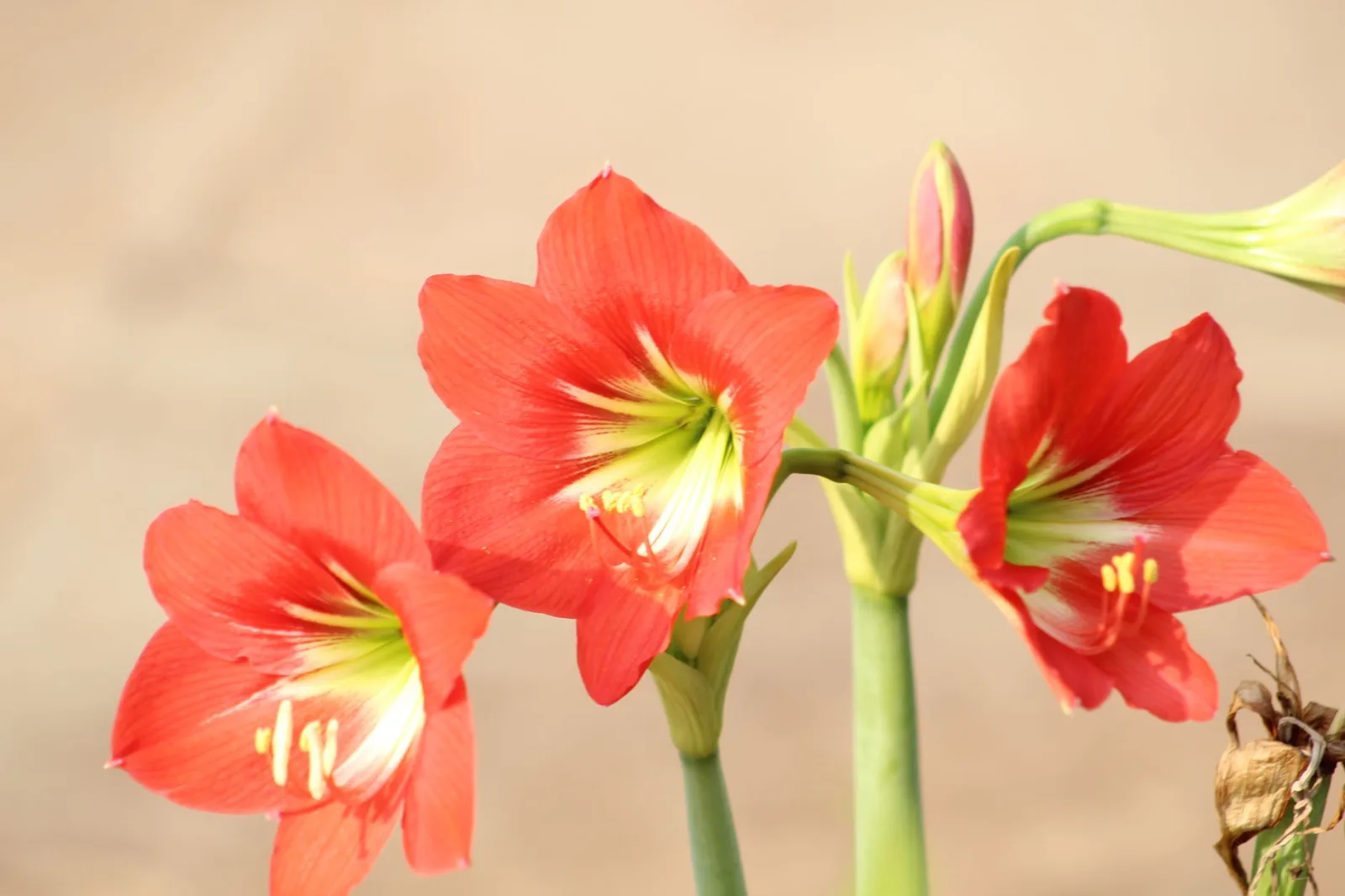
Fertilizing strategy shifts with the plant’s cycle. During initial growth, water freely and apply a dilute, balanced liquid fertiliser every 2 weeks.
After flowering, switch to high-potassium fertilization. To get your amaryllis to rebloom, follow the annual cycle: after flowering, allow the foliage leaves to grow through spring and summer in full sun with regular high-potassium fertilization every 2–3 weeks. High-potassium feed (often labeled as tomato fertilizer) pushes energy back into the bulb rather than encouraging soft leaf growth.
Feed amaryllis monthly while the plant is growing; stop fertilizing and watering when the leaves turn yellow. Once dormancy begins in late September, all feeding stops for 8–10 weeks.
Temperature and Humidity
Amaryllis responds strongly to temperature. During the growing and flowering period, the plant prefers temperatures of 70–75°F (21–24°C). From September to November, move it to 55°F (13°C) to trigger dormancy. A temperature around 50°F is best for fall dormancy.
When in flower, move the plant to a cooler place, about 15–18°C (60–65°F), to extend the flowering period. Warm conditions shorten bloom life; cool air keeps flowers open longer.
Humidity is straightforward: preferred humidity range is 40–60%, but average indoor humidity is usually enough for amaryllis. The plant doesn’t need especially high humidity to grow well as long as watering and drainage are handled properly. Very dry air may brown the leaf tips slightly, but that is usually less serious than problems caused by overly wet soil.
Encouraging Flowers and Blooming Cycles
The secret to keeping amaryllis thriving for years is to keep the plants actively growing after they have finished blooming. Amaryllis bulbs follow an annual rhythm: bloom, build, rest, repeat. Breaking this cycle leaves you with a bulb that won’t flower again.
The annual reblooming cycle
To get your amaryllis to rebloom, follow this sequence: after flowering, cut down spent flower spikes to the base, but keep the leaves by careful watering and apply a balanced liquid fertiliser weekly. The leaves, not the flowers, are what matters now. They capture sunlight and pack energy back into the bulb.
In late September, move the plant to a well-lit position and keep it cooler at about 13°C (55°F) for eight to ten weeks. Stop feeding and reduce watering so that the plant becomes semi-dormant. Alternatively, from September, place the plant pot in a cool spot (approximately 55°F – 13°C), reduce watering and stop fertilizing for 8 to 10 weeks.
After this 8–10 week period, begin watering once the soil becomes dry to the touch and fertilize once every two weeks. Flowers will usually develop about 4–6 weeks after this dormant period. You can expect blooms in about 4 weeks if you place the pot in a 70°F/21°C room in direct to bright light and water sparingly at first.
Early season forcing
If you receive a dormant bulb in late autumn or winter, you can force it to flower on demand. Place it in bright indirect light and warm indoor temperatures; it will typically bloom in about 4 weeks.
Common Problems: Yellowing, Browning, and Drooping Leaves
Yellowing leaves
Yellowing leaves carry different meanings depending on timing. During active growth, the most common cause is overwatering. Amaryllis bulbs don’t like to sit in soggy soil; they prefer to dry out a bit between waterings. If the leaves are yellow and the soil feels wet, dial back the watering schedule immediately.
Yellow leaves during the growing season can also signal bulb rot. As roots die from rot, they can’t absorb nutrients, causing leaves to turn yellow (a condition called chlorosis) and wilt. Look for a mushy bulb or foul odor from the soil as confirmation.
Insufficient light is another cause. If you suspect poor light, try moving your amaryllis to a sunnier spot.
However, it’s entirely normal for the leaves to turn yellow as the plant starts to go into dormancy, usually in the fall. Yellowing leaves are often the plant doing exactly what it should. After flowering, and again heading into autumn, the strap leaves yellow and wither as the bulb pulls resources back down for its rest period—that is normal dormancy, not decline.
If you’re trimming yellow leaves, cut off any soft brown roots and remove fully yellow leaves at the base—they won’t green back up. Leave half-yellow leaves alone; the plant is still pulling nutrients out of them.
Brown leaf tips
Crispy tips on amaryllis usually mean low humidity or tap-water minerals. At very low humidity (below 20%), prolonged during the active growing phase, the leaf tips and margins may develop minor browning and the flowers may fade or desiccate slightly faster than in more humid conditions.
Regular use of synthetic fertilizers and mineral-rich tap water causes salt accumulation, manifesting as white surface deposits and brown leaf margin burn. Avoid hard, mineral-rich water, which contributes to salt accumulation in the mix. Brown tips while the rest of the leaf stays green can result from low humidity or sudden temperature drops; adjust the surrounding conditions gently.
Brown tips are also often caused by excessive fertilizer. Check your fertilizing schedule and reduce frequency if needed.
Brown spots
Brown spots with yellow halos appearing on amaryllis, especially after water sat on the leaves overnight, are most often fungal or bacterial leaf spot. Remove affected leaves, water only at the soil line, improve airflow, and apply a copper fungicide if it spreads.
Reddish-brown spots have a prime suspect: red blotch, also called leaf scorch, caused by the fungus Stagonospora curtisii.
Drooping leaves
Drooping leaves signal one of several problems. The most likely cause is overwatering or poor drainage. In most homes, overwatering is more often a drainage problem than a frequency problem. Droopy leaves often signal overwatering, leading to root rot. Look for yellowing leaves, a mushy bulb, or a foul odor from the soil—these are clear signs that your plant is struggling.
Alternatively, drooping leaves often signal that your plant is thirsty. Check the soil; if it’s dry a couple of inches down, it’s time for a drink.
Insufficient light causes a specific type of drooping called etiolation. When the plant does not receive enough bright light, it attempts to compensate by growing longer, thinner leaves to search for a light source. These elongated cells lack the structural strength to stand up against gravity, resulting in a floppy posture where the leaves bend over at the base. Moving the plant to a brighter location will help new growth emerge stronger.
A windowsill that gets cold at night, an air-conditioning vent, or a cold tap-water drench can shock the roots and cause leaves to droop, yellow, or develop brown patches overnight.
Amaryllis leaves can also appear weak or floppy naturally following the plant’s intensive reproductive cycle. After the large, showy flowers fade, the plant diverts significant energy into producing leaves to replenish the bulb’s reserves through photosynthesis. If the bulb’s energy was heavily depleted by the bloom, the newly emerging leaves might initially lack the strength to be fully self-supporting as they grow taller. This typically resolves as the leaves mature and the plant rebuilds reserves.
Pests, Disease, and Root Rot
Although several insects, mites and diseases may attack amaryllis under greenhouse conditions, they are not common on amaryllis grown in homes. Careful inspection when purchasing bulbs and proper care will prevent most infestations and diseases.
Fungal and bacterial leaf diseases do occur indoors, particularly when humidity is high and air circulation is poor. Two notable diseases are leaf blight, which presents as dark brown spots surrounded by yellow halos, and anthracnose, characterized by irregular dark brown lesions. These fungi thrive in conditions of high humidity and poor air circulation. The best prevention is to water at soil level only—never on the leaves—and ensure good airflow around the plant.
Root rot is the most serious threat and stems from overwatering. Never let the bulb sit in standing water or heavily saturated soil, because excess moisture around the bulb can quickly lead to rot. If rot has begun, trim damaged roots and remove affected leaves with clean scissors. Repot into fresh, dry mix and reduce watering until new growth appears.
Propagation and Growing from Bulbs
The most reliable, fastest, and highest-success approach is offset division: carefully separating the small daughter bulbs (offsets) that form around the base of a mature mother bulb during dormancy or just after flowering. Offsets that are at least 1/4 to 1/3 the size of the mother bulb can be removed by simply breaking or cutting them off and will usually bloom within two years.
Set offsets at the correct depth—roughly two to three times their height. Realistically, offsets flower the next season or two.
Growing amaryllis from seed is possible but slower. Bulbs will take three to five years to flower. Propagate by seed as soon as they are ripe, and keep seedlings growing without a dormant period to encourage earlier flowering.
Pet Safety
Amaryllis is toxic to both dogs and cats. The toxic principles are lycorine and other alkaloids. The bulb is the most toxic part, though lycorine is found in all parts of the plant and concentrated in the bulb.
Symptoms of ingestion include vomiting, low energy, diarrhea, belly pain, drooling, loss of appetite and tremors. Unlike true lilies, amaryllis is not linked to kidney failure in cats.
If you suspect your pet has eaten any part of an amaryllis plant, contact the ASPCA Animal Poison Control Center on (888) 426-4435 in the US, or Animal PoisonLine on 01202 509 000 in the UK.
FAQ
How often should I water amaryllis?
Water when the top inch of soil is dry during the growing season. Water sparingly at first when the bulb is first potted, then more regularly once leaves develop. The key is never letting the bulb sit in soggy soil between waterings.
How much light does amaryllis need indoors?
Give amaryllis bright indirect light with some morning sun, avoiding direct afternoon sun. Continue bright light from flowering through mid-fall to support next year’s blooms. A bright east- or south-facing window typically works well.
What’s the best soil for amaryllis in pots?
Use a humusy, well-draining potting mix with perlite or coarse sand. In the UK, peat-free John Innes No.2 or peat-free multipurpose compost is suitable. Good drainage is essential to prevent bulb rot.
Why are my amaryllis leaves turning yellow?
Yellowing during growth usually means overwatering or poor drainage. However, yellowing in fall is normal dormancy as the bulb pulls energy back down. If growth looks slow and pale, insufficient light may be the cause.
How do I make amaryllis bloom again next year?
After flowering, grow the foliage in bright light and feed with high-potassium fertilizer every 2–3 weeks through spring and summer. In late September, move the plant to 55°F (13°C) for 8–10 weeks with reduced watering and no fertilizer. After this rest, flowers will develop in 4–6 weeks.
Is amaryllis toxic to pets?
Yes—amaryllis is toxic to both cats and dogs. The bulb is the most toxic part, and symptoms include vomiting, diarrhea, tremors, and loss of appetite. Contact the ASPCA Animal Poison Control Center at (888) 426-4435 (US) or Animal PoisonLine at 01202 509 000 (UK) if ingestion is suspected.
More about Amaryllis
Sources
Photo: Ornán Rodríguez Velázquez / Pexels, Pexels