Amaryllis Hippeastrum
Is Amaryllis Toxic to Cats and Dogs?
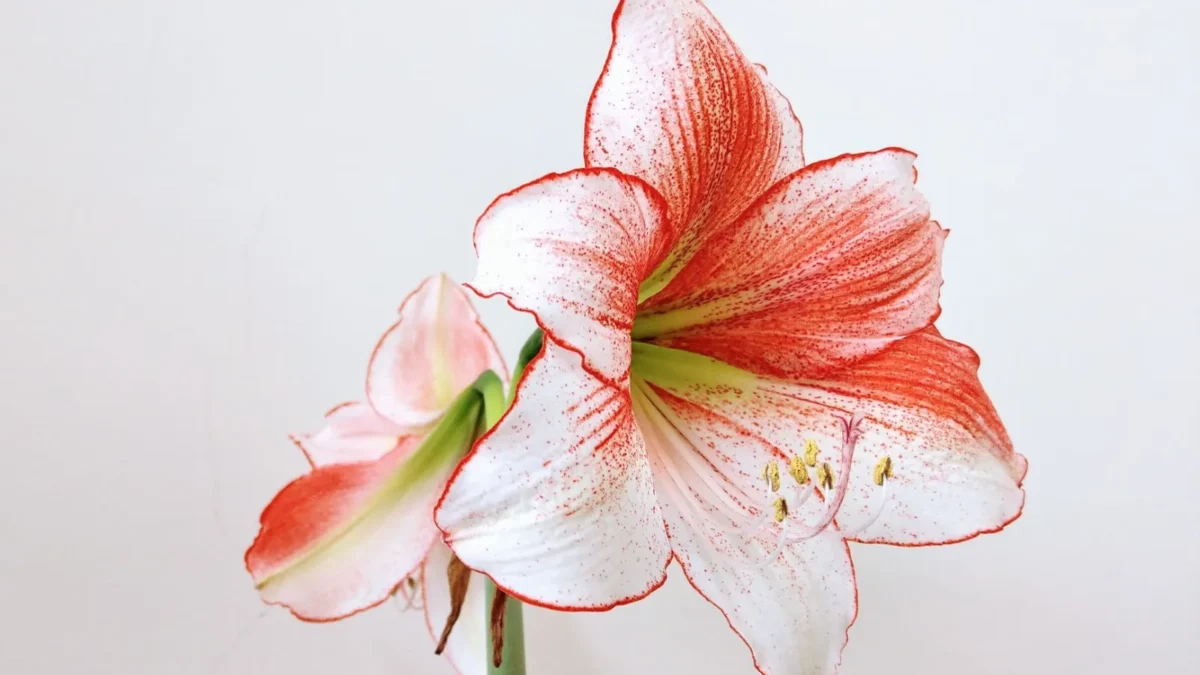
Quick answer: Yes, amaryllis is toxic to both cats and dogs. The bulb is the most toxic part, but all parts of the plant contain lycorine and other alkaloids that can cause serious illness if ingested.
| Botanical name | Hippeastrum |
|---|---|
| Light | Bright indirect light; some morning sun but not direct afternoon sun; bright light after flowering until mid-fall |
| Watering | Water when top inch of soil is dry during growing period; water sparingly until new leaves develop; avoid excess water i |
| Humidity | 40–60% preferred; average indoor humidity usually sufficient |
| Temperature | 70–75°F (21–24°C) during growing period; 55°F (13°C) September–November; around 50°F for fall dormancy; 15–18°C (60–65°F |
| Soil | Humusy, well-draining potting mix with perlite or coarse sand; peat-free John Innes No.2 or multipurpose |
| Feeding | Dilute balanced liquid fertilizer every 2 weeks during growth; high-potassium fertilization every 2–3 weeks after flower |
| Size | 1–2 feet tall, 0.75–1 foot spread; flowers 4–10 inches |
| Difficulty | moderate |
| Cats | ⚠️ toxic — Lycorine and alkaloids; vomiting, diarrhea, tremors, loss of appetite |
| Dogs | ⚠️ toxic — Lycorine and alkaloids; vomiting, diarrhea, tremors, loss of appetite |
Symptoms of Amaryllis Poisoning in Cats and Dogs
If your cat or dog chews on or swallows any part of an amaryllis plant, watch for these warning signs: vomiting, low energy, diarrhea, belly pain, drooling, loss of appetite, and tremors.
Symptoms can appear within hours of ingestion. If you suspect your pet has eaten amaryllis, seek veterinary care right away—don’t wait to see if symptoms develop on their own.
Why the Bulb Is Most Dangerous
While the entire amaryllis plant is toxic, lycorine and related alkaloids are concentrated in the bulb. This makes the dormant bulb particularly hazardous, especially when you’re repotting in autumn or storing bulbs between seasons.
Keep bulbs stored in a secure, pet-proof location where curious cats or dogs cannot dig them out or chew them. If you’re repotting or handling bulbs with pets in the room, do it when they’re safely confined elsewhere.
How to Keep Your Pets Safe
The safest approach is to place your amaryllis somewhere your pet cannot reach—a high shelf, locked cabinet, or separate room works well. If you have cats that jump or dig, or dogs that counter-surf, consider keeping amaryllis in a room with a secure door.
If accidental ingestion does happen, contact a veterinarian immediately or call the ASPCA Animal Poison Control Center on (888) 426-4435 in the US. In the UK, ring Animal PoisonLine on 01202 509 000.
FAQ
Is amaryllis as dangerous to cats as lilies?
Amaryllis is toxic to cats, but unlike true lilies, it is not linked to kidney failure. That said, ingestion still causes serious gastrointestinal symptoms and should be treated as a veterinary emergency.
Can a small amount of amaryllis hurt my pet?
Even small amounts can cause vomiting and other symptoms. The safest rule is to assume any exposure is a risk and contact a vet or poison control immediately.
Which part of the plant should I worry about most?
The bulb is by far the most toxic part, so store it carefully away from pets during dormancy and repotting.
Read the full guide: Amaryllis Care: The Complete Guide
More about Amaryllis
The same problem in other plants
- Is Coffee Plant Toxic to Cats and Dogs?
- Is Orange Bird of Paradise Toxic to Cats and Dogs?
- Is Baby Tears Safe for Cats and Dogs?
- Is Pencil Cactus Toxic to Dogs and Cats?
Sources
- Is Amaryllis Toxic to Cats and Dogs? Bulbs and Paperwhites
- Toxic and Non-toxic Plants: Fire Lily
- Amaryllis: planting the bulb, care and reblooming
Photo: TU HAN-WEI / Pexels, Pexels