Amaryllis Hippeastrum
How to Fix Brown Tips and Browning Leaves on Amaryllis
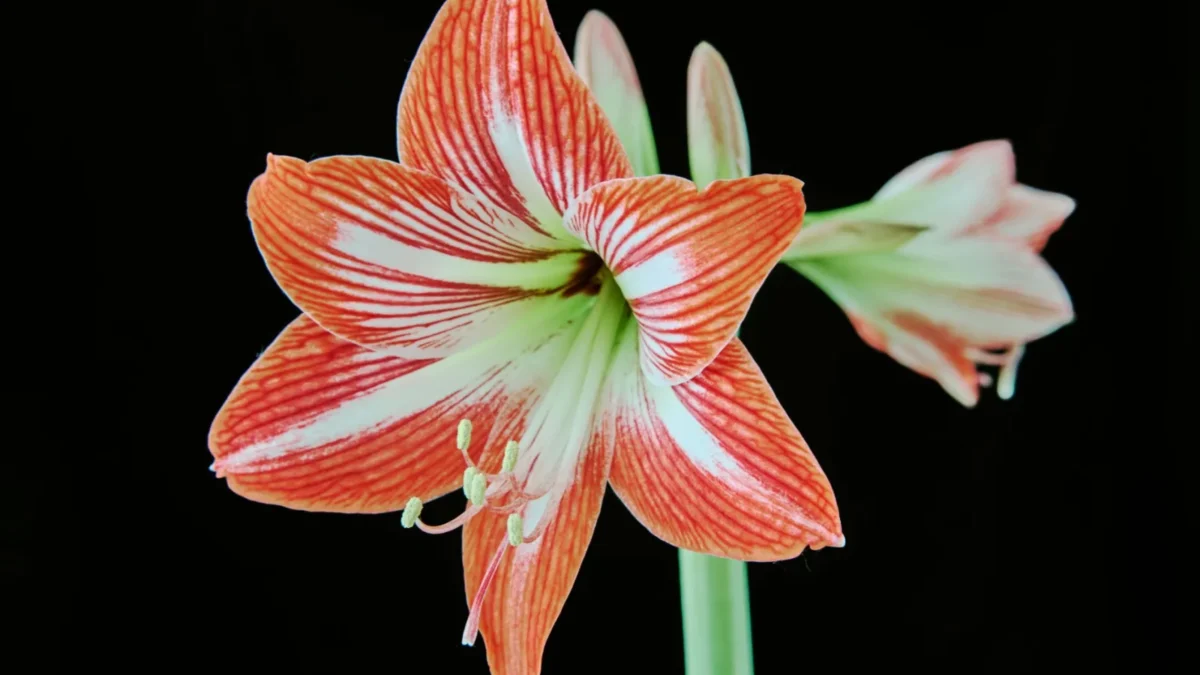
Quick answer: Brown tips on amaryllis usually mean low humidity or mineral buildup from tap water and fertilizer salts. Very dry air can brown the leaf tips slightly, while mineral-rich water causes salt accumulation that burns the leaf margins. In most homes, average indoor humidity is enough if your watering and drainage are sound.
| Botanical name | Hippeastrum |
|---|---|
| Light | Bright indirect light; some morning sun but not direct afternoon sun; bright light after flowering until mid-fall |
| Watering | Water when top inch of soil is dry during growing period; water sparingly until new leaves develop; avoid excess water i |
| Humidity | 40–60% preferred; average indoor humidity usually sufficient |
| Temperature | 70–75°F (21–24°C) during growing period; 55°F (13°C) September–November; around 50°F for fall dormancy; 15–18°C (60–65°F |
| Soil | Humusy, well-draining potting mix with perlite or coarse sand; peat-free John Innes No.2 or multipurpose |
| Feeding | Dilute balanced liquid fertilizer every 2 weeks during growth; high-potassium fertilization every 2–3 weeks after flower |
| Size | 1–2 feet tall, 0.75–1 foot spread; flowers 4–10 inches |
| Difficulty | moderate |
| Cats | ⚠️ toxic — Lycorine and alkaloids; vomiting, diarrhea, tremors, loss of appetite |
| Dogs | ⚠️ toxic — Lycorine and alkaloids; vomiting, diarrhea, tremors, loss of appetite |
Why Amaryllis Leaves Turn Brown at the Tips and Edges
Brown tips while the rest of the leaf stays green often result from low humidity or sudden temperature drops; adjust the surrounding conditions gently. The preferred humidity range is 40–60%, but average indoor humidity is usually sufficient as long as the plant’s watering and drainage are handled properly.
Mineral salt buildup is another common culprit. Regular use of synthetic fertilizers and mineral-rich tap water causes salt accumulation, which shows up as white surface deposits and brown leaf margin burn. This happens gradually as dissolved minerals concentrate in the soil with each watering.
Browning leaves can also signal overwatering. The most common cause of browning and other leaf problems on amaryllis is typically overwatering or poor drainage. Amaryllis bulbs don’t like to sit in soggy soil; they prefer to dry out a bit between waterings. During the growing season, water when the top inch of soil becomes dry, and avoid excess water collecting in the saucer.
What to Do About Brown Tips
If low humidity is the problem, you don’t necessarily need to increase it dramatically. Average indoor humidity usually suffices for amaryllis. However, if your air is very dry or you’ve noticed browning, slightly raising humidity can help. At the same time, ensure your watering technique is sound—water at the soil line only, never on the leaves.
For mineral salt buildup, switch to distilled or rainwater if your tap water is hard and mineral-rich. You can also leach the soil periodically by running water through it to flush out accumulated salts. Check your fertilizer schedule and dial it back—you’re applying a dilute, balanced liquid fertilizer every 2 weeks during growth. Excessive feeding accelerates salt buildup.
If overwatering is the issue, let the soil dry out more between waterings and ensure your pot has drainage holes. Check the drainage hole to make sure it isn’t blocked; if water is pooling, tilt the pot to drain any excess immediately. Use a well-draining potting mix with perlite or coarse sand to keep the root zone moist but airy rather than dense and waterlogged.
Remove the most damaged leaves. Trim damaged roots and yellow leaves by cutting off any soft brown roots with clean scissors. Leave half-brown leaves alone for now; the plant is still pulling nutrients from them.
Preventing Brown Tips Going Forward
Keep your amaryllis in bright indirect light with some morning sun, but avoid direct afternoon sun. Water carefully—only when the top inch of soil is dry—and never let water sit in the saucer. If your tap water is mineral-heavy, use filtered or distilled water. Stick to dilute, balanced fertilizer applied every 2 weeks, and improve airflow around the plant to prevent moisture from lingering on the leaves.
Read the full guide: Amaryllis Care: The Complete Guide
More about Amaryllis
The same problem in other plants
- ZZ Plant Leaves Turning Brown: Causes and Solutions
- Why Are My Coffee Plant Leaves Turning Brown and Crispy?
- Why Are My Baby Tears Leaves Turning Brown?
- Why Are My Bamboo Palm Leaves Turning Brown and Dry?